


 English
  русский
 Español
Industrial Storage Tank Custom
Home / Products
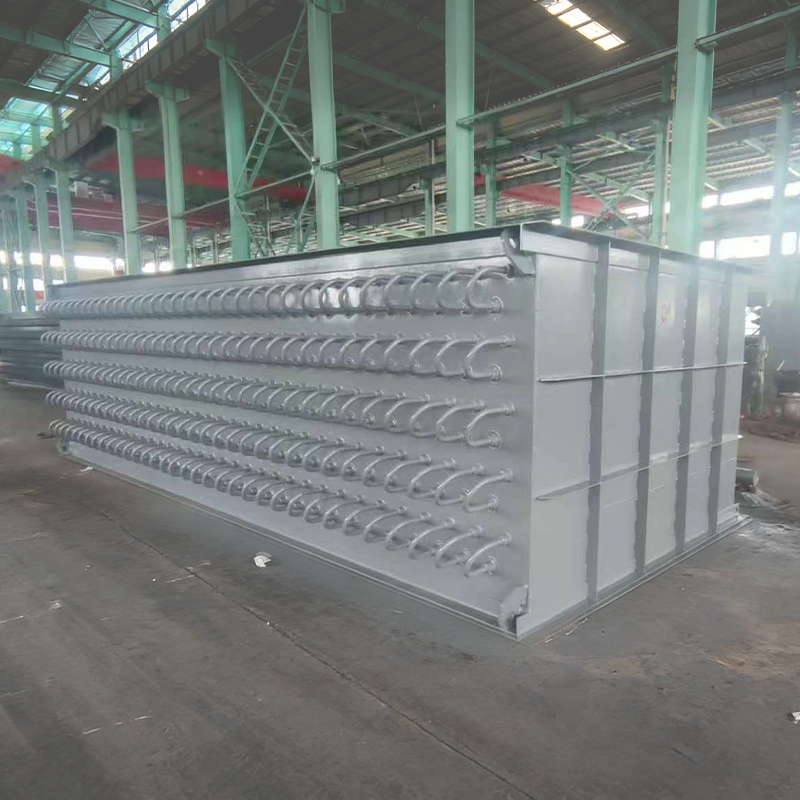
Nickel-based Brazed Economizers are advanced devices that significantly improve the economizer's corrosion resistance, wear resistance, ash accumulati...
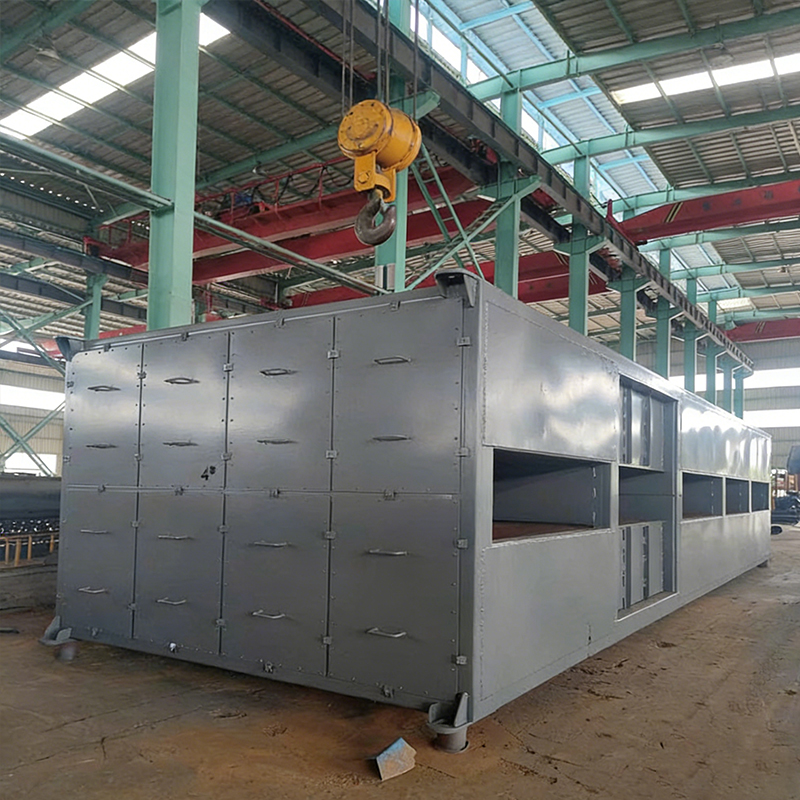
An air preheater is a heat exchanger installed in the flue gas duct at the boiler's tail end. It recovers waste heat from the flue gas to heat the com...
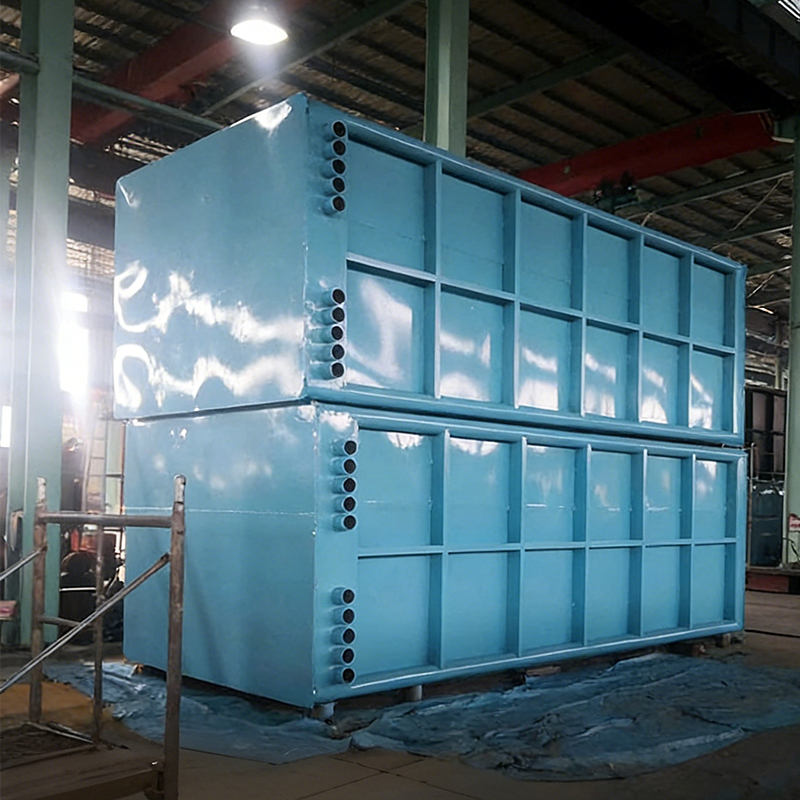
The Sintering Waste Heat Boiler on Main Flue Gas Duct is an energy-saving device installed in the main flue at the tail end of the sintering machine t...
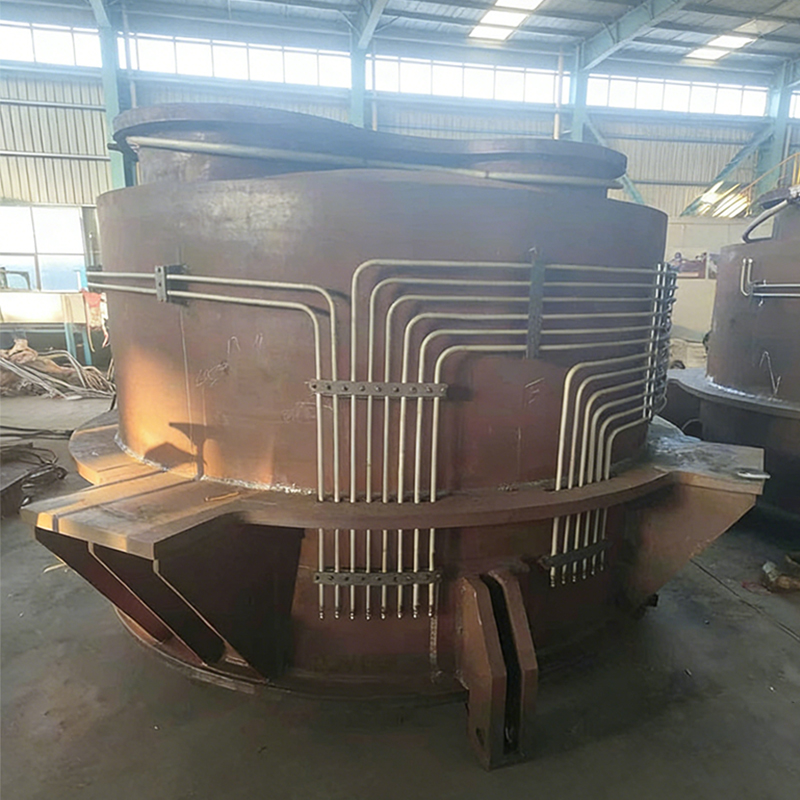
The Sinter Circular Cooler Waste Heat Boiler is a highly efficient and energy-saving device specifically designed for recovering waste heat from high-...
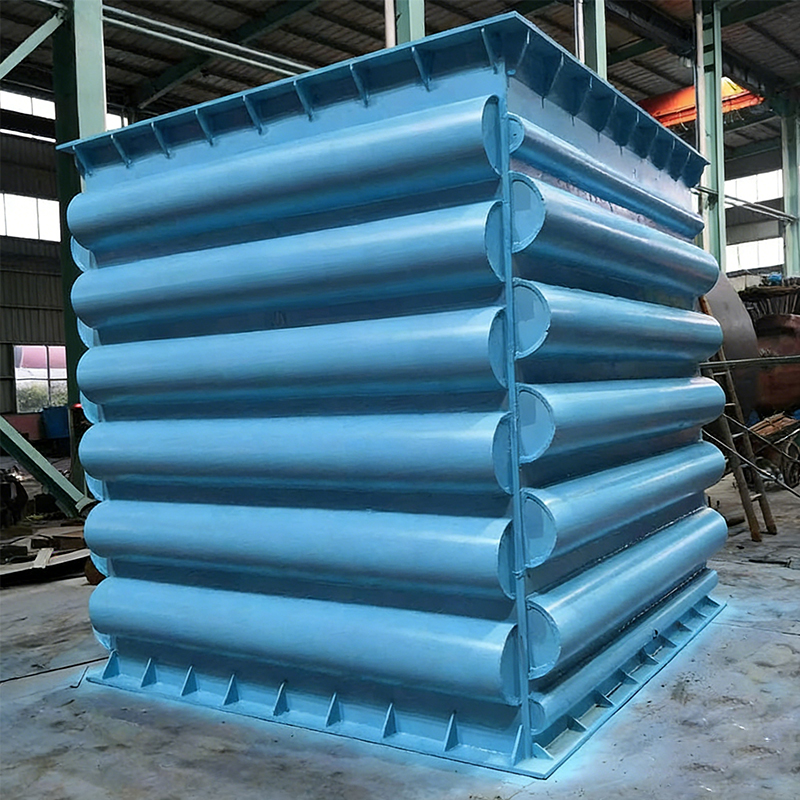
The Coke Oven Flue Gas Waste Heat Boiler is a high-efficiency, energy-saving device specifically developed for the coking industry. It aims to recover...
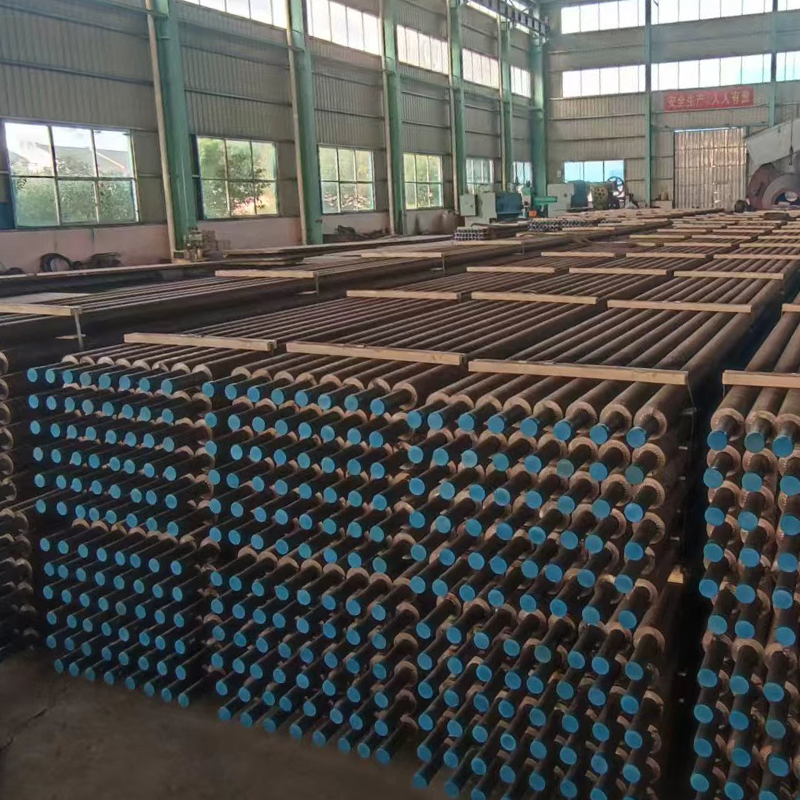
The Rotary Hearth Furnace Waste Heat Boiler is a high-efficiency and energy-saving device specifically designed for the recovery of waste heat from hi...
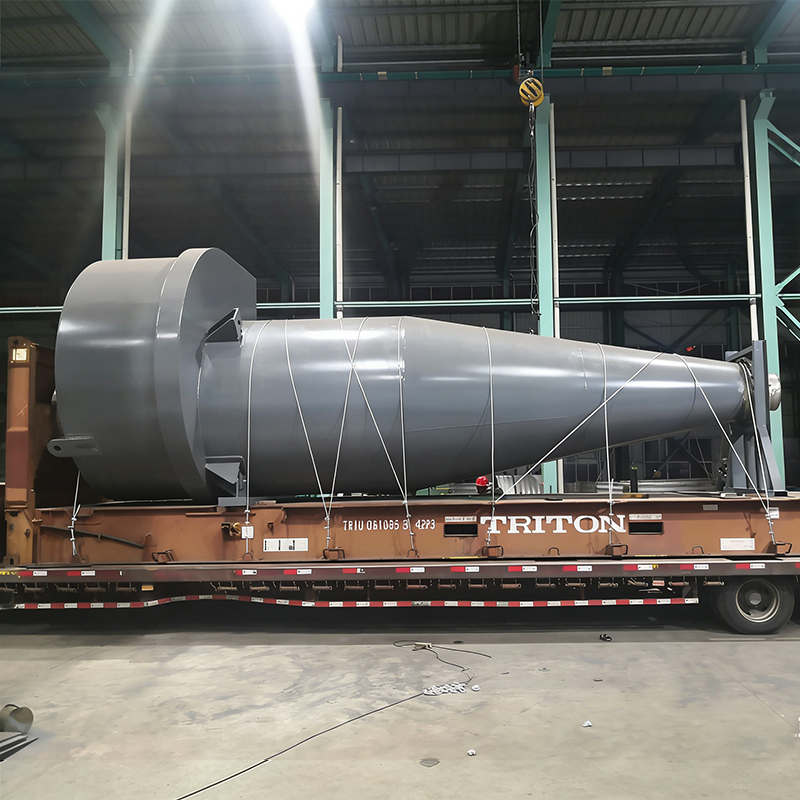
The Cyclone Dust Collector is a mechanical dust collection device that utilizes centrifugal force for gas-solid separation. When a dust-laden airflow ...
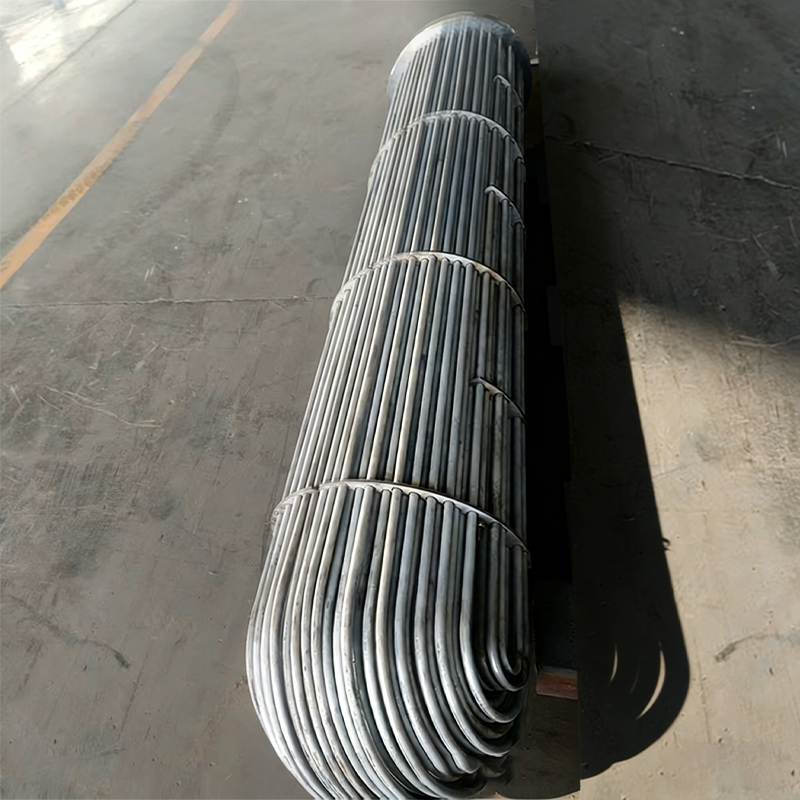
The Shell and Tube Heat Exchanger is a typical and universal industrial heat exchanger. Its core structure consists of a large shell (shell side) that...
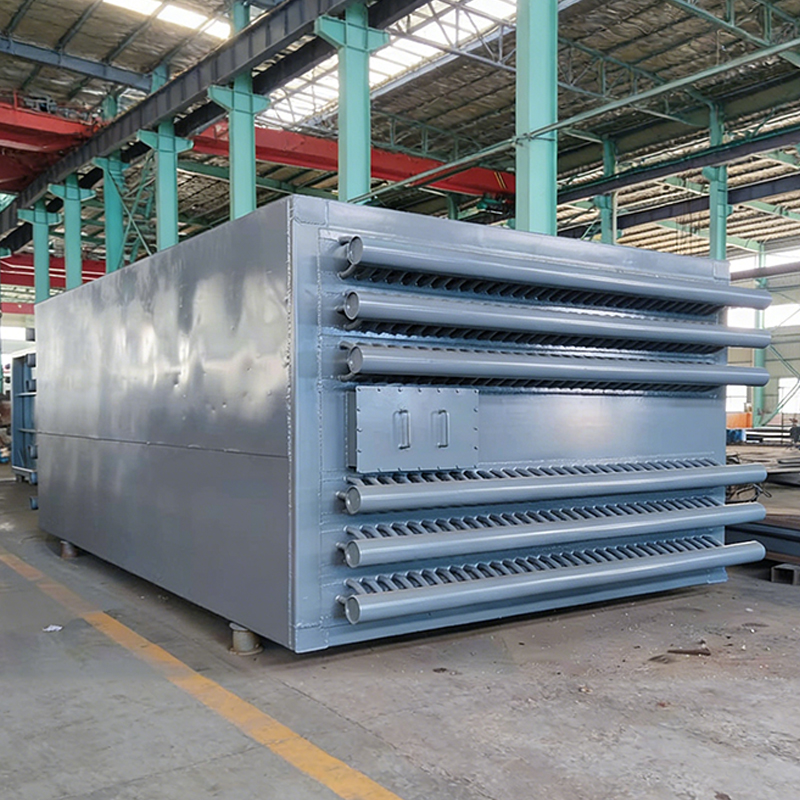
In the field of industrial process equipment, Storage Tanks and Columns are core unit devices for material storage and separation/purification. Unlike...
.jpg "Triple Interlinked Quick-Acting Gate Valve for Coke Oven Flue (opening time <1s)")
The Triple Interlinked Quick-Acting Gate Valve for Coke Oven Flue is specifically designed for the safe and efficient operation of coke oven flue gas ...
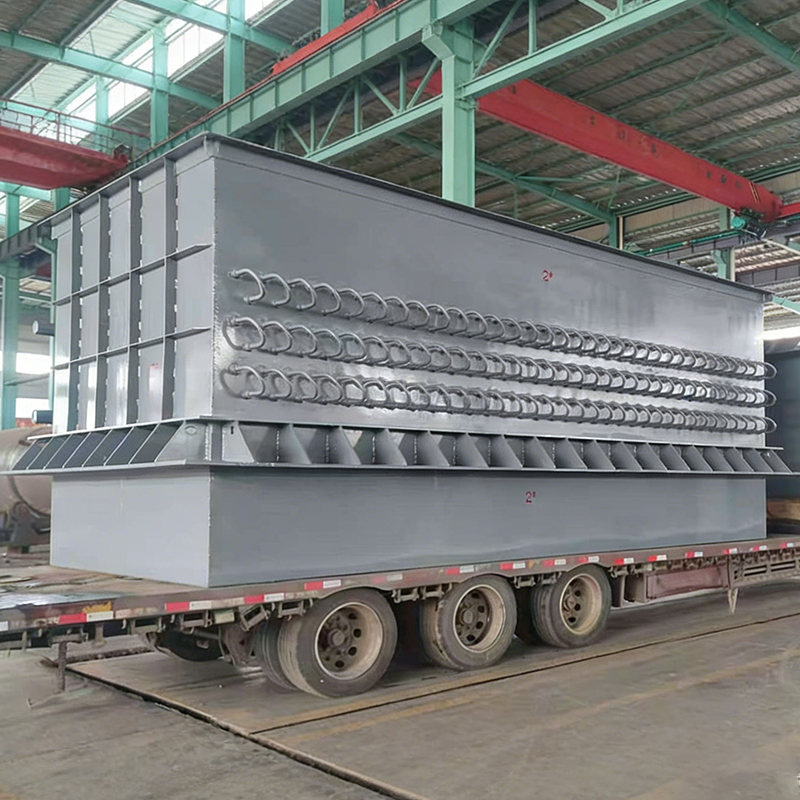
The Pre-RH Vacuum Furnace Regenerator is a key energy-saving device used in the RH refining process of steel smelting to recover and utilize the resid...
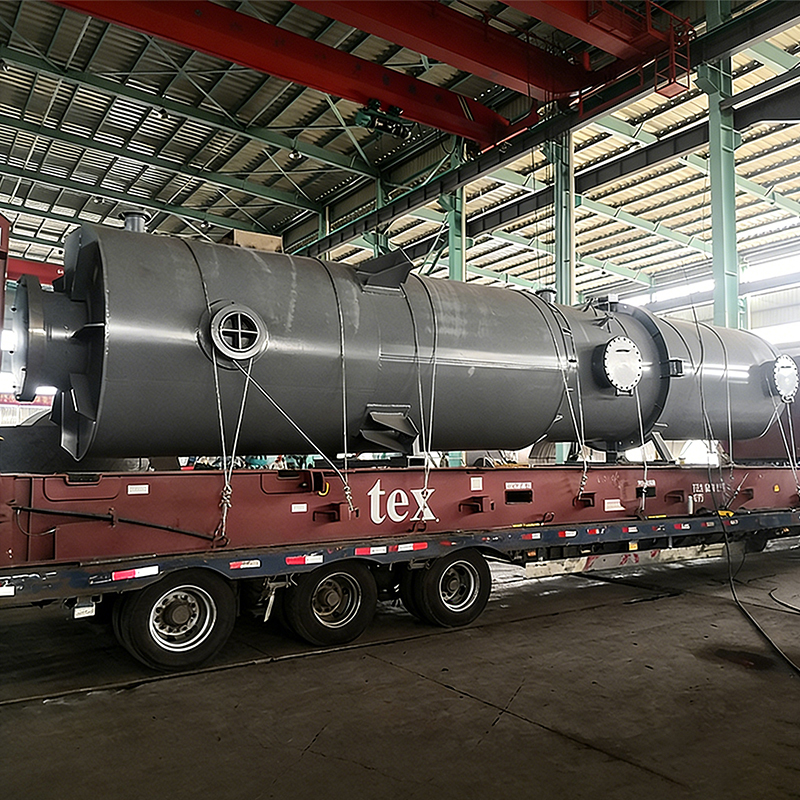
The Waste Heat Recovery Unit for High-Temperature Flue Gas from Oxygen-Blown Gasifier is a system specifically designed to recover the heat energy fro...
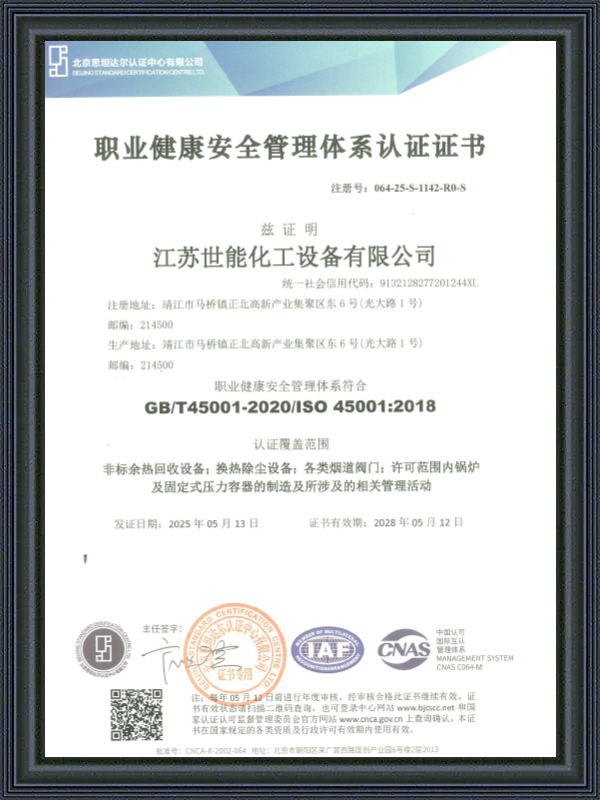
A puddle under the casing of an industrial boiler is rarely just a plumbing problem. On a 60 t/h coke oven flue gas waste heat boiler, water appearing along a casing seam usually points to one of three things: a failed tube-to-tubesheet we...
READ MOREBoiler Safety Relief Valve Leaking: The Short Answer Before the Details If a boiler safety relief valve is leaking, treat it as a defect on the pressure boundary, not as a housekeeping nuisance. The valve is the last mechanical barrier sta...
READ MOREWhy a Boiler PRV Leaks: The Conclusion First At three in the morning, a warm puddle spreads across the floor under a boiler that was running perfectly the day before. The natural reaction is to assume the valve has failed and order a repla...
READ MOREBoiler Preventive Maintenance Starts With the Cost of Doing Nothing Boiler preventive maintenance is the difference between a planned spring outage and a 2 a.m. phone call when your steam header drops pressure. A coal chemical plant in nor...
READ MOREAt 2:47 a.m., the night shift supervisor in a metallurgy plant gets an alarm: the waste heat boiler has tripped on low water. The crew resets the burner, refills the drum, and tries to restart, but the unit will not hold pressure. A boiler...
READ MOREA plant operator hears a sudden discharge from the steam drum relief line just after a waste heat boiler starts a cold morning run. Steam rolls out, the control panel shows pressure climbing toward the maximum allowable working pressure, a...
READ MOREA Metallurgy Waste Heat Boiler (Metallurgy WHB) is a high-efficiency heat exchange device designed to recover waste heat from high-temperature flue gas generated in metallurgical processes such as sintering, converters, electric furnaces, and flash smelting. These flue gases typically range from 800°C to 1100°C. The WHB transfers heat from the flue gas to water or an organic medium, producing saturated or superheated steam for power generation or plant heating. According to the Industrial Waste Heat Resource Utilization Guidelines, waste heat resources in the metallurgical industry account for approximately 15% to 30% of total energy consumption, and a waste heat boiler can effectively recover 45% to 65% of that thermal energy. Unlike conventional industrial boilers, metallurgy WHBs require special designs to resist corrosion, prevent ash accumulation, and compensate for thermal expansion.
The horizontal bar chart above shows the typical flue gas temperature range for four representative metallurgical processes. Flash furnace flue gas reaches up to 1050°C, while converters and electric arc furnaces also exceed 900°C, indicating substantial recoverable thermal potential. Recovering this heat not only reduces fuel consumption but also significantly lowers carbon emissions. According to industry test data, for every 100°C of sensible heat recovered, process energy consumption can be reduced by approximately 2.5%, making metallurgy WHBs economically very attractive.
As an efficient heat recovery boiler, the Metallurgy WHB typically adopts vertical or horizontal layouts equipped with a steam drum, deaerator, and ash hoppers. Because the flue gas contains high dust loads, online soot-blowing systems (such as sonic or shock wave soot blowers) are essential to prevent ash fouling. Leading pressure vessel manufacturers like Jiangsu Shineng Chemical Equipment Co., Ltd. have successfully developed Metallurgy Waste Heat Boiler series products suitable for high-dust environments.
Metallurgy WHB operates on indirect heat exchange and phase-change heat transfer. High-temperature flue gas flows sequentially through the superheater, evaporator, and economizer, cooling from 900°C down to around 180°C before being discharged. Feed water is preheated in the economizer and enters the steam drum, where it absorbs heat in the evaporator to generate saturated steam. The steam then passes through the superheater to produce superheated steam at 400°C~450°C and 3.82MPa~5.3MPa. According to the Industrial Boiler Thermal Performance Test Code, typical waste heat boiler thermal efficiency reaches 78%~86%, far higher than conventional gas-fired boilers. The line chart below illustrates the flue gas temperature drop along the boiler flow path.
The line chart clearly shows the flue gas temperature reduction path from inlet to outlet. The initial 900°C gas cools sharply to 620°C after the superheater, then to 350°C through the evaporator, and finally to approximately 180°C leaving the economizer. The total temperature drop is as high as 720°C, indicating that the WHB captures about 80% of the sensible heat. Based on the first law of thermodynamics, each ton of steam produced saves roughly 78 kg of standard coal equivalent. A single 150 t/h metallurgy WHB can save about 24,000 tons of coal equivalent annually, reducing CO₂ emissions by approximately 63,000 tons.
Jiangsu Shineng Chemical Equipment Co., Ltd., a professional China Industrial WHB and high pressure vessel factory, adopts nickel-based brazing technology for heat exchange tubes and headers, greatly enhancing high-temperature corrosion resistance. The company's self-developed Flue Gas WHB solves the challenges of fluctuating flue gas flow and high dust content in metallurgical plants, ensuring stable steam production. As a reliable chemical reactor manufacturers and storage tank manufacturers, Shineng supplies full-chain equipment from waste heat recovery to bulk chemical storage tanks for global clients.
Compared to conventional fuel-fired boilers, metallurgy waste heat boilers produce steam at zero fuel cost. The following table presents operational data from an actual 2-million-ton steel plant. With an efficient Heat Recovery System, the plant achieved additional power generation. The column chart below visually compares heat loss differences between conventional radiation and a system equipped with a WHB.
| Parameter | Without WHB | With Metallurgy WHB | Improvement |
|---|---|---|---|
| Exhaust gas temp (°C) | ~480 | 170 | 64.6% reduction |
| Steam production (t/h) | 0 | 38 | +38 t/h |
| Annual coal equivalent saved (10k tons) | - | 1.86 | ~49,000 tons CO₂ cut |
The column chart demonstrates that without a metallurgy waste heat boiler, heat carried away by flue gas accounts for more than 65% of total energy input. After installing a high-efficiency Metallurgy Waste Heat Boiler, heat loss plummets to around 21%. This means an additional 44% of heat is recovered for industrial steam or power generation. According to a 2023 report by the China Metallurgical Industry Energy Conservation Association, widespread adoption of WHBs could save the industry over 15 million tons of coal equivalent annually, representing tens of billions of yuan in economic benefits. Jiangsu Shineng's industrial pressure vessel solutions are designed for high-temperature and high-pressure conditions, significantly extending equipment service life.
The radar chart compares five core performance dimensions: thermal efficiency, corrosion resistance, ash fouling resistance, maintenance cost, and steam stability. The conventional design scores below 75 across all metrics, whereas the advanced structure from Jiangsu Shineng Chemical Equipment Co., Ltd. (including nickel-based brazing and online soot-blowing) achieves over 82 points in every category, with thermal efficiency exceeding 92%. This excellence stems from nearly 20 years of pressure vessel manufacturing experience and a tailored Flue Gas Waste Heat Recovery System, significantly increasing online operation rate and reliability. The company's bulk chemical tank and chemical storage tank suppliers divisions follow the same rigorous quality control systems.
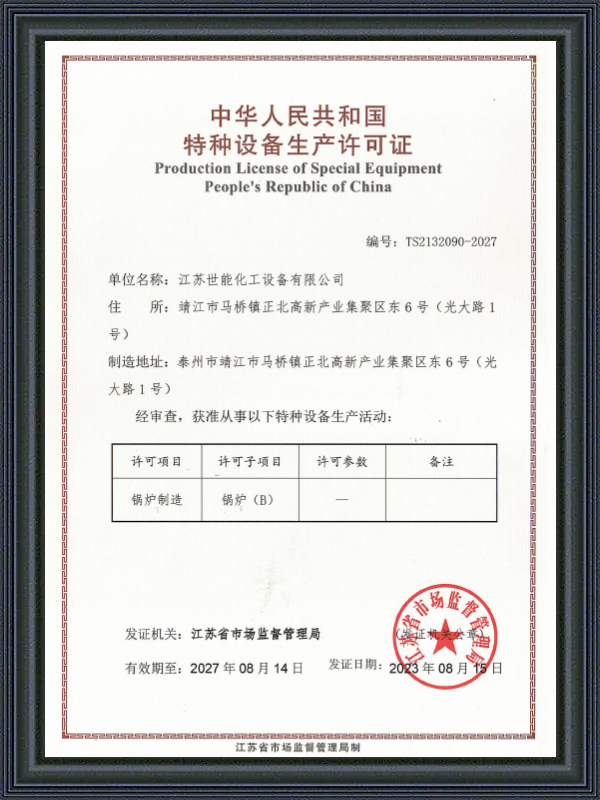
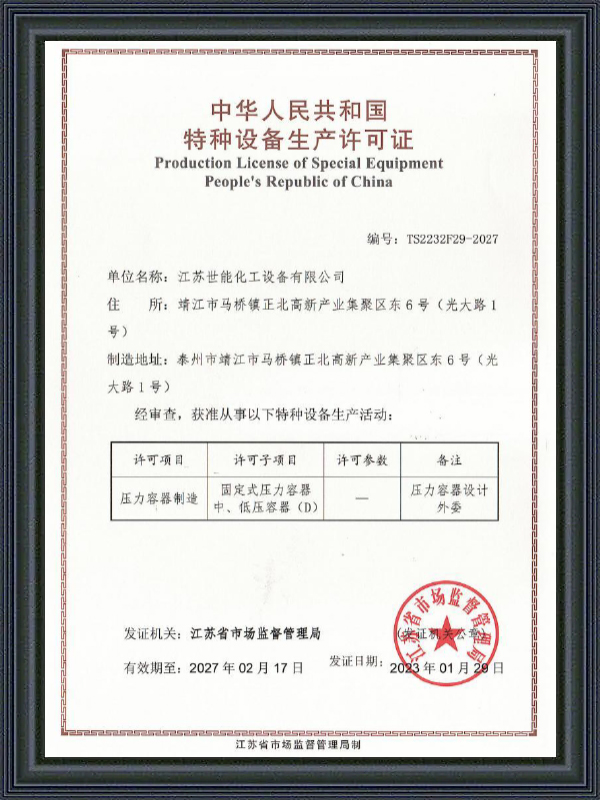
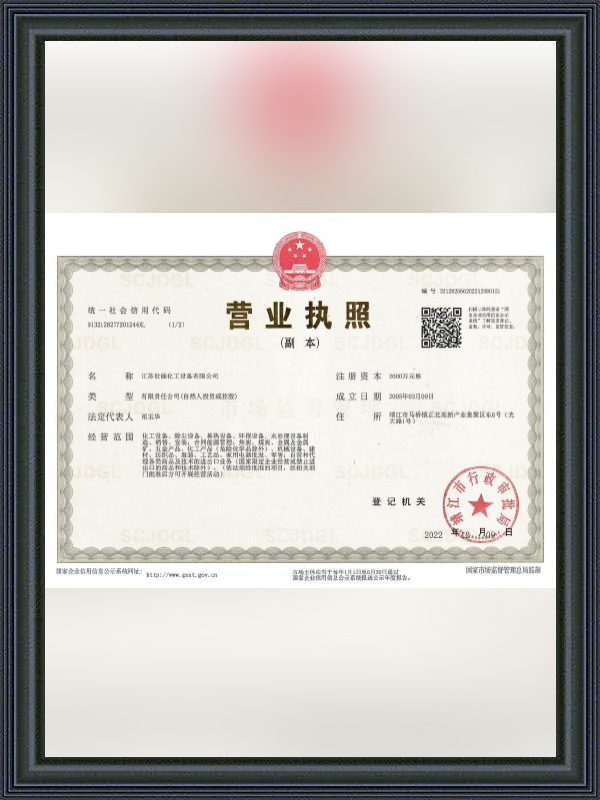
Company introduction: Jiangsu Shineng Chemical Equipment Co., Ltd. is a leading chemical storage tank suppliers and high pressure vessel factory in China. Founded in 2005, the company specializes in R&D and manufacturing of flue gas waste heat recovery systems and chemical equipment, possessing complete in-house capabilities from heat pipe development and nickel-based brazing to pressure vessel fabrication. Our products are widely used in coal chemical, metallurgy, power generation, and synthetic ammonia industries and have been exported to overseas markets. Shineng is also a renowned industrial chemical reactor and bulk chemical storage tanks manufacturer, providing safe and energy-efficient solutions for global industrial clients.
References: Metallurgical Industry Waste Heat Recovery Technical Specification YB/T 4259-2018; Industrial Boiler Thermal Performance Test Code GB/T 10180; and the China Metallurgical Society "Report on Metallurgical Solid Waste & Waste Heat Resource Utilization" 2023 edition.
We will help you move towards success.

Maqiao North High tech Industrial Agglomeration Zone, Jingjiang City, Taizhou City, Jiangsu Province

+86-18752676699 / +86-13961025664

