Home / Products / Sinter Circular Cooler Waste Heat Boiler
Sinter Circular Cooler Waste Heat Boiler
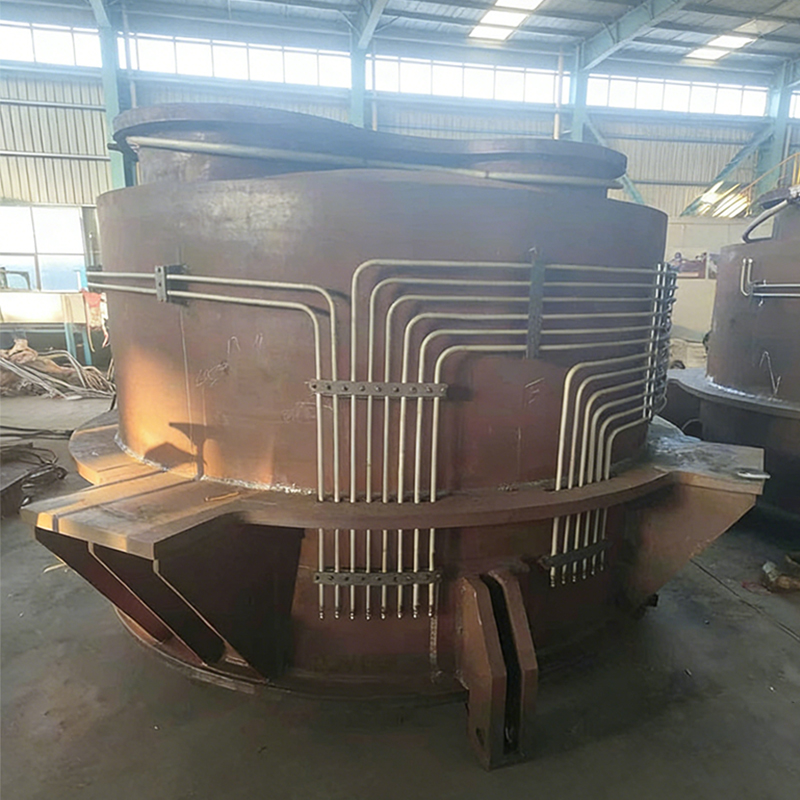
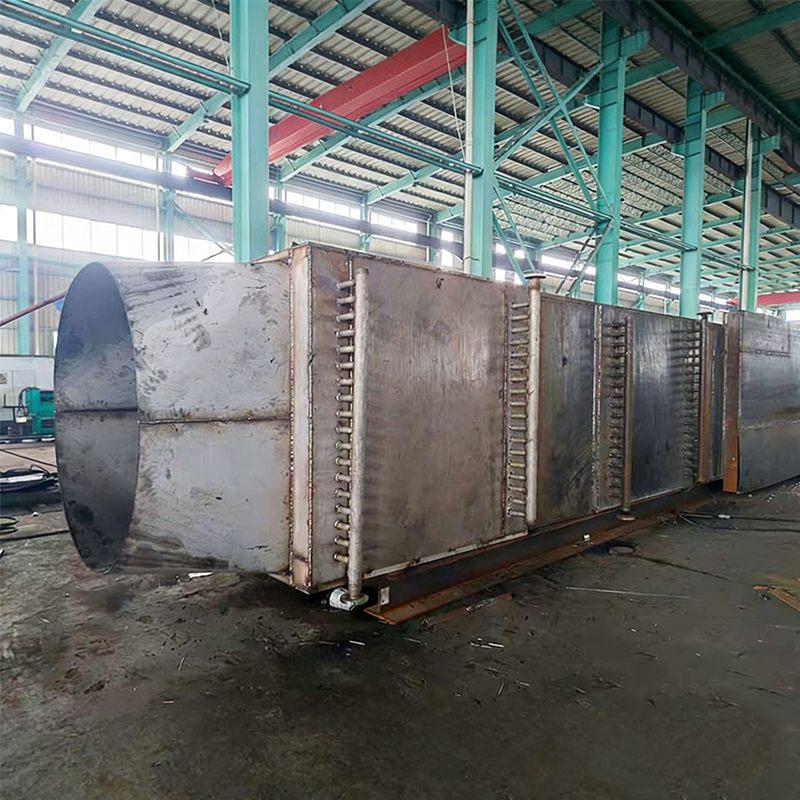
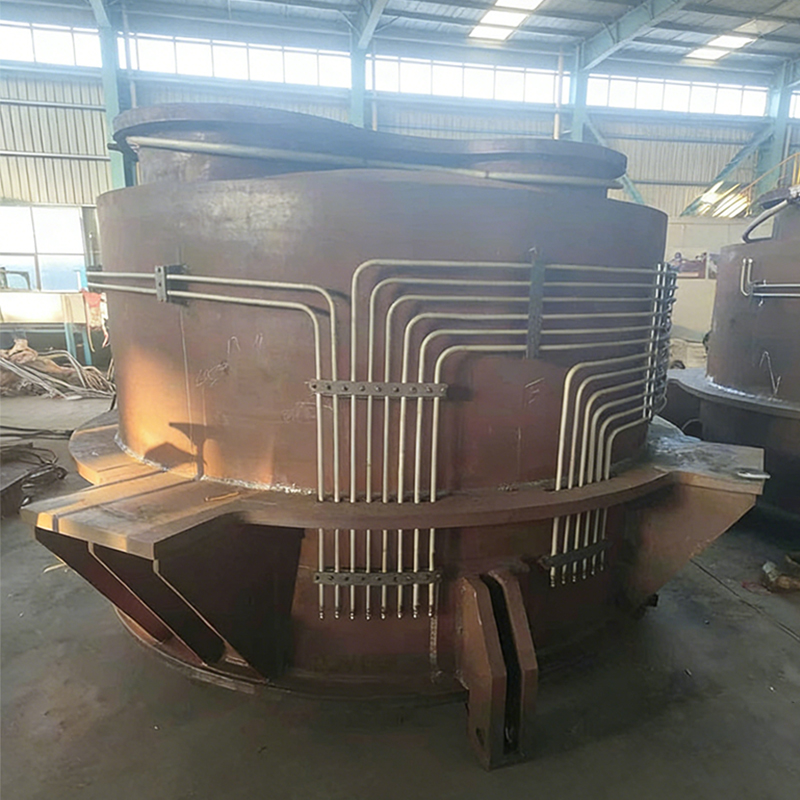
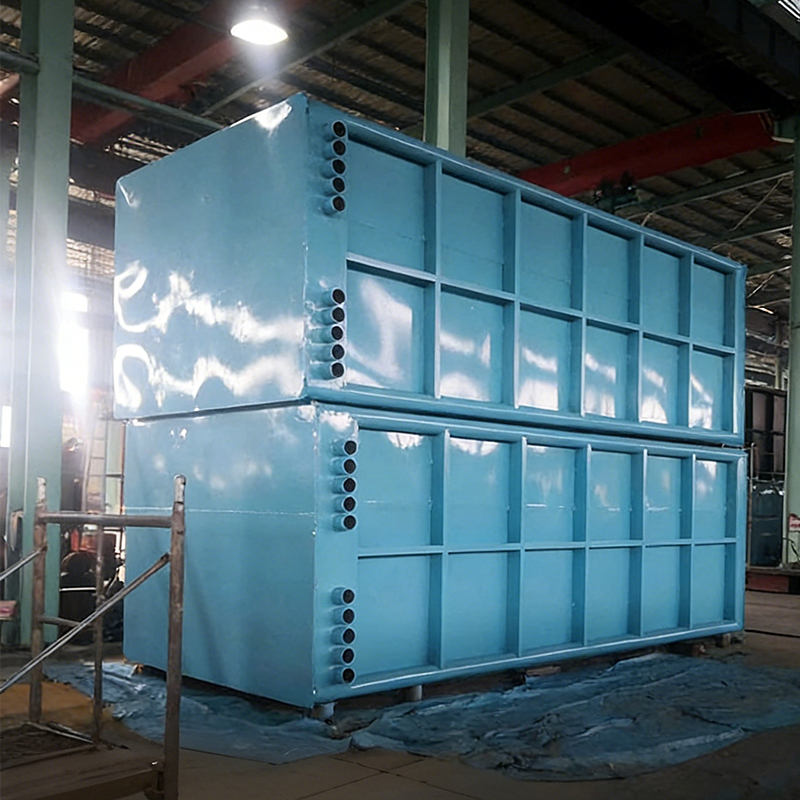
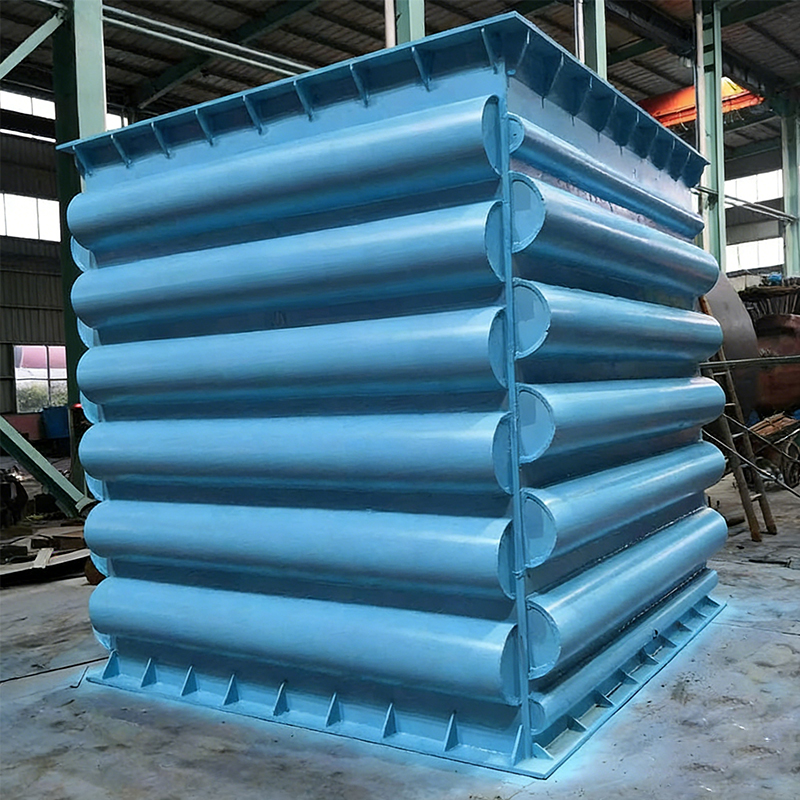
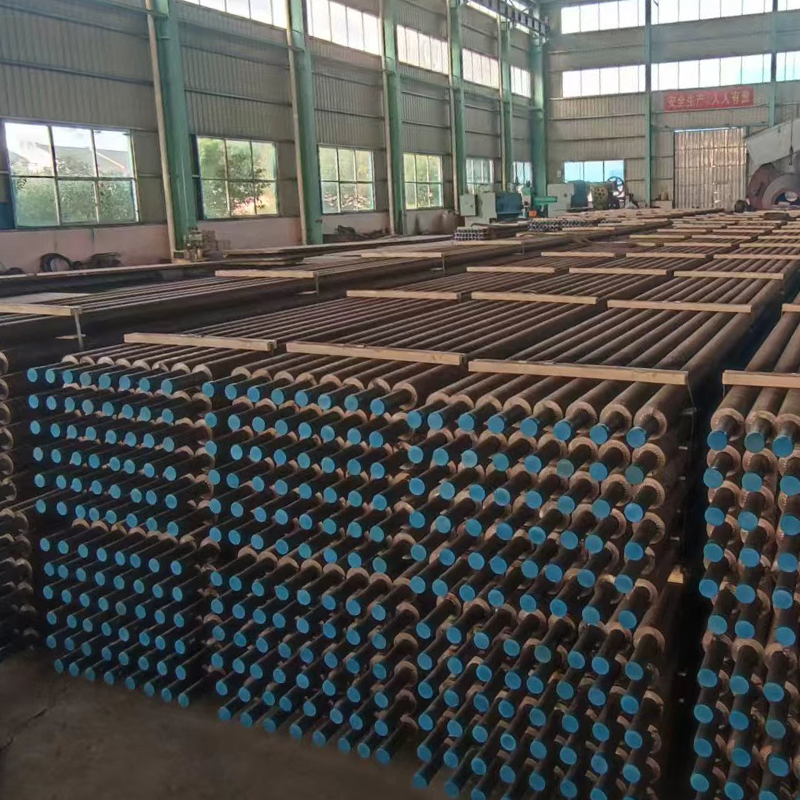
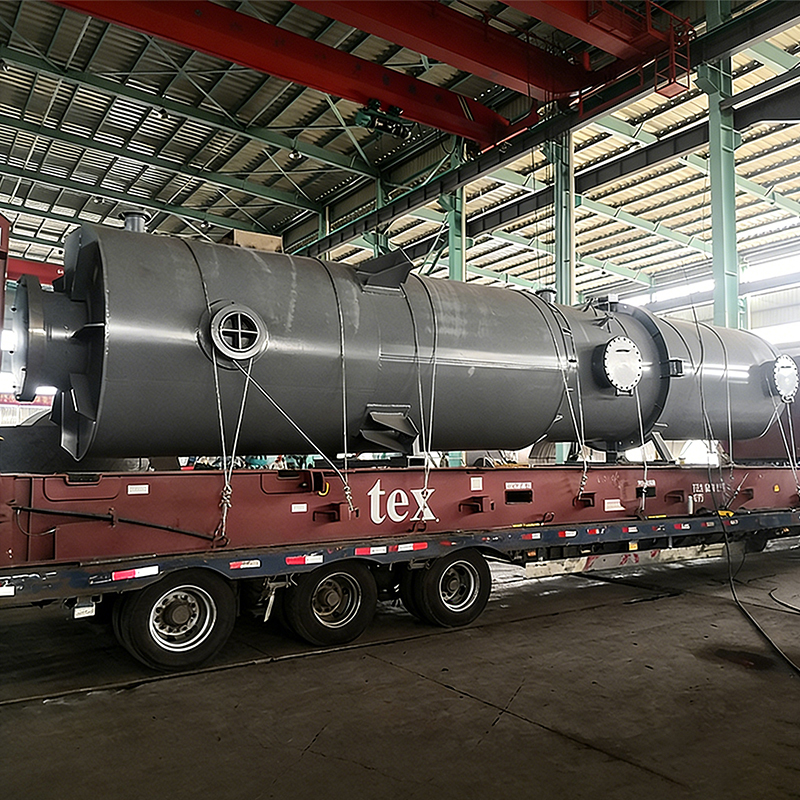
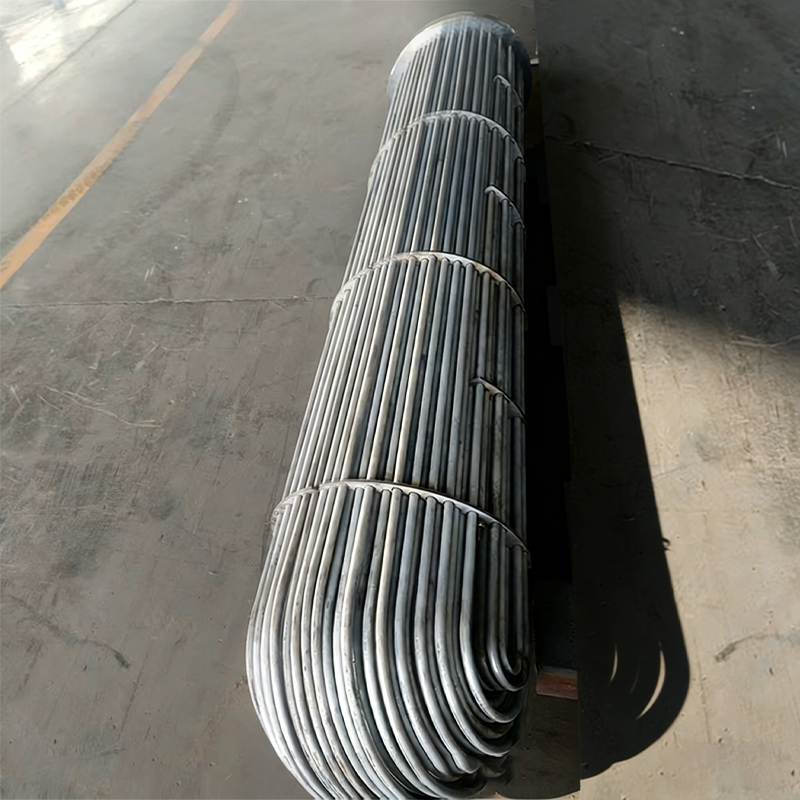
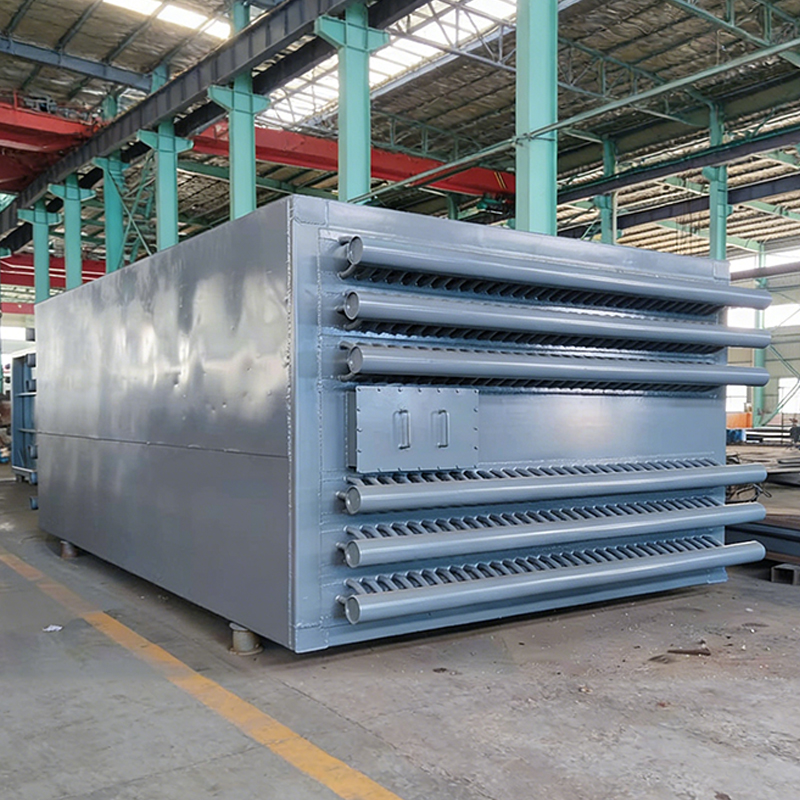
The Sinter Circular Cooler Waste Heat Boiler is a highly efficient and energy-saving device specifically designed for recovering waste heat from high-temperature exhaust gases generated during the sintering process in steel plants. It is typically installed in the high-temperature section (such as the first or second stage) of the sintering circular cooler. Through heat exchange elements such as spiral finned tube evaporators, it converts the heat from the approximately 400°C high-temperature exhaust gases generated during the sintering cooling process into steam. This steam can be used for power generation, industrial heating, or to replace coal-fired boilers, thereby significantly reducing energy consumption and emissions of pollutants such as carbon dioxide in the sintering process. This technology, through hot air circulation and automated control, achieves cascaded utilization of waste heat, not only improving heat transfer efficiency and hydrodynamic stability but also solving the dust pollution problem in the circular cooler area, thus combining economic and environmental benefits.
Key Features: Circular Cooling Design: The circular layout, synchronized with the material's movement direction, ensures uniform and sufficient cooling of the sintered ore, thereby improving overall heat exchange efficiency and avoiding localized overcooling or overheating. High-Temperature Resistant Materials and Structure: Key boiler components, such as the evaporator tube bundle, are manufactured using special materials that are high-temperature resistant, wear-resistant, and corrosion-resistant. This ensures the boiler can withstand the harsh conditions of sintering exhaust gases, guaranteeing its long-term durability in high-temperature, high-dust environments. Intelligent Control System: Equipped with an advanced automated monitoring system, the boiler can adjust airflow, water circulation, and steam parameters in real time, ensuring optimal operation under various loads and achieving safe, efficient, and unattended operation. Modular and Compact Design: The compact structure allows for flexible configuration based on site conditions and heat load requirements, facilitating installation and subsequent maintenance. It is also easily integrated into existing or newly built sintering production lines.
Main Applications: Process Heat Recovery: The generated steam can be directly used in the plant's production processes, such as for heating, warming, or as a power source for other equipment, achieving self-sufficiency in energy production. Grid-Connected Power Generation: The generated medium- and high-pressure steam drives a steam turbine generator set. The generated electricity can supply equipment within the plant, and surplus electricity can be fed into the grid, creating additional revenue. Sintering Process Support: This equipment is an indispensable supporting system for the sintering ring cooler. Its efficient operation directly improves the energy utilization efficiency and environmental friendliness of the main process. Industrial Energy-Saving System Integration: As a key component of the comprehensive energy management system for steel enterprises, it works in conjunction with waste heat power generation, dust removal and desulfurization systems to jointly build a green, low-cost modern steel manufacturing plant.
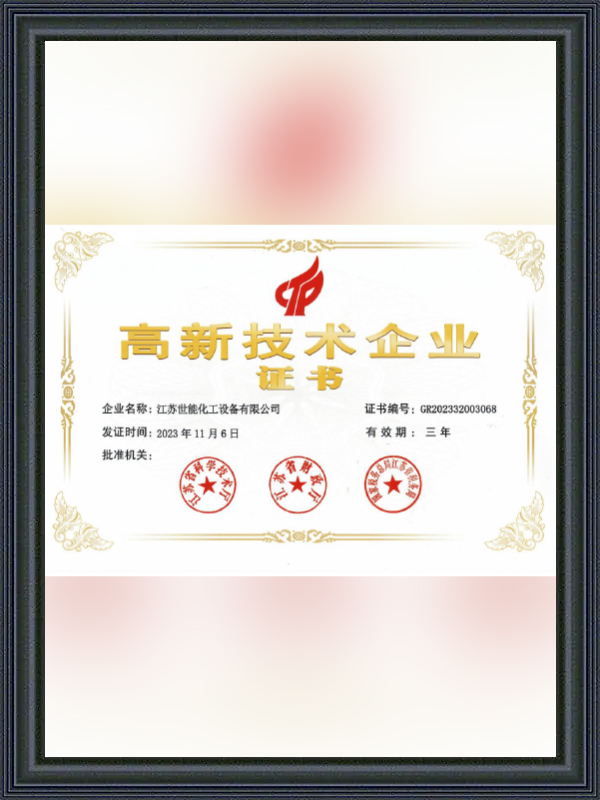
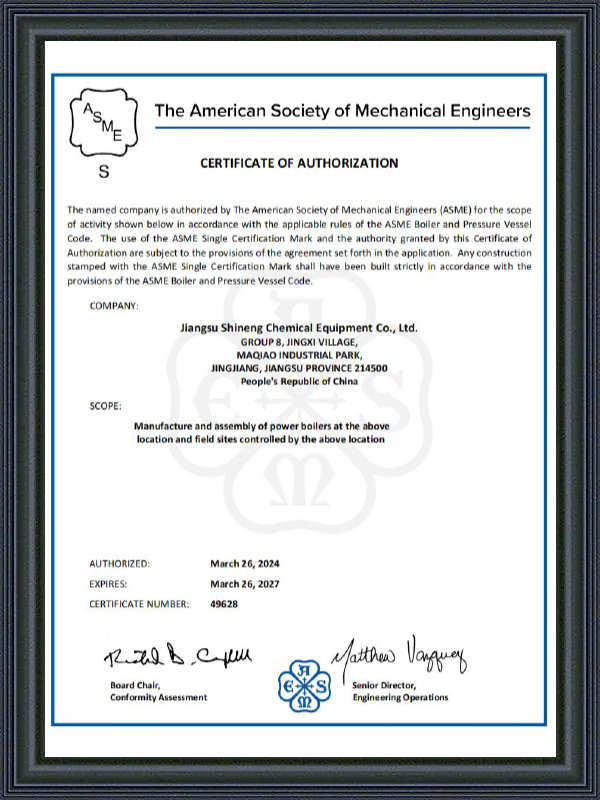
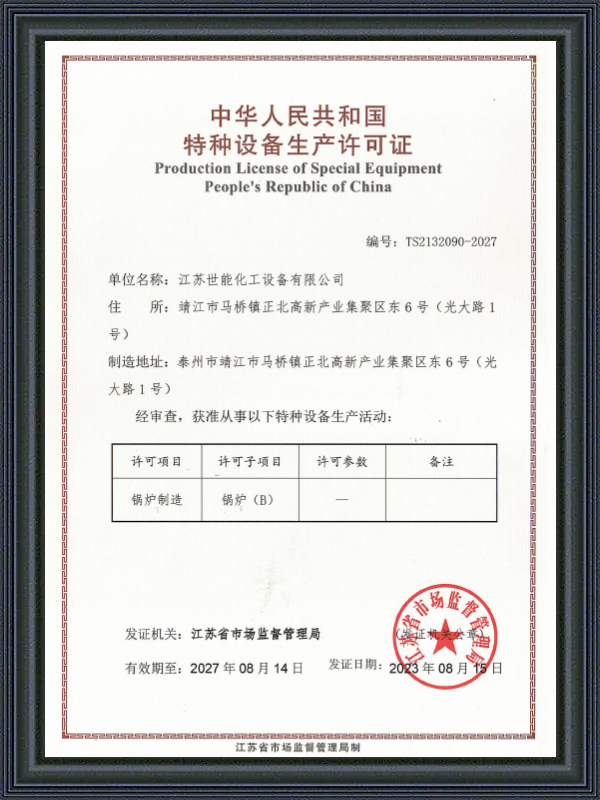
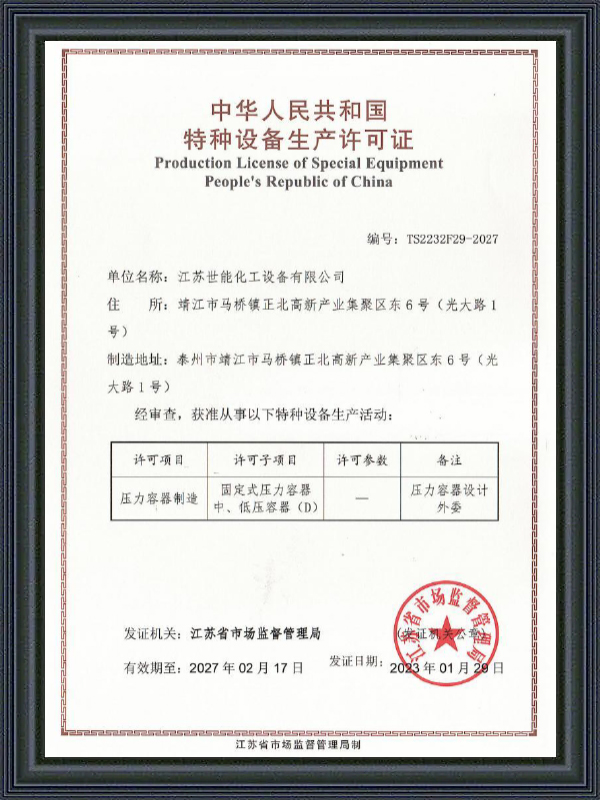
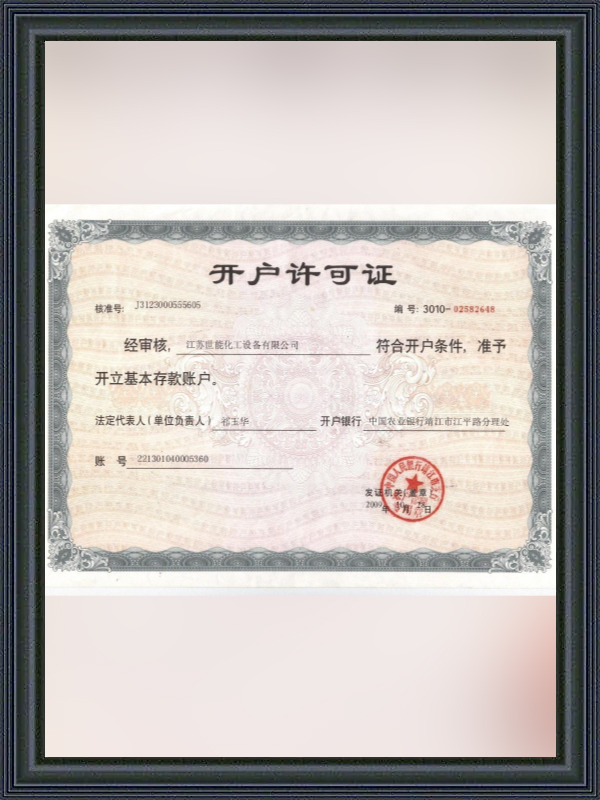
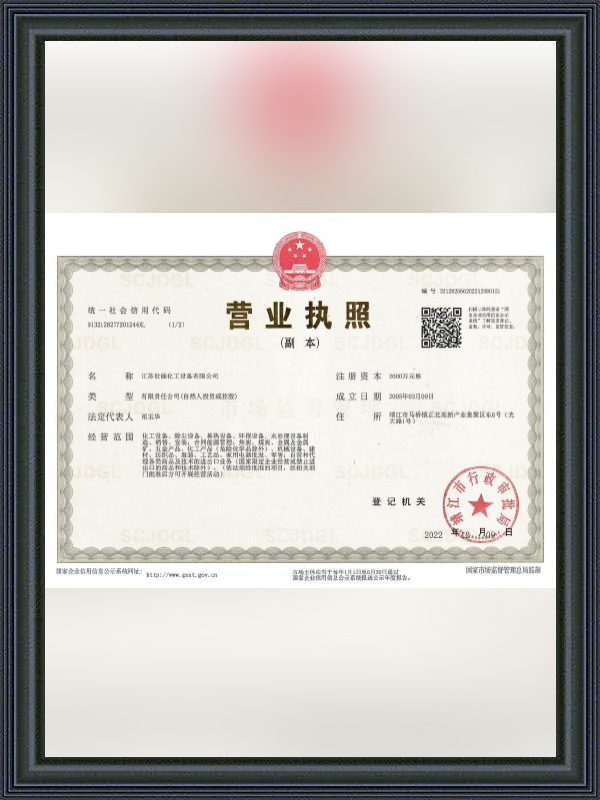
As China sinter circular cooler whb manufacturer and sinter cooler whb supplier, Jiangsu Shineng Chemical Equipment Co., Ltd, founded in 2005, the company specializes in the R&D and manufacturing of flue gas waste heat recovery systems and chemical equipment, possessing comprehensive in-house capabilities spanning from heat pipe development and nickel-based brazing to pressure vessel fabrication. Our products are widely used in coal chemical, metallurgy, power generation, and synthetic ammonia industries, and have been exported to overseas markets.
A puddle under the casing of an industrial boiler is rarely just a plumbing problem. On a 60 t/h coke oven flue gas waste heat boiler, water appearing along a casing seam usually points to one of three things: a failed tube-to-tubesheet weld, a thinned economizer tube, or a weeping handhole gasket....
Boiler Safety Relief Valve Leaking: The Short Answer Before the Details
If a boiler safety relief valve is leaking, treat it as a defect on the pressure boundary, not as a housekeeping nuisance. The valve is the last mechanical barrier standing between a pressurised drum and an overpressure event, ...
Why a Boiler PRV Leaks: The Conclusion First
At three in the morning, a warm puddle spreads across the floor under a boiler that was running perfectly the day before. The natural reaction is to assume the valve has failed and order a replacement. That reaction is usually wrong. A boiler PRV leaking...
A Sinter Circular Cooler WHB is a specialized waste heat recovery boiler designed to capture thermal energy from high-temperature exhaust gases generated by the circular sinter cooler in steel plants. The sinter circular cooler discharges hot sinter at 600–800°C, and cooling air drawn through the sinter bed exits at 350°C to 450°C. This hot gas, instead of being released to the atmosphere, is directed to the WHB where it generates steam for power generation or process heating. According to the China Metallurgical Industry Energy Conservation Report 2023, a typical 360 m² circular cooler waste heat recovery system can capture 40-55% of the available thermal energy, producing 45-70 t/h of steam. This translates to an annual power generation of 45,000-70,000 MWh and a reduction in CO₂ emissions of 35,000-55,000 tons per year. The Sinter Cooler WHB is thus an essential component for sustainable steel production.
Figure 1: Waste Heat Recovery Potential by Circular Cooler Stage
The horizontal bar chart shows the waste heat recovery potential from different temperature stages of a circular sinter cooler. Stage 1 (380-450°C) provides the highest recoverable heat at 0.62 GJ per ton of sinter, followed by Stage 2 (300-380°C) at 0.48 GJ/t. By recovering heat from both Stage 1 and Stage 2, a total of 1.10 GJ per ton of sinter can be captured, representing approximately 52% of the total waste heat available. For a steel plant producing 4 million tons of sinter annually, this recovery yields about 4.4 million GJ of thermal energy, equivalent to saving 150,000 tons of coal equivalent per year. Stage 3 heat (below 300°C) is typically not recovered due to economic constraints, but advanced Sinter Circular Cooler WHB designs can sometimes utilize lower-grade heat for preheating boiler feedwater, further improving overall efficiency by 5-8%.
As a leading China Sinter Circular Cooler WHB and Sinter Cooler WHB Supplier, Jiangsu Shineng Chemical Equipment Co., Ltd. designs circular cooler waste heat recovery systems using spiral finned tube evaporators. Their Circular Cooler WHB solutions incorporate high-temperature resistant alloy materials and automated soot-blowing systems to handle dust-laden exhaust gases.
2. How Does a Sinter Circular Cooler WHB Work?
A Sinter Cooler Waste Heat Boiler operates by directing hot exhaust air from the circular cooler through a series of heat exchange modules. The system typically includes an evaporator (spiral finned tube bundle), a steam drum, and optional superheater and economizer sections. Hot gas at 380-450°C flows across the finned tubes, transferring heat to water/steam circulating inside. The steam generated (at 2.5-5.3 MPa, 350-450°C) is then used for power generation or plant heating. The Circular Cooler Waste Heat Recovery system includes a dust settling chamber and pulse soot blowers to maintain heat transfer surfaces clean. The line chart below illustrates the typical temperature profile of hot air as it passes through the WHB.
Figure 2: Hot Air Temperature Reduction in Circular Cooler WHB
The line chart demonstrates the temperature reduction of circular cooler exhaust air as it flows through the WHB. Inlet air at 420°C passes through the superheater (420→340°C), then the evaporator (340→220°C), and finally the economizer (220→155°C). The total temperature drop of 265°C corresponds to a heat recovery efficiency of 72-78% for a well-designed system. For a typical 400 m² circular cooler with an air flow of 500,000 Nm³/h, this recovery yields approximately 55 t/h of superheated steam at 3.8 MPa and 410°C. The steam can drive a 9 MW turbine generator, producing about 72,000 MWh annually. This reduces the steel plant's purchased electricity by 18-25% and cuts CO₂ emissions by roughly 45,000 tons per year. Additionally, the lower exhaust temperature (below 160°C) allows for safe and efficient downstream dust collection.
Jiangsu Shineng's Steel Plant WHB designs feature modular, compact layouts that match the circular cooler's configuration. Their Sinter Waste Heat Recovery systems include intelligent control systems that adjust airflow and water circulation in real time, ensuring optimal performance under varying sinter production rates.
3. Performance Advantages and Technology Comparison
A Sinter Circular Cooler WHB offers significant advantages over conventional waste heat disposal methods. The table below compares key performance indicators before and after installing a circular cooler WHB on a 450 m² sinter plant.
Table: Performance improvement with Sinter Circular Cooler WHB (450 m² sinter machine case)
Parameter
Before WHB
After WHB Install
Change
Sinter energy consumption (GJ/t)
2.38
1.92
-19.3%
Steam generation (t/h)
0
62
+62 t/h
Power generation (MW)
0
10.5
+10.5 MW
CO₂ reduction (tons/year)
baseline
52,000
per year
Figure 3: Steam Generation Capacity by Circular Cooler Area
The column chart shows the steam generation capacity from circular cooler waste heat recovery based on cooler area. A 200 m² circular cooler produces about 28 t/h of steam, while a large 600 m² unit can generate up to 92 t/h. For every 100 m² of circular cooler area, approximately 15-16 t/h of steam can be recovered at 3.8 MPa pressure. This steam can either be used directly in the steel plant's processes (e.g., for desulfurization, heating) or sent to a steam turbine for power generation. A 450 m² cooler WHB typically generates enough steam to produce 10-12 MW of electricity, covering 30-40% of the sintering plant's power demand. The Sinter Cooler Heat Recovery System also reduces the thermal load on downstream dust collection equipment, extending baghouse life by 20-30%. Furthermore, the recovered steam can replace coal-fired auxiliary boilers, eliminating 100,000-150,000 tons of CO₂ emissions per year for a large steel mill.
Figure 4: Performance Radar — Standard vs. Advanced Circular Cooler WHB
The radar chart compares a conventional circular cooler waste heat recovery design with the advanced solution from Jiangsu Shineng. Conventional designs score around 60-68 in key areas such as heat recovery efficiency and dust fouling resistance. Shineng's Circular Cooler Waste Heat Recovery Boiler achieves scores above 90 across all metrics, with dust fouling resistance at 94 due to optimized spiral fin spacing and automated pulse soot-blowing systems. The advanced design improves heat recovery efficiency by 20-25% compared to conventional units, directly translating into 15-20% more steam generation. The use of high-temperature resistant alloy materials (310S stainless steel) ensures durability in the 400-450°C exhaust gas environment. As a Sinter Circular Cooler WHB Manufacturer with nearly two decades of experience, Jiangsu Shineng provides Custom Sinter Cooler WHB solutions that integrate seamlessly with existing circular coolers, achieving 96% online availability and 8-12% higher thermal output than industry averages.
4. Frequently Asked Questions (Q&A)
Q1: What is the typical payback period for a Sinter Circular Cooler WHB in a steel plant? Based on actual projects in China and India, the payback period for a Sinter Circular Cooler WHB ranges from 18 to 30 months, depending on local electricity prices and the cooler's operating hours. For a 360 m² circular cooler producing 8-10 MW of power, annual energy savings can reach USD 2.5-3.5 million, with capital costs recovered within 2 years.
Q2: How does the WHB handle dust entrained in the circular cooler exhaust air? Modern Sinter Cooler Heat Recovery System designs include a multi-cyclone dust pre-separator followed by an electrostatic precipitator or bag filter downstream of the WHB. Additionally, the boiler itself is equipped with online pulse soot blowers that clean the finned tube bundles every 4-6 hours. Jiangsu Shineng's Sinter Cooler WHB Supplier solutions achieve less than 2% efficiency loss over a 6-month operating campaign, even with dust loads up to 12 g/Nm³.
Q3: Can the system be retrofitted to an existing circular cooler without major downtime? Yes. As a Metallurgical WHB Manufacturer, Jiangsu Shineng specializes in modular retrofits. The installation typically requires 15-20 days of planned shutdown for ductwork connection, with the WHB prefabricated and assembled on-site. Most of the system is installed while the cooler remains operational, with only final tie-ins requiring a brief outage. The Energy Saving WHB for Steel Mills can be integrated without altering the core sintering process.
Q4: What steam parameters are achievable from a circular cooler WHB? Typical Waste Heat Recovery Boiler for Steel Plant designs produce steam at 2.5-5.3 MPa and 350-450°C. For larger circular coolers (above 500 m²), superheated steam at 9.8 MPa and 540°C can be generated, enabling high-efficiency condensing turbine power generation. Jiangsu Shineng's Industrial WHB Supplier offering includes both medium-pressure and high-pressure configurations, with selections based on the cooler's inlet gas temperature and the plant's specific requirements.
Company introduction: Jiangsu Shineng Chemical Equipment Co., Ltd. As a China flue gas recovery unit manufacturer and waste heat recovery system company, Jiangsu Shineng Chemical Equipment Co., Ltd, founded in 2005, specializes in the R&D and manufacturing of flue gas waste heat recovery systems and chemical equipment, possessing comprehensive in-house capabilities spanning from heat pipe development and nickel-based brazing to pressure vessel fabrication. Our products are widely used in coal chemical, metallurgy, power generation, and synthetic ammonia industries, and have been exported to overseas markets. As a trusted Sinter Cooler WHB Supplier and Sinter Circular Cooler WHB Manufacturer, Shineng provides complete Circular Cooler Waste Heat Recovery System solutions, from engineering and fabrication to commissioning and after-sales support, helping steel plants achieve significant energy savings and emissions reduction.
References: IEA Iron and Steel Technology Roadmap 2022; China Metallurgical Industry Energy Efficiency Report 2023; GB/T 32960-2016 Technical specification for waste heat recovery of sintering machine; and ASME PTC 4.4-2021 Waste Heat Recovery Boiler Performance Test Code.


 English
  русский
 Español