Sintering Waste Heat Boiler on Main Flue Gas Duct Custom
Home / Products / Sintering Waste Heat Boiler on Main Flue Gas Duct
Sintering Waste Heat Boiler on Main Flue Gas Duct
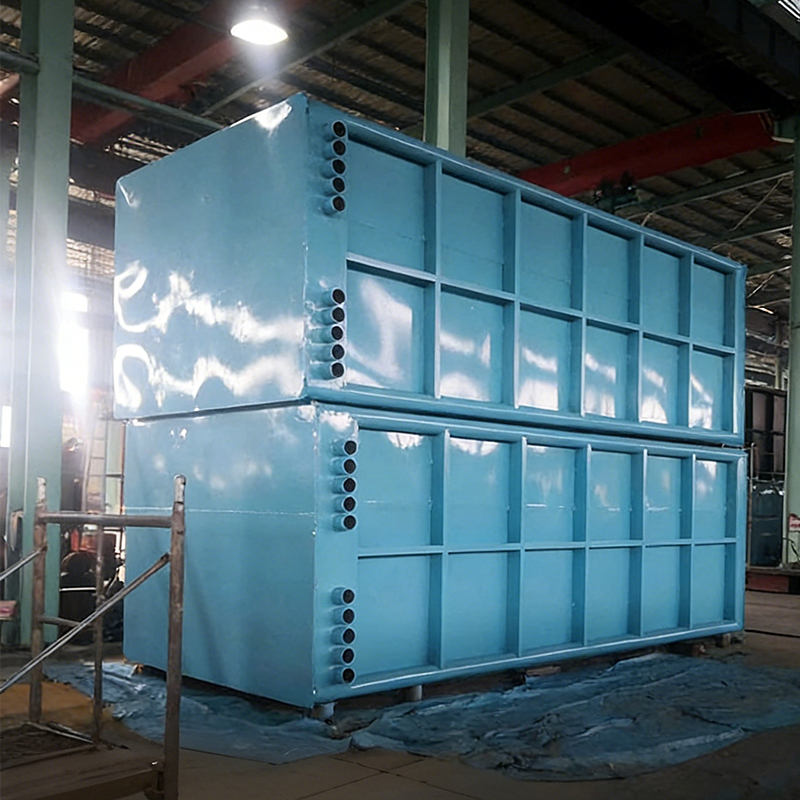
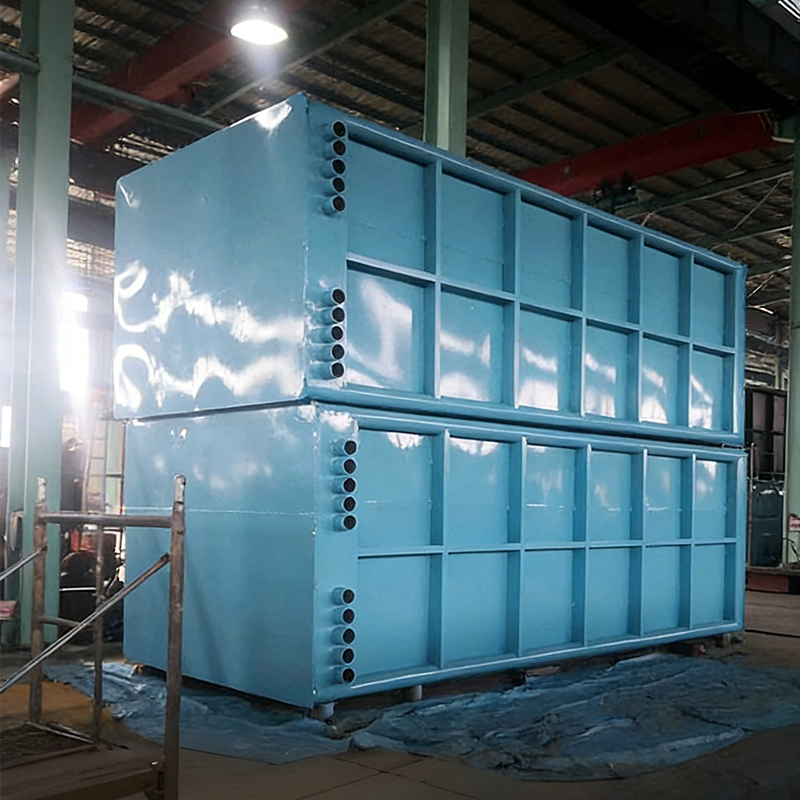
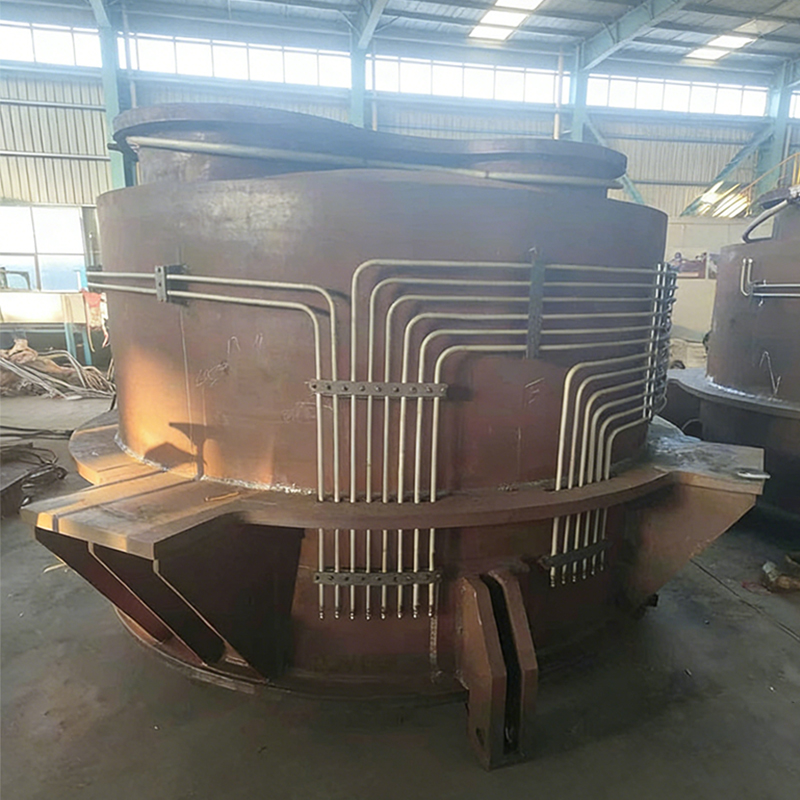
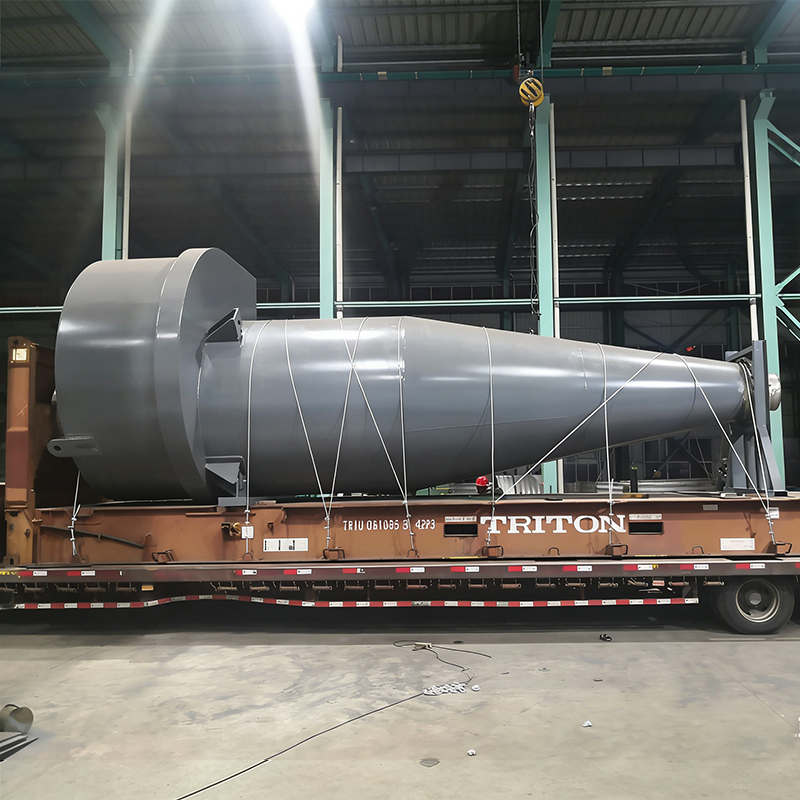
The Sintering Waste Heat Boiler on Main Flue Gas Duct is an energy-saving device installed in the main flue at the tail end of the sintering machine to recover the waste heat (300-450℃) of the high-temperature flue gas generated during sintering and convert it into steam.
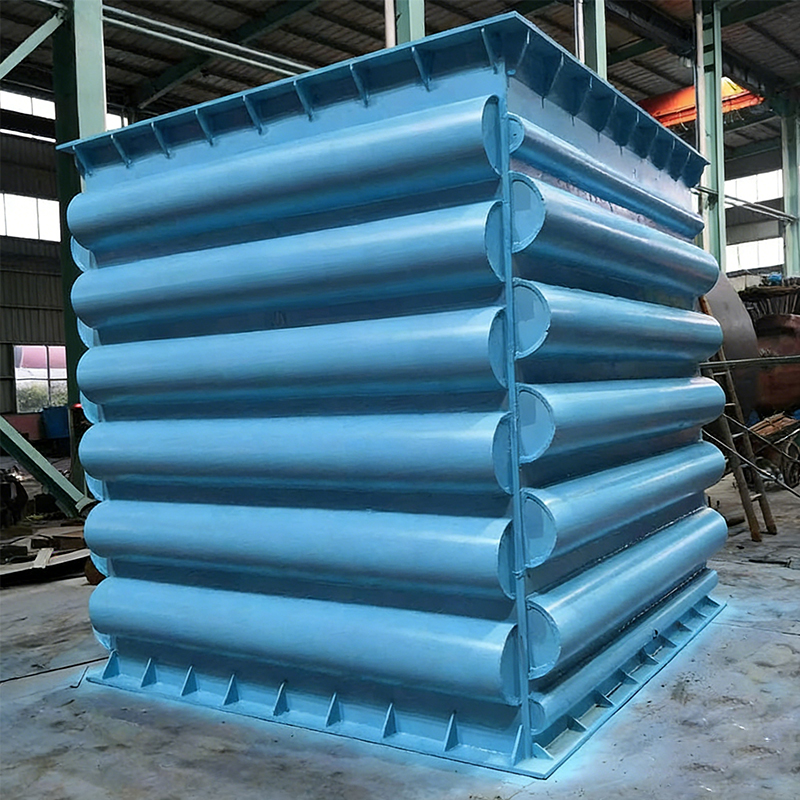
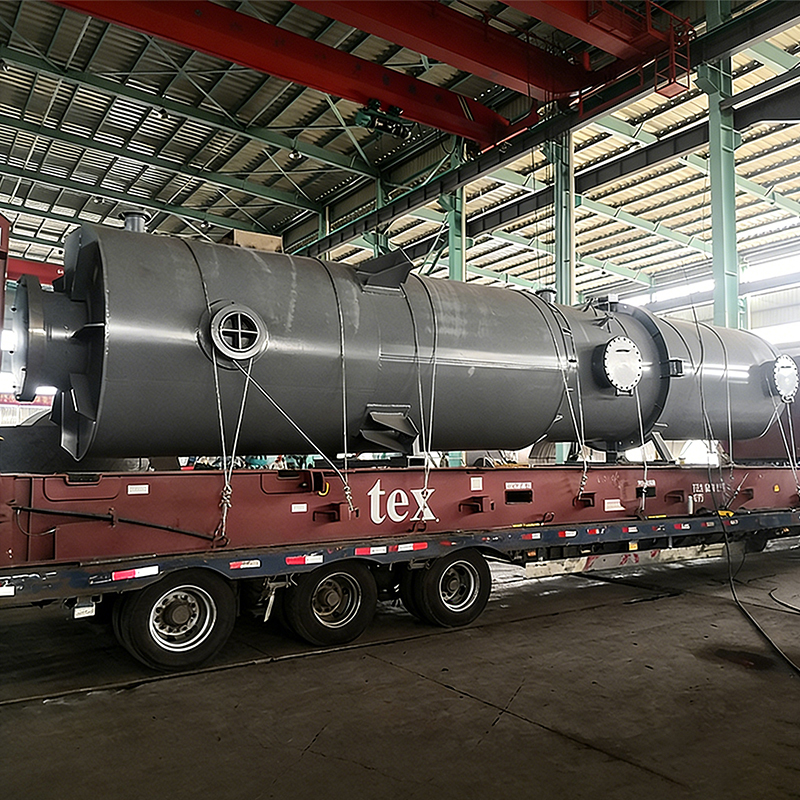
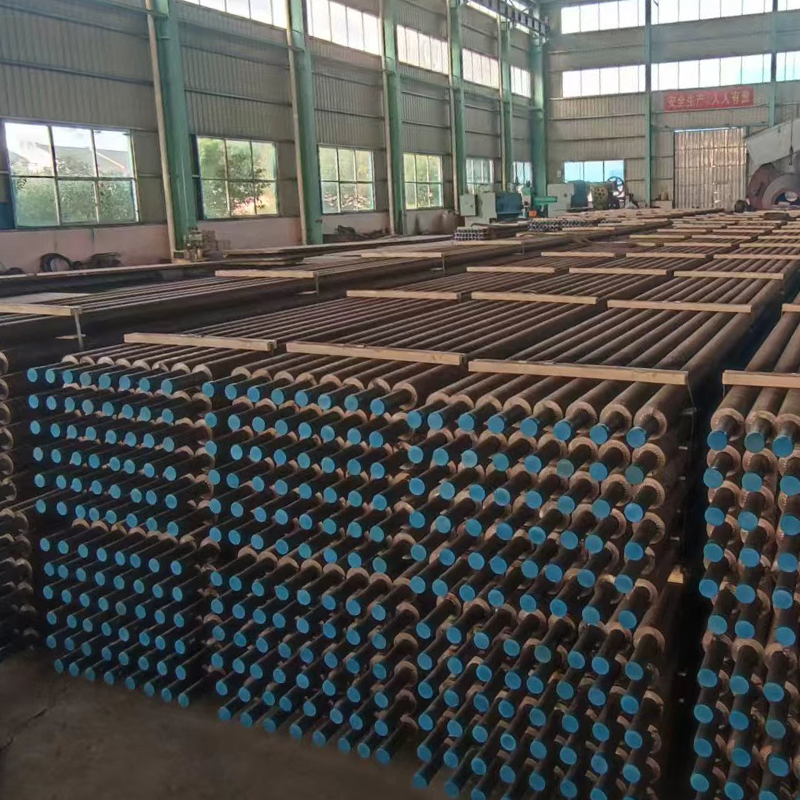
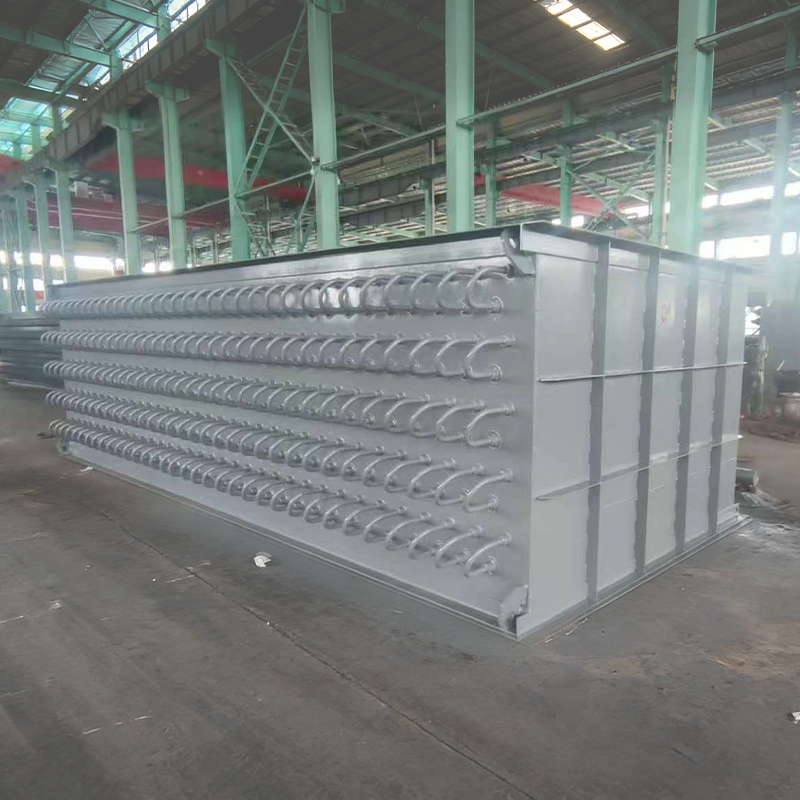
Structural Composition Evaporator: Core heat exchange element (finned tube/heat pipe), absorbs heat from flue gas. Steam Drum: Separates and stores steam and water, controls water level and pressure. Pipeline System: Connects the steam drum and evaporator, including steam and water pipes, valves, etc. Accessories: Safety valves, water level gauges, thermometers, pressure gauges, etc. Application Advantages 1、Energy Recovery: Converts waste heat into usable energy, reducing energy consumption in the sintering process (approximately 10% of total energy consumption in a steel plant). 2、Economic Benefits:The generated steam can be used to drive the main sintering exhaust fan (saving electricity).Excess steam can be used for power generation or other production processes. 3、Environmental Benefits: Reduces flue gas temperature, lessens the load on subsequent environmental protection equipment, and reduces carbon emissions.
The core application of sintering waste heat boilers in the main flue of sintering machines is the recovery of high-temperature flue gas waste heat. It is mainly used in the following areas: Energy Recovery: Converting the 300-500°C waste heat from the flue gas in the main flue of the sintering machine into steam for power generation or process steam use, directly reducing energy consumption in the sintering process. Iron and Steel Industry: This is a typical application in the sintering process of integrated iron and steel enterprises. It effectively supplements traditional waste heat recovery from annular coolers, improving the overall thermal efficiency of the entire sintering process. Technical Approaches: There are two main options: Built-in type: The equipment is installed inside the flue, requiring less investment and space, but maintenance is inconvenient. External type: The system is independent and reliable, easy to maintain, but requires more investment and space.
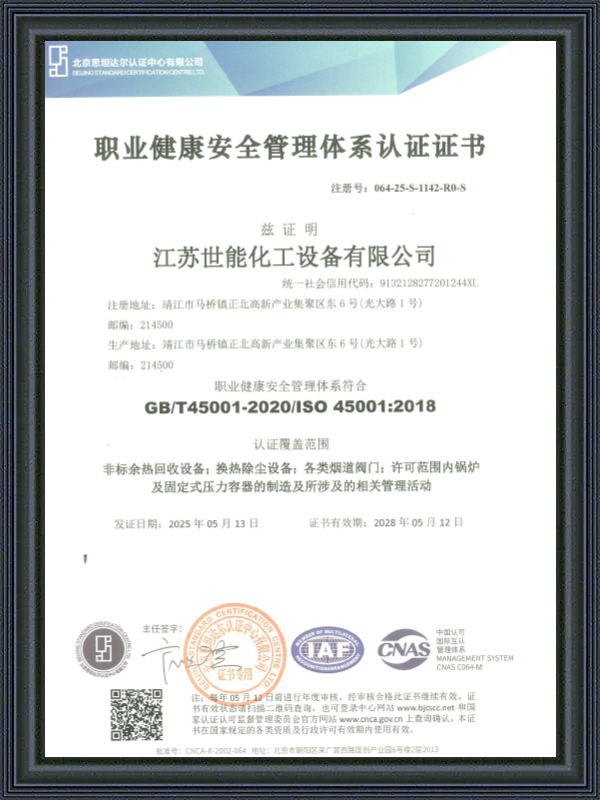
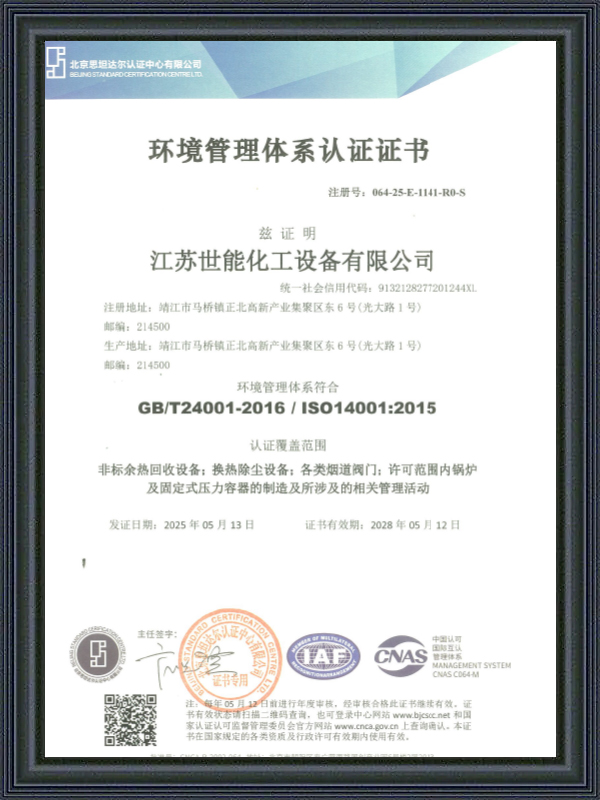
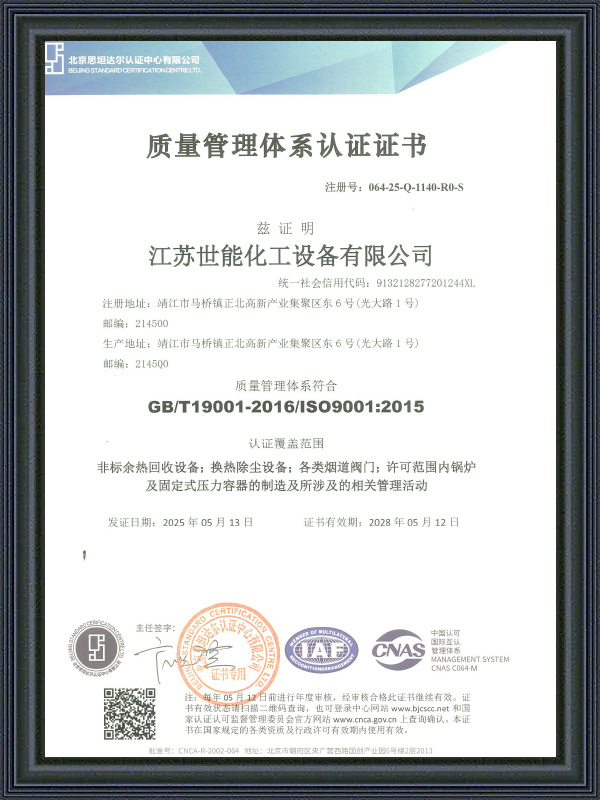
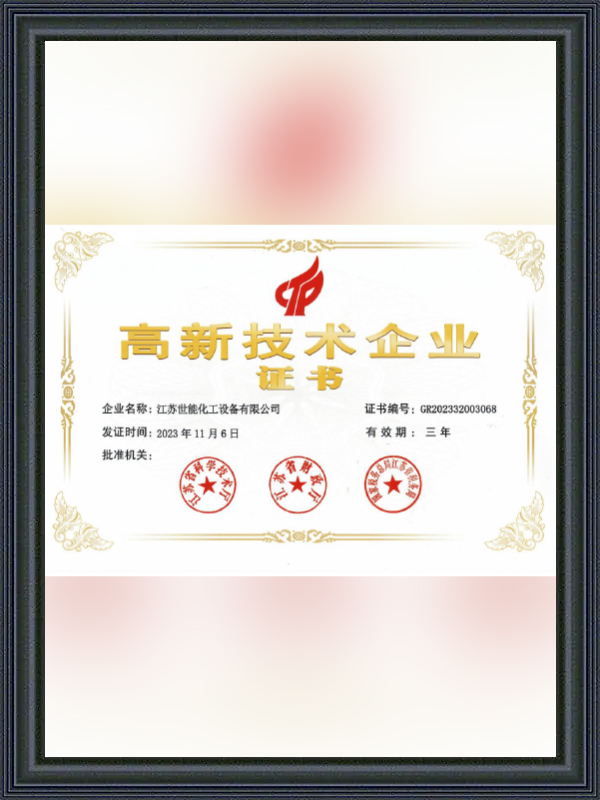
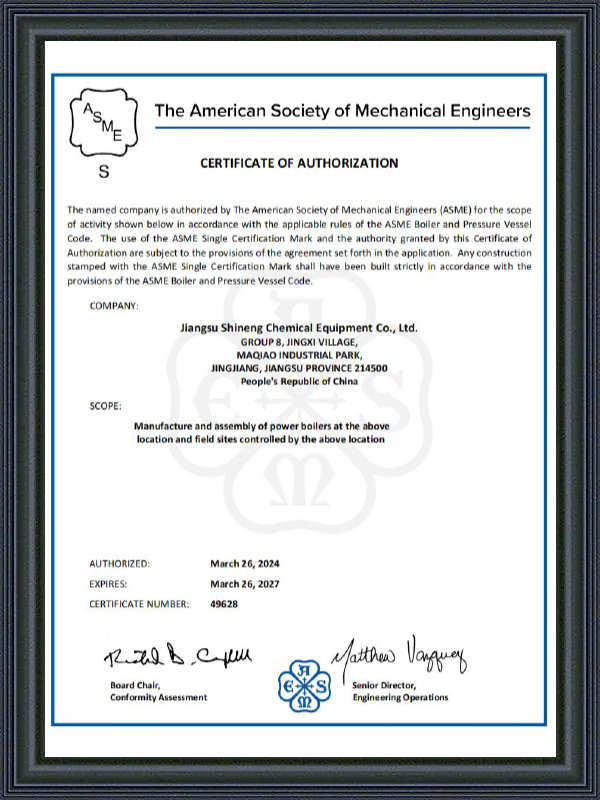
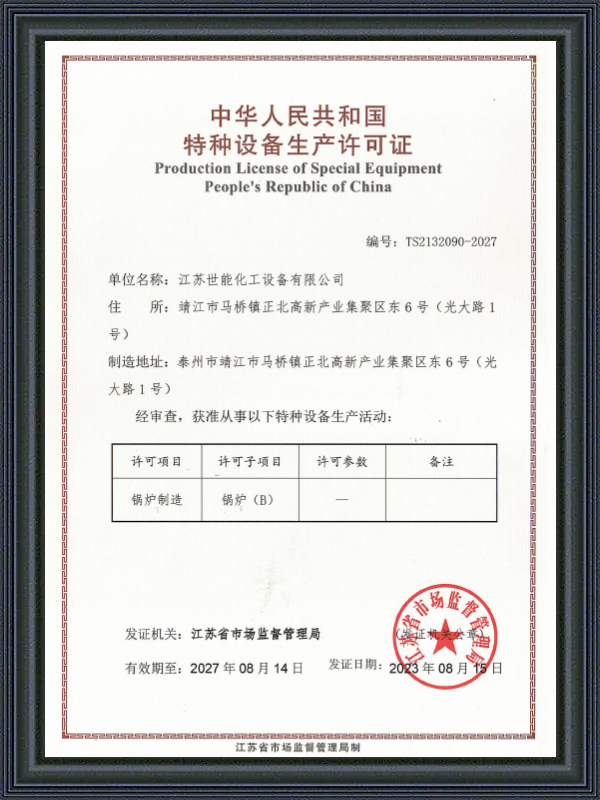
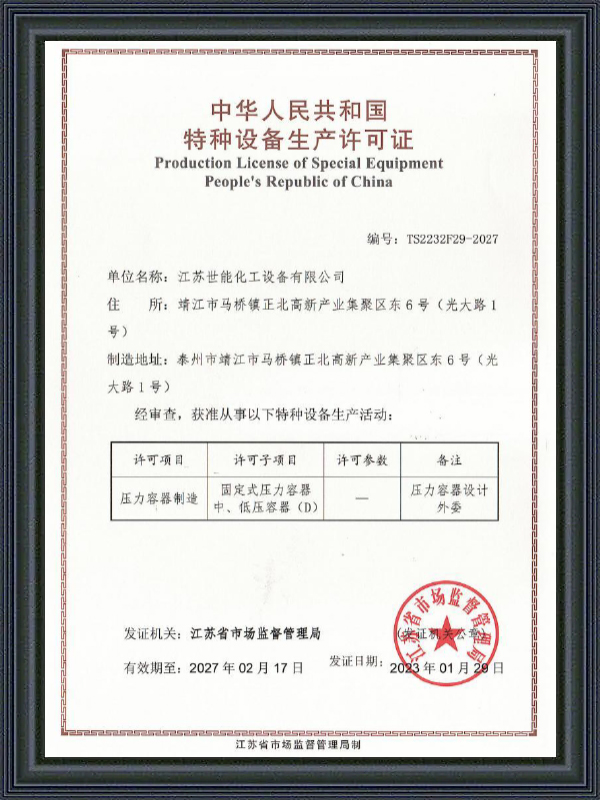
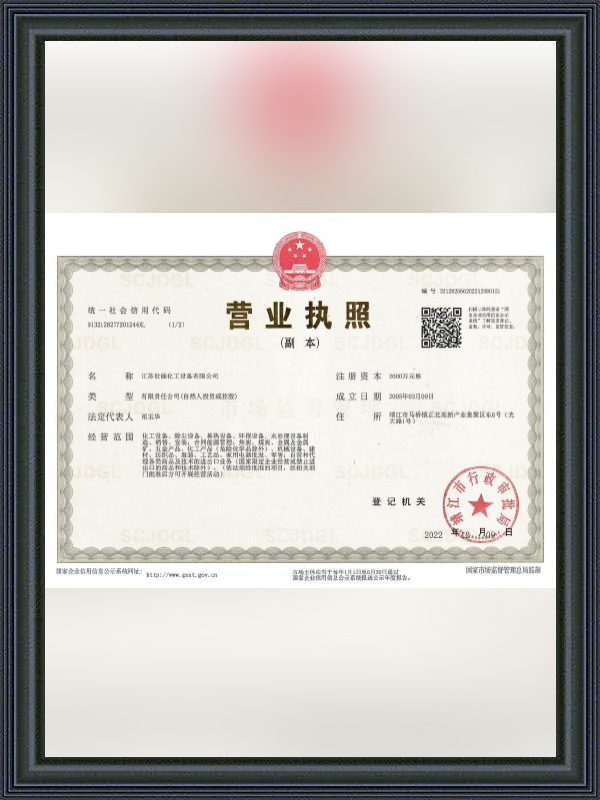
As China sintering machine whb manufacturer and sintering waste heat boiler supplier, Jiangsu Shineng Chemical Equipment Co., Ltd, founded in 2005, the company specializes in the R&D and manufacturing of flue gas waste heat recovery systems and chemical equipment, possessing comprehensive in-house capabilities spanning from heat pipe development and nickel-based brazing to pressure vessel fabrication. Our products are widely used in coal chemical, metallurgy, power generation, and synthetic ammonia industries, and have been exported to overseas markets.
A puddle under the casing of an industrial boiler is rarely just a plumbing problem. On a 60 t/h coke oven flue gas waste heat boiler, water appearing along a casing seam usually points to one of three things: a failed tube-to-tubesheet weld, a thinned economizer tube, or a weeping handhole gasket....
Boiler Safety Relief Valve Leaking: The Short Answer Before the Details
If a boiler safety relief valve is leaking, treat it as a defect on the pressure boundary, not as a housekeeping nuisance. The valve is the last mechanical barrier standing between a pressurised drum and an overpressure event, ...
Why a Boiler PRV Leaks: The Conclusion First
At three in the morning, a warm puddle spreads across the floor under a boiler that was running perfectly the day before. The natural reaction is to assume the valve has failed and order a replacement. That reaction is usually wrong. A boiler PRV leaking...
A Sintering Waste Heat Boileris a specialized waste heat recovery boiler designed to capture thermal energy from hot flue gases generated during the iron ore sintering process in steel plants. In a typical sintering machine, the sinter bed produces exhaust gases at 300°C to 450°C, while the sinter cooler (hot sinter discharge) releases air at 350°C to 550°C. A Sintering WHB recovers both heat sources to produce superheated steam for power generation or process use. According to the China Metallurgical Industry Energy Efficiency Report 2023, sintering accounts for about 10-15% of a steel plant's total energy consumption, and waste heat recovery can capture 35-50% of the available thermal energy. For a 360 m² sintering machine, this translates to steam production of 60-90 t/h, generating 8-12 MW of electricity. The recovered energy significantly reduces the plant's carbon footprint and operating costs.
Figure 1: Waste Heat Potential per Sintering Zone (GJ per ton of sinter)
The horizontal bar chart shows the waste heat potential from different sintering zones per ton of sinter produced. The sinter cooler first stage provides the highest recoverable heat at 0.45 GJ/t, followed by the second stage at 0.35 GJ/t, and the strand waste gas at 0.28 GJ/t. A properly designed Sintering Waste Heat Boiler system can recover up to 1.08 GJ per ton of sinter, which represents about 45% of the total waste heat available. For a steel plant producing 4 million tons of sinter annually, this recovery yields approximately 4.32 million GJ of thermal energy, equivalent to 147,000 tons of coal equivalent. This directly reduces CO₂ emissions by about 390,000 tons per year. The Sintering Machine WHB thus plays a critical role in green steel production.
As a specialized China Sintering Waste Heat Boiler and Sintering Machine WHB Manufacturer, Jiangsu Shineng Chemical Equipment Co., Ltd. designs and supplies complete waste heat recovery systems for steel plants. Their Steel Plant WHB solutions incorporate finned tube heat exchangers, dust removal systems, and anti-corrosion designs for high-sulfur sintering flue gas.
2. How Does a Sintering Waste Heat Boiler Work?
A Sintering Waste Heat Recovery Boiler typically consists of two independent heat recovery sections: one for the sinter cooler (hot air from the sinter discharge) and one for the sintering machine exhaust gas. Hot gases at 350–550°C enter the boiler and flow across finned tube bundles, transferring heat to water/steam. The system includes an economizer, evaporator, superheater, and steam drum. A forced circulation or natural circulation design is selected based on gas temperature and pressure requirements. The Sinter Cooler WHB often uses a separate circuit to avoid cross-contamination with the strand gas.
Jiangsu Shineng's Metallurgical Waste Heat Boiler designs incorporate self-cleaning finned tubes and pulse soot-blowing systems to handle high dust loads (up to 15 g/Nm³). Their Sintering Waste Heat Recovery System has been successfully installed in multiple 300-500 m² sinter plants across Asia, achieving over 95% operational availability.
3. Performance Advantages and Technology Comparison
A Sintering Waste Heat Boiler provides multiple benefits: reduced fuel consumption, lower CO₂ emissions, and improved plant profitability. The table below compares key performance indicators for a steel plant before and after installing a WHB on its 450 m² sintering line.
Table: Performance improvement with Sintering Waste Heat Boiler (450 m² sinter machine case)
Parameter
Before WHB
After WHB Install
Change
Sintering energy consumption (GJ/t)
2.45
1.89
-22.9%
Power generation (kWh/t sinter)
0
22.5
+22.5 kWh/t
CO₂ reduction (tons/year)
baseline
185,000
equivalent to 40k cars
Exhaust gas temp after dust collector (°C)
~210
145
-65°C
Figure 2: Power Generation Capacity by Sinter Machine Area
The column chart shows the potential power generation capacity from sinter waste heat recovery based on machine area. A 180 m² sinter line can generate about 3.2 MW of electricity, while a large 600 m² plant can produce up to 15.2 MW. For every 100 m² of sinter area, approximately 2.4-2.7 MW of power can be recovered using a modern Sintering WHB system. This translates to annual electricity production of 25,000 to 120,000 MWh depending on plant size, covering 20-35% of the sintering plant's own power consumption. The recovered power reduces purchased electricity costs and lowers the overall carbon intensity of steel production. Furthermore, Steel Plant Waste Heat Recovery systems often qualify for carbon credits under international emission reduction frameworks, providing additional financial returns.
Figure 3: Performance Radar — Standard vs. Advanced Sintering WHB Design
The radar chart compares a conventional sinter WHB design with the advanced solution from Jiangsu Shineng. Conventional designs score around 65-70 in key areas such as heat recovery efficiency and dust fouling resistance. Shineng's Sintering Waste Heat Boiler achieves scores above 90 across all metrics, with dust fouling resistance at 93 due to optimized fin spacing and automated pulse soot-blowing systems. The advanced design improves heat recovery efficiency by 18-22 percentage points compared to conventional units, directly translating into 25-30% more steam generation for the same flue gas flow. Additionally, the use of nickel-based brazed fin tubes (developed in-house) provides superior corrosion resistance even when sintering high-sulfur ores. As a Sintering Machine WHB Manufacturer with nearly two decades of experience, Jiangsu Shineng delivers custom Metallurgical Waste Heat Boiler Supplier solutions that maximize return on investment for steel producers.
4. Frequently Asked Questions (Q&A)
Q1: What is the typical payback period for a sintering waste heat boiler in a steel plant? Based on multiple projects in China and Southeast Asia, the payback period for a Sintering Waste Heat Recovery System ranges from 1.5 to 3 years, depending on local electricity prices and operating hours. For a 360 m² sinter machine producing 8 MW of power, annual savings can exceed USD 3 million, with capital costs recovered within 24 months.
Q2: Can a sintering WHB handle the high dust content of sinter flue gas without frequent cleaning? Yes. Modern Sinter Cooler WHB designs incorporate low-resistance finned tubes with wide pitch (12-20 mm) and online pulse soot-blowing systems. Jiangsu Shineng's units operate at dust loads up to 18 g/Nm³ with cleaning intervals of 6-8 hours, achieving 96% thermal performance retention over a 6-month campaign. For heavy fouling, offline water washing during scheduled maintenance restores full capacity.
Q3: What steam parameters are typically achieved in a sintering waste heat boiler? Most Industrial WHB Manufacturer designs for sintering produce superheated steam at 3.8-5.3 MPa and 400-450°C. Larger systems (500 m² and above) can achieve 9.8 MPa, 540°C for high-efficiency power generation. The choice depends on the gas inlet temperature (higher temperature allows higher pressure) and downstream turbine requirements. Jiangsu Shineng offers both medium-pressure and high-pressure designs as a Custom Sintering WHB provider.
Q4: How does a sintering WHB compare to a conventional boiler in terms of efficiency? A Sintering Waste Heat Boiler operates on "free" waste heat and typically achieves 78-84% heat recovery efficiency from the flue gas stream, whereas a conventional fuel-fired boiler has 88-92% efficiency but consumes fuel. The net primary energy saving is substantial: every 1 MW of power from a WHB avoids 2.5-3.0 MW of fuel input in a separate boiler. This makes Waste Heat Recovery Boiler for Steel Plant one of the most effective decarbonization technologies available.
Company introduction: Jiangsu Shineng Chemical Equipment Co., Ltd. As a China flue gas recovery unit manufacturer and waste heat recovery system company, Jiangsu Shineng Chemical Equipment Co., Ltd, founded in 2005, specializes in the R&D and manufacturing of flue gas waste heat recovery systems and chemical equipment, possessing comprehensive in-house capabilities spanning from heat pipe development and nickel-based brazing to pressure vessel fabrication. Our products are widely used in coal chemical, metallurgy, power generation, and synthetic ammonia industries, and have been exported to overseas markets. As a leading Sintering Waste Heat Boiler Supplier and Sintering Machine WHB Manufacturer, Shineng provides complete Energy Saving WHB for Steel Industry solutions, from design and fabrication to commissioning and after-sales support.
References: IEA Iron and Steel Technology Roadmap (2022); China Metallurgical Industry Energy Efficiency Report 2023; GB/T 32960-2016 Technical specification for waste heat recovery of sintering machine; and ASME PTC 4.4-2021 Waste Heat Recovery Boiler Performance Test Code.


 English
  русский
 Español