Waste Heat Recovery Unit for High-Temperature Flue Gas from Oxygen-Blown Gasifier Custom
Home / Products / Waste Heat Recovery Unit for High-Temperature Flue Gas from Oxygen-Blown Gasifier
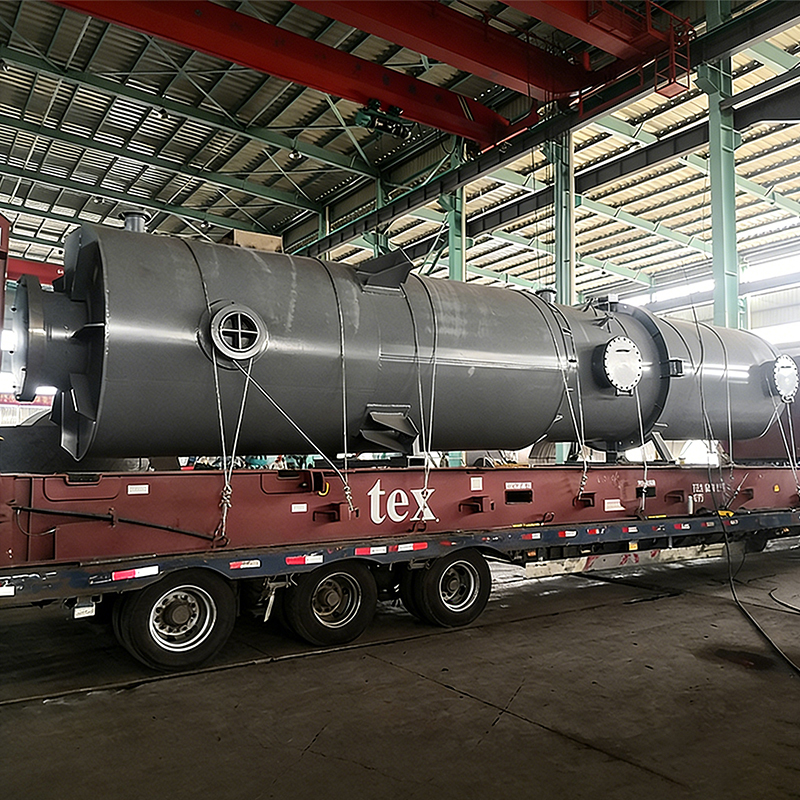
Waste Heat Recovery Unit for High-Temperature Flue Gas from Oxygen-Blown Gasifier
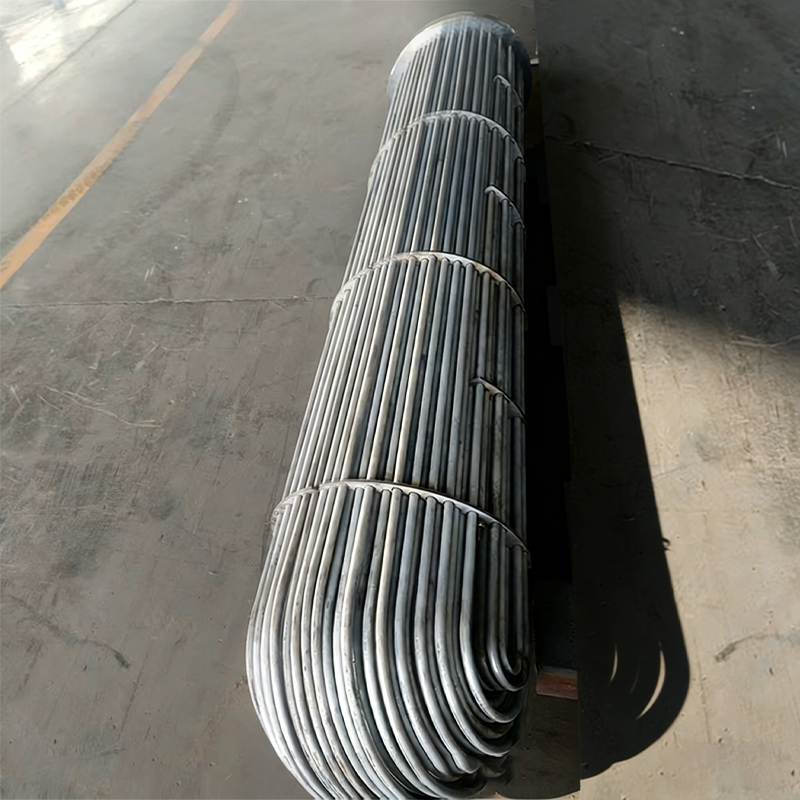
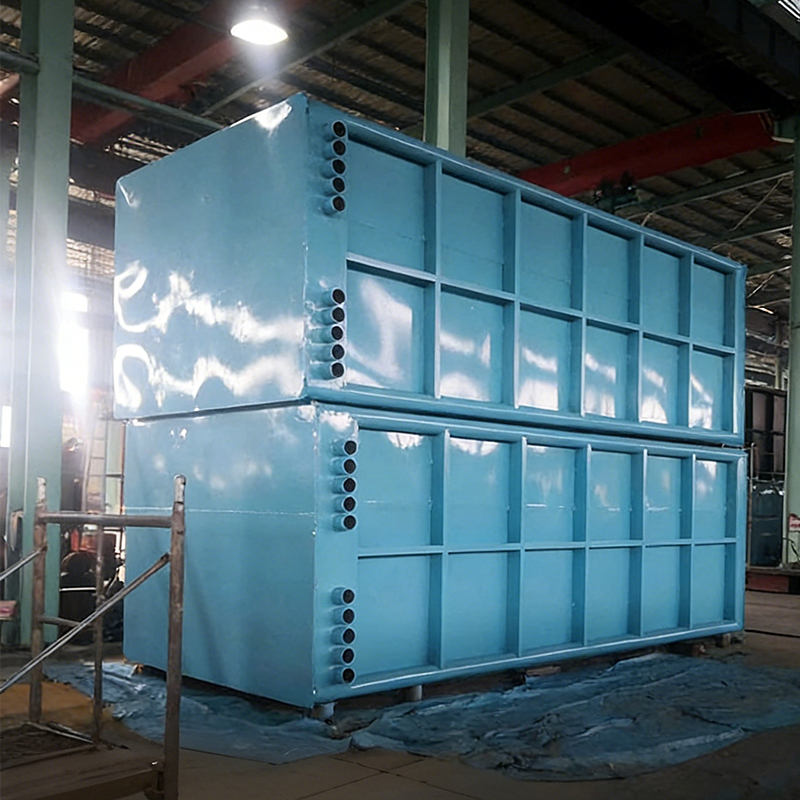
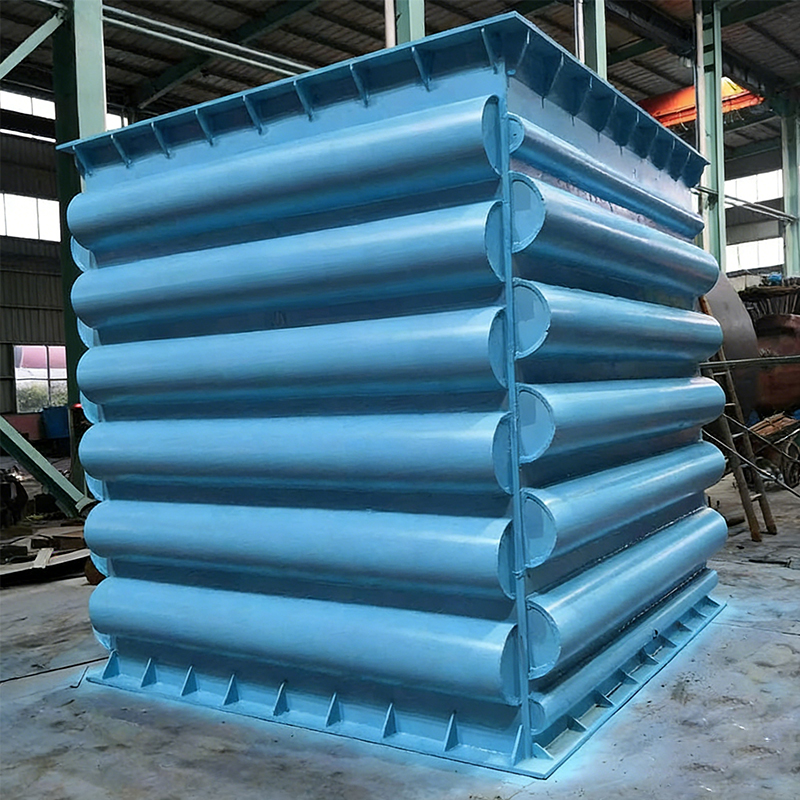
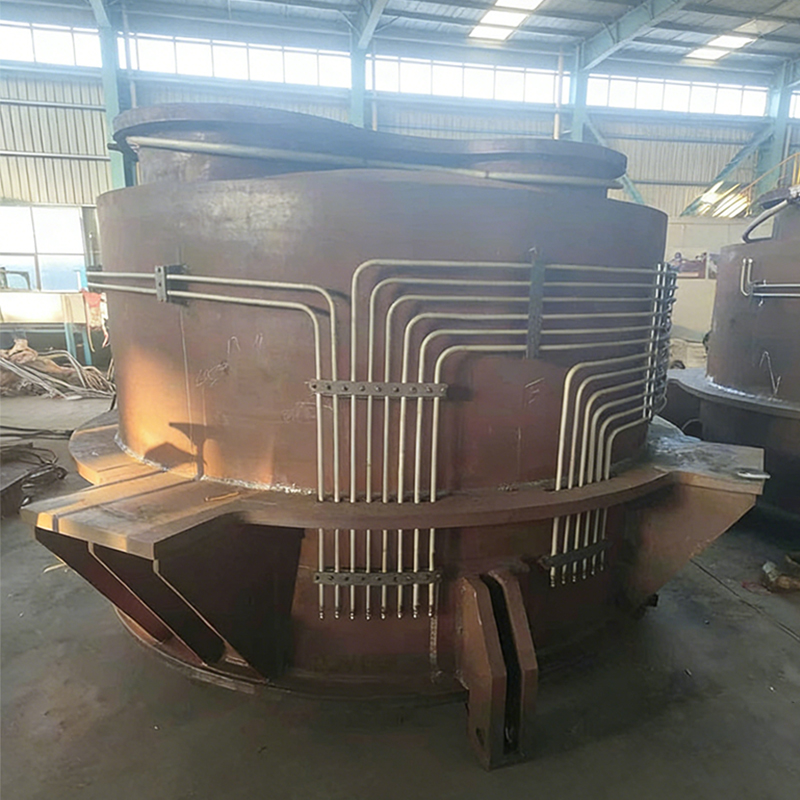
The Waste Heat Recovery Unit for High-Temperature Flue Gas from Oxygen-Blown Gasifier is a system specifically designed to recover the heat energy from the extremely high-temperature flue gas (typically above 800°C) produced by an oxidizing furnace. It converts the waste heat in the flue gas into steam or electricity through various heat exchangers, thereby significantly improving the energy efficiency of the entire process and reducing emissions and operating costs.
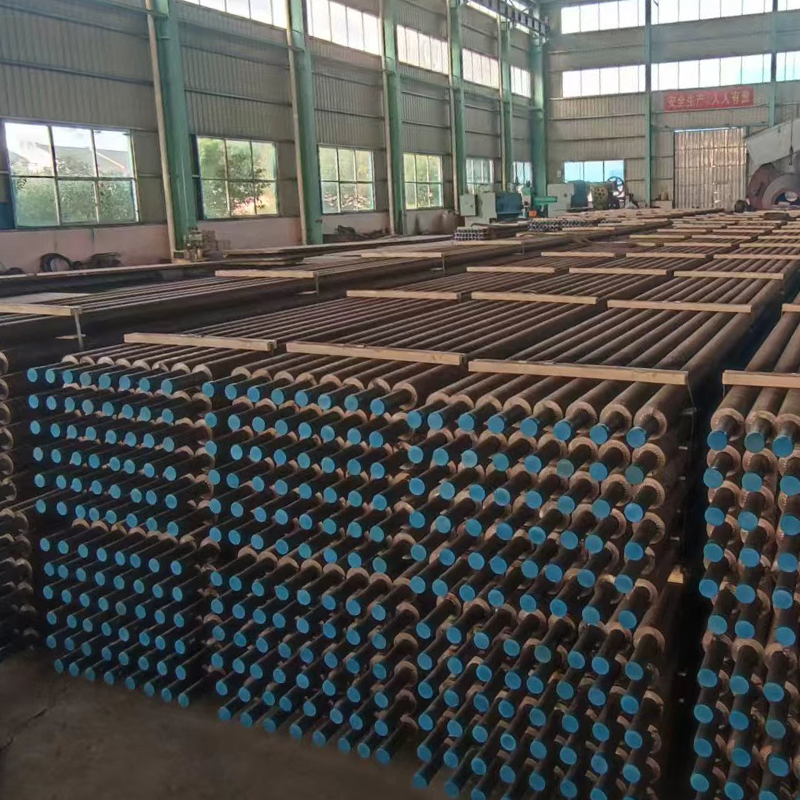
Features: High-Temperature Resistant Design: The heat exchange elements are made of high-temperature resistant alloy materials (such as 310S stainless steel, Inconel alloy, etc.) or ceramic materials, capable of withstanding the scouring of high-temperature flue gas at 800-1200℃ for extended periods, avoiding deformation, corrosion, or oxidation at high temperatures. Dust-resistant/Anti-coking Adaptability: Addressing the high dust content and potential coking components in pure oxygen gasification flue gas, the heat exchange channels are designed with large apertures and low resistance, or equipped with online cleaning devices (such as pulse soot blowing and mechanical rapping) to reduce the impact of dust accumulation and coking on heat exchange efficiency. High-Efficiency Heat Exchange Structure: Optimized heat exchange surface layout (such as staggered tube bundles and finned heat exchange) increases the heat transfer area and improves the heat transfer coefficient, reducing heat loss and ensuring sufficient absorption of heat from the flue gas. Strong System Adaptability: The structural dimensions and interface design match the flue gas emission volume and pressure parameters of the pure oxygen gasification furnace, allowing seamless integration with the gasification system without affecting the normal operation of the main equipment; some models support modular design for easy installation, maintenance, and expansion. High Operational Stability: Equipped with temperature and pressure monitoring devices, it can monitor the heat exchange status of flue gas and the medium in real time, avoiding equipment failures caused by over-temperature or over-pressure; the airtight sealing structure prevents flue gas leakage or air infiltration from affecting gasification efficiency.
Core Application Areas: Coal Chemical Industry: Used to produce methanol, synthetic ammonia, olefins, hydrogen, etc. The recovered steam primarily drives large compressors and meets process requirements, making it a core component for reducing energy consumption. Combined Generation Systems: Flexible, providing both electricity and steam for power generation and chemical product production simultaneously, achieving cascaded energy utilization. Emerging Areas: Biomass/Waste Gasification: Used to produce green fuels or generate electricity. Hydrogen Production Coupled with Carbon Capture and Storage (CCUS): Provides energy for energy-intensive carbon capture processes, reducing their costs.
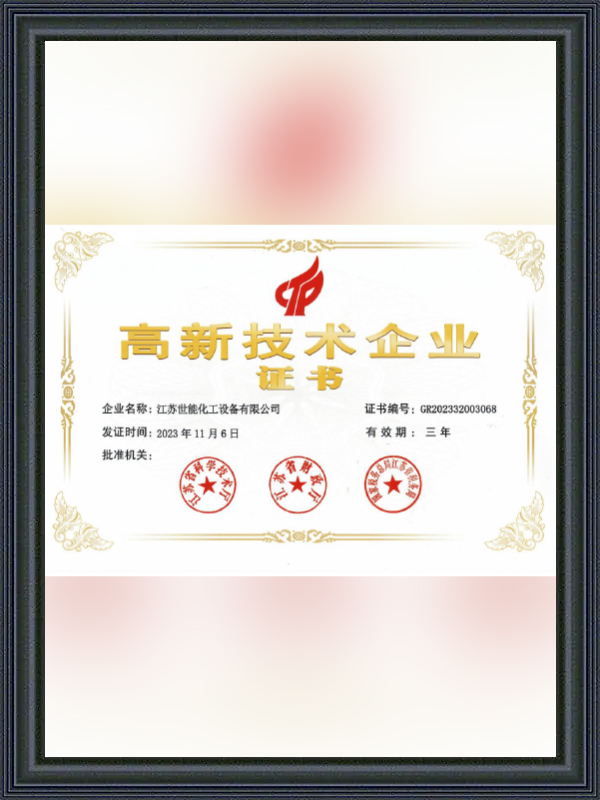
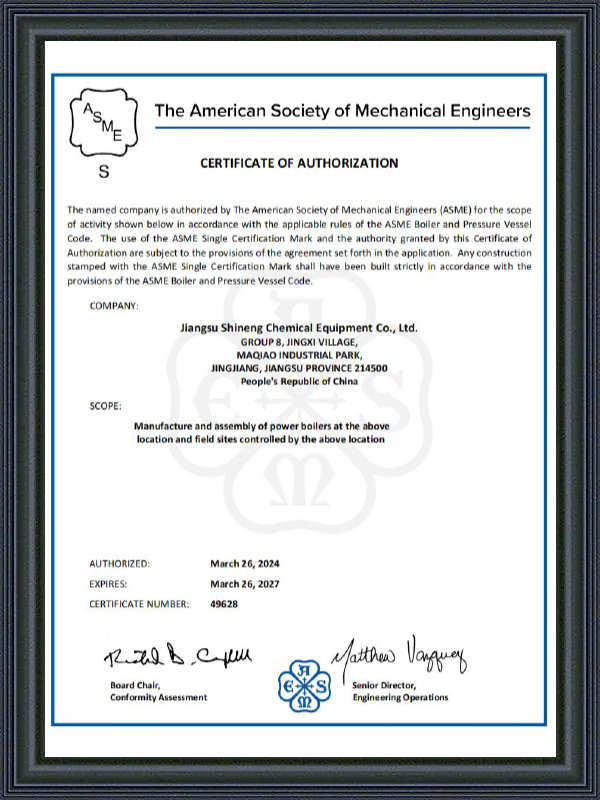
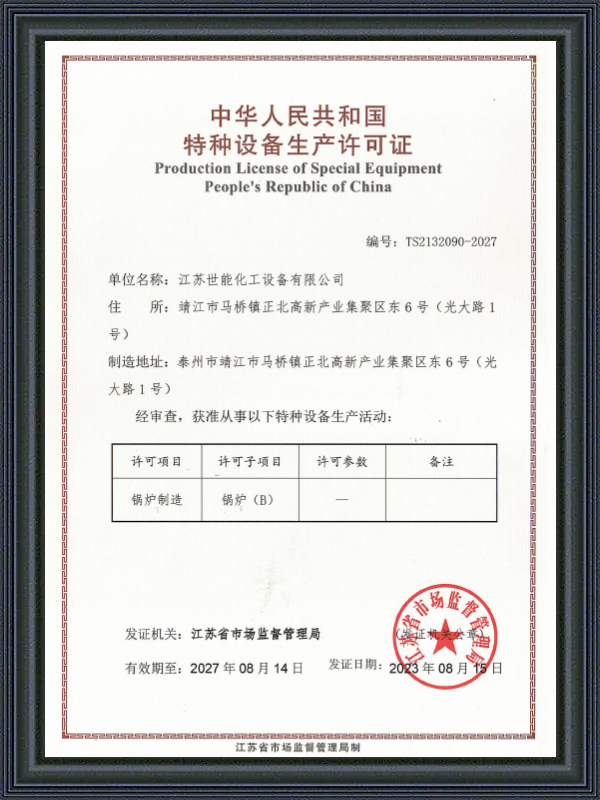
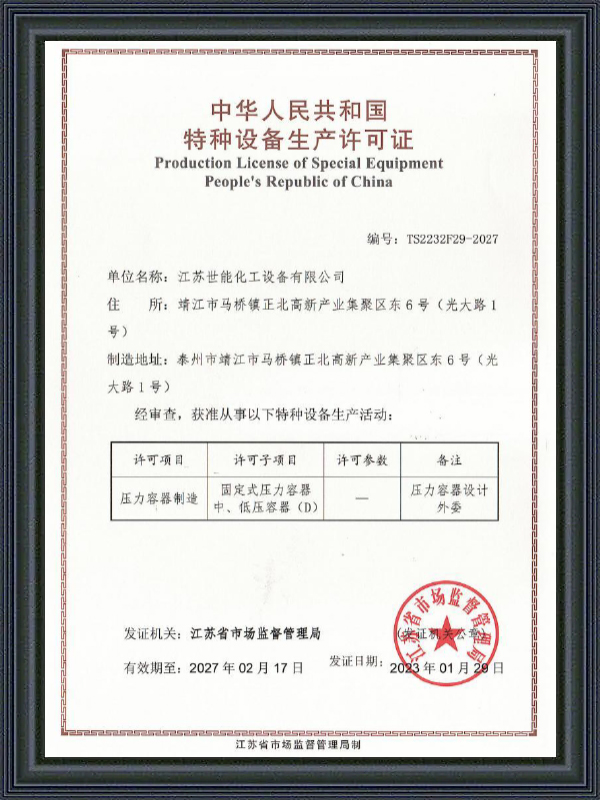
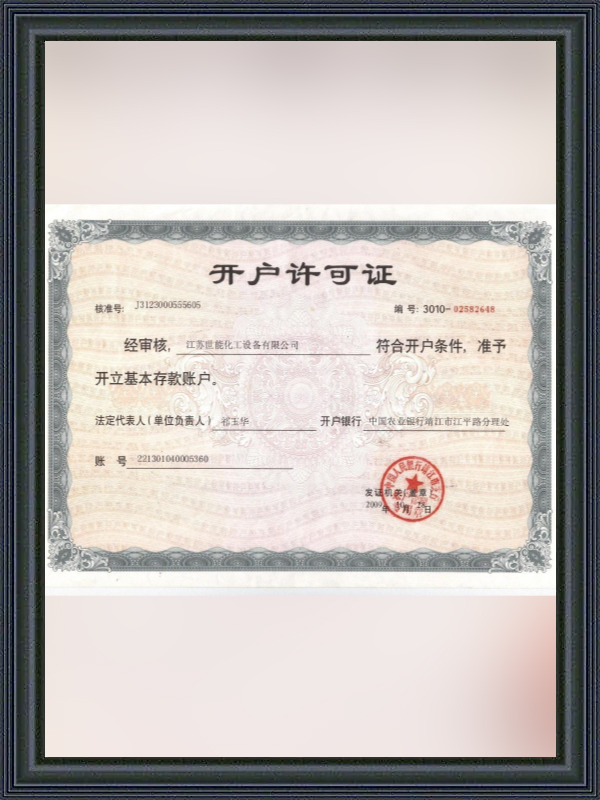
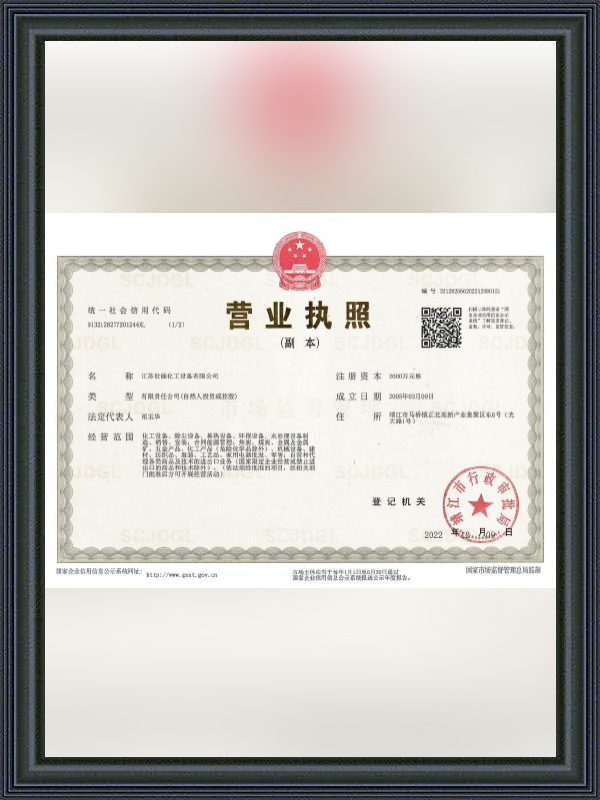
As China flue gas recovery unit manufacturer and waste heat recovery system supplier, Jiangsu Shineng Chemical Equipment Co., Ltd, founded in 2005, the company specializes in the R&D and manufacturing of flue gas waste heat recovery systems and chemical equipment, possessing comprehensive in-house capabilities spanning from heat pipe development and nickel-based brazing to pressure vessel fabrication. Our products are widely used in coal chemical, metallurgy, power generation, and synthetic ammonia industries, and have been exported to overseas markets.
A puddle under the casing of an industrial boiler is rarely just a plumbing problem. On a 60 t/h coke oven flue gas waste heat boiler, water appearing along a casing seam usually points to one of three things: a failed tube-to-tubesheet weld, a thinned economizer tube, or a weeping handhole gasket....
Boiler Safety Relief Valve Leaking: The Short Answer Before the Details
If a boiler safety relief valve is leaking, treat it as a defect on the pressure boundary, not as a housekeeping nuisance. The valve is the last mechanical barrier standing between a pressurised drum and an overpressure event, ...
Why a Boiler PRV Leaks: The Conclusion First
At three in the morning, a warm puddle spreads across the floor under a boiler that was running perfectly the day before. The natural reaction is to assume the valve has failed and order a replacement. That reaction is usually wrong. A boiler PRV leaking...
1. What Is a High-Temperature Waste Heat Recovery Boiler?
A high-temperature waste heat recovery boiler (WHB) is an industrial heat exchanger system designed to capture and convert high-temperature flue gas — typically exceeding 800°C — generated by oxygen-blown gasifiers and other industrial furnaces into usable steam or electricity. As a critical component of the exhaust heat recovery system, it enables facilities in coal chemical, metallurgy, and power generation industries to dramatically reduce energy waste and operational costs. The heat recovery boiler sits at the intersection of energy efficiency and environmental responsibility, making it an indispensable solution for modern industrial processes.
According to data published by the International Energy Agency (IEA, Energy Efficiency 2023), industrial processes account for approximately 37% of global energy consumption, with a significant portion lost as waste heat. Deploying an effective industrial waste heat recovery solution, such as a China High-temperature WHB, can recover 60–80% of otherwise lost thermal energy, translating directly into lower fuel consumption and reduced carbon emissions.
This horizontal bar chart illustrates the estimated waste heat recovery rates achievable across five major industrial sectors using modern exhaust heat recovery systems. The coal chemical industry leads with approximately 78%, largely due to the stable, high-temperature flue gas output of oxygen-blown gasifiers. Metallurgy and power generation also show strong potential, reaching 65% and 70% respectively, benefiting from continuous high-volume exhaust streams. Synthetic ammonia processes achieve around 60%, constrained by more variable operating conditions. Biomass gasification, while an emerging application, already demonstrates 53% recovery potential, which is expected to improve as technology matures. These figures reflect the tangible value a well-designed industrial waste heat recovery infrastructure delivers across diverse applications.
2. Core Features of High-Temperature WHB for Oxygen-Blown Gasifiers
The Waste Heat Recovery Unit for High-Temperature Flue Gas from Oxygen-Blown Gasifier is engineered to address the most demanding thermal environments in modern industry. Its design philosophy centers on durability, efficiency, and seamless integration — the three pillars that define a reliable heat recovery boiler in continuous industrial operation.
(1) High-Temperature Resistant Design
Heat exchange elements are manufactured from high-temperature resistant alloy materials including 310S stainless steel and Inconel alloy, or ceramic materials capable of withstanding continuous flue gas scouring at 800–1200°C. This material engineering prevents deformation, corrosion, and oxidation even under sustained extreme thermal loading — a critical requirement for any dependable China High-temperature WHB.
(2) Dust-Resistant and Anti-Coking Adaptability
Pure oxygen gasification flue gas carries high dust loads and potential coking components. The flue gas recovery unit addresses this with large-aperture, low-resistance heat exchange channels combined with online cleaning devices such as pulse soot blowers and mechanical rappers, maintaining consistent heat transfer efficiency throughout extended operational cycles.
(3) High-Efficiency Heat Exchange Structure
Optimized heat exchange surface layouts — including staggered tube bundles and finned heat exchange — maximize transfer area and improve the heat transfer coefficient. This structural advantage allows the flue gas recovery system to absorb more heat from the flue gas stream, minimizing thermal losses and maximizing steam or electricity output.
(4) Strong System Adaptability and Operational Stability
Structural dimensions and interface design are matched to the flue gas emission volume and pressure parameters of specific gasification furnaces, enabling seamless integration without disrupting main equipment operation. Real-time temperature and pressure monitoring, combined with airtight sealing structures, ensures the waste heat recovery unit operates safely under dynamic process conditions.
Feature
Specification / Technology
Benefit
Material
310S Stainless Steel / Inconel
Withstands 800–1200°C continuously
Cleaning System
Pulse Soot Blowing / Mechanical Rapping
Maintains efficiency under high dust loads
Heat Exchange Layout
Staggered Tube Bundles / Finned Surfaces
Maximizes heat transfer coefficient
Monitoring
Real-time Temperature & Pressure Sensors
Prevents over-temperature / over-pressure faults
Installation
Modular Design Option
Simplified maintenance and scalability
Table 1: Core technical features of the high-temperature waste heat recovery unit for oxygen-blown gasifiers
This radar chart provides a multi-dimensional comparison of the key performance attributes of the high-temperature waste heat recovery unit. Operational stability scores highest at 4.9 out of 5.0, reflecting the system's robust real-time monitoring and airtight sealing design. Thermal resistance follows closely at 4.8, underscoring the capability of premium alloy materials to endure extreme temperature environments found in oxygen-blown gasifier operations. Heat exchange efficiency (4.7) and dust resistance (4.5) highlight the unit's optimization for real-world industrial conditions, where fouling and coking represent ongoing operational challenges. System adaptability at 4.4 reflects the modular architecture that supports diverse gasifier configurations, from coal chemical plants to emerging biomass and hydrogen production facilities. Taken together, these five dimensions confirm that the WHR boiler is engineered for comprehensive industrial performance rather than excelling in one area at the expense of others.
3. Core Application Areas of the Waste Heat Recovery System
The versatility of a well-designed flue gas recovery system means its benefits extend across multiple industrial domains. The following are the primary application environments where the gasifier waste heat recovery unit delivers the most significant impact.
(1) Coal Chemical Industry
In coal chemical plants producing methanol, synthetic ammonia, olefins, and hydrogen, the Coal Chemical WHB plays a central role. Recovered steam primarily drives large compressors and satisfies process heat requirements, making it a core contributor to reducing overall energy consumption. Industry data suggests that deploying an effective exhaust heat recovery system in coal chemical processes can reduce total energy costs by 15–25% (China National Coal Association, 2022).
(2) Combined Heat and Power Generation
Combined generation systems leverage the WHR boiler to deliver both electricity and steam simultaneously, achieving cascaded energy utilization. This dual-output configuration is particularly valuable for facilities seeking to optimize the energy balance of integrated chemical and power production systems.
(3) Biomass and Waste Gasification
Emerging applications in biomass and waste gasification are rapidly expanding the role of industrial waste heat recovery units. These systems support green fuel production and renewable electricity generation, aligning with global decarbonization targets while delivering measurable operational savings.
(4) Hydrogen Production with Carbon Capture (CCUS)
In hydrogen production facilities integrated with Carbon Capture, Utilization, and Storage (CCUS) processes, the exhaust heat recovery system provides the energy needed for energy-intensive carbon capture operations, directly reducing their costs and improving the overall project economics of low-carbon hydrogen production pathways.
This column chart compares estimated energy cost reductions achievable across four key application domains of the waste heat recovery system. The coal chemical industry records the highest potential savings at approximately 25%, driven by the large, continuous volumes of high-temperature exhaust gas inherent to gasification processes. CCUS-integrated hydrogen production follows at 22%, reflecting the significant energy demands of carbon capture operations that can be partially offset by recovered heat. Power generation achieves around 20% cost reduction, particularly in combined heat and power configurations where steam utilization is optimized. Biomass gasification, still an emerging field, currently realizes approximately 18% savings, with considerable room for improvement as process designs become more standardized. These figures reinforce the commercial and environmental case for investing in a high-quality China Waste Heat Recovery Boiler across all applicable industrial settings.
4. Key Selection Criteria for a Waste Heat Recovery Boiler Manufacturer
Choosing the right Waste Heat Recovery Boiler Manufacturer or High-temperature WHB Supplier requires evaluating multiple technical and commercial dimensions. The following criteria represent industry best practices for procurement teams and engineering decision-makers.
Demonstrated track record in coal chemical, metallurgy, and power generation projects
R&D investment in high-temperature alloy materials and advanced heat exchange geometries
Modular design capability for flexible installation and future capacity expansion
Export experience and compliance with international pressure vessel standards
Comprehensive after-sales support including remote diagnostics and on-site maintenance service
Jiangsu Shineng Chemical Equipment Co., Ltd., founded in 2005, stands as a leading China flue gas recovery unit manufacturer and waste heat recovery system company. The company specializes in the R&D and manufacturing of flue gas waste heat recovery systems and chemical equipment, possessing comprehensive in-house capabilities spanning from heat pipe development and nickel-based brazing to pressure vessel fabrication. Products are widely used in coal chemical, metallurgy, power generation, and synthetic ammonia industries, and have been exported to multiple overseas markets — reflecting a reputation for technical reliability built over nearly two decades of continuous innovation.
This line chart tracks the estimated growth trajectory of the global industrial waste heat recovery system market from 2019 through 2024, with a Chinese market sub-trend overlaid. The global market has expanded from approximately $22 billion in 2019 to an estimated $38 billion by 2024, reflecting a compound annual growth rate of roughly 10–11% — consistent with projections published by MarketsandMarkets in their 2023 Waste Heat Recovery Market report. China's domestic exhaust heat recovery market has grown proportionally, driven by mandatory energy efficiency standards and accelerating investment in coal chemical and clean energy sectors. The sustained upward trend underscores the strategic importance of partnering with experienced China Energy-saving WHB manufacturers. This robust market context also highlights why procurement decisions should focus on suppliers with proven in-house R&D capabilities and a long operational history in demanding industrial environments. Suppliers like Jiangsu Shineng Chemical Equipment Co., Ltd. are well-positioned to support this market growth with deep technical expertise and established manufacturing infrastructure.
5. Frequently Asked Questions
Q1: What temperatures can a high-temperature waste heat recovery boiler handle?
A properly engineered High-temperature WHB is designed to handle inlet flue gas temperatures ranging from 800°C to 1200°C, characteristic of oxygen-blown gasifier exhaust. The heat exchange elements use high-temperature alloy materials such as 310S stainless steel and Inconel, specifically selected for their resistance to oxidation, creep, and thermal fatigue under sustained extreme conditions.
Q2: How does a flue gas recovery unit handle high dust and coking conditions?
The flue gas recovery unit addresses these challenges through a combination of large-aperture, low-resistance heat exchange channel design and integrated online cleaning systems. Pulse soot blowing and mechanical rapping devices remove accumulated particulates in real time, preventing the gradual efficiency losses that would otherwise result from dust build-up and coking on heat transfer surfaces.
Q3: In which industries is the gasifier waste heat recovery unit most commonly deployed?
The Gasifier Waste Heat Recovery unit is most widely deployed in the coal chemical industry — for methanol, synthetic ammonia, olefin, and hydrogen production — followed by metallurgy, power generation, and increasingly in emerging sectors such as biomass gasification and hydrogen production coupled with CCUS. Its modular, adaptable design also supports deployment in combined heat and power systems where both steam and electricity outputs are required simultaneously.


 English
  русский
 Español
.jpg "Triple Interlinked Quick-Acting Gate Valve for Coke Oven Flue (opening time <1s)")