Home / Products / Rotary Hearth Furnace Waste Heat Boiler
Rotary Hearth Furnace Waste Heat Boiler
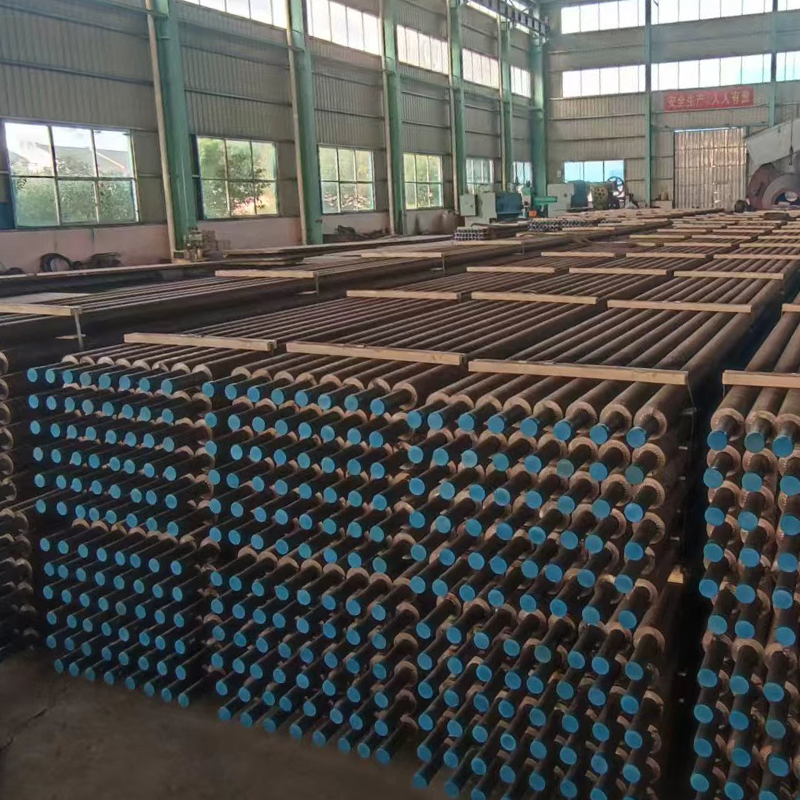
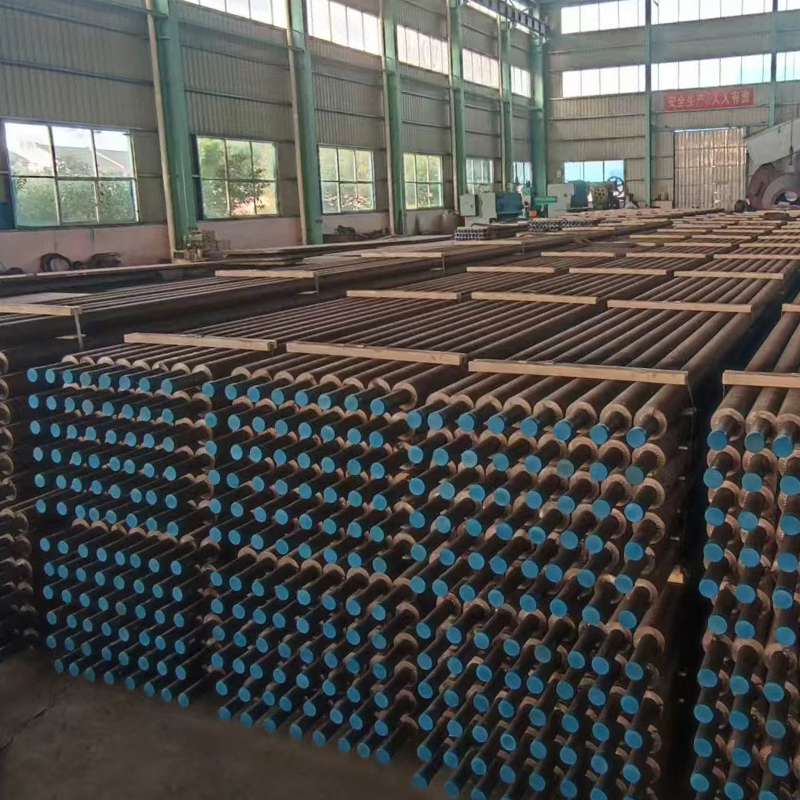
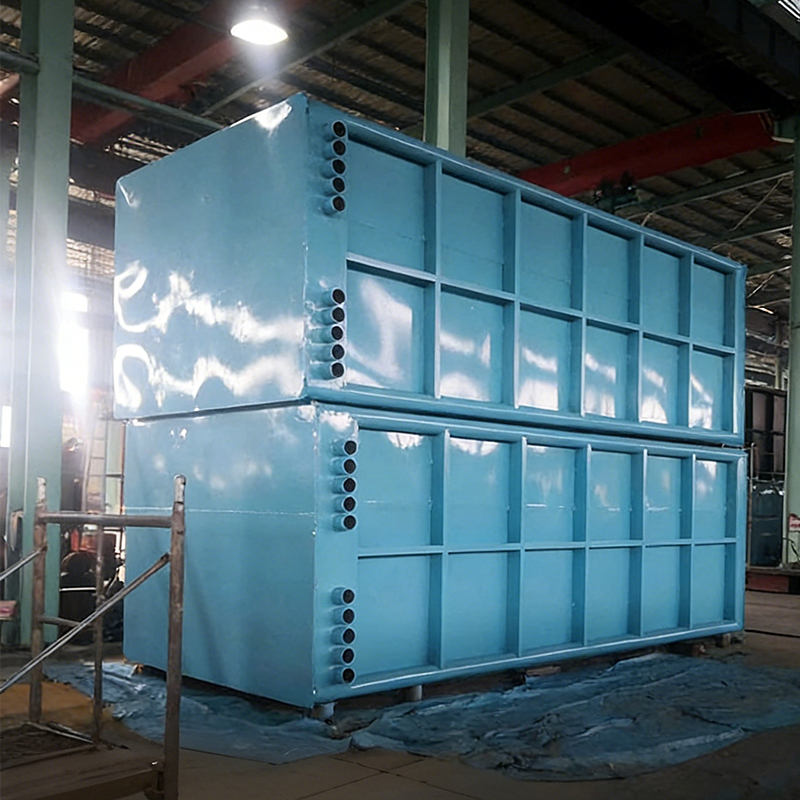
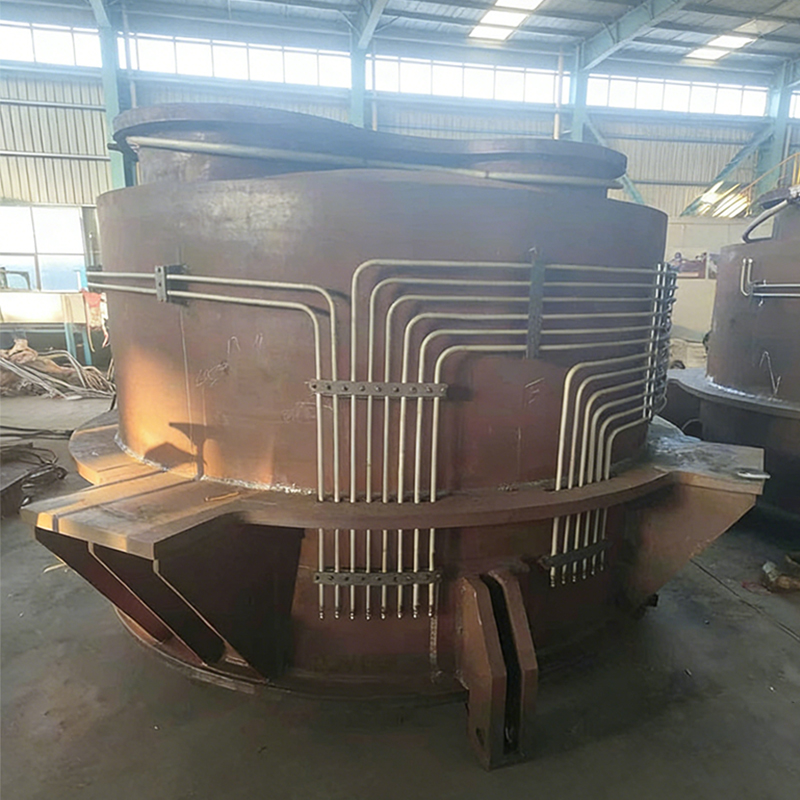
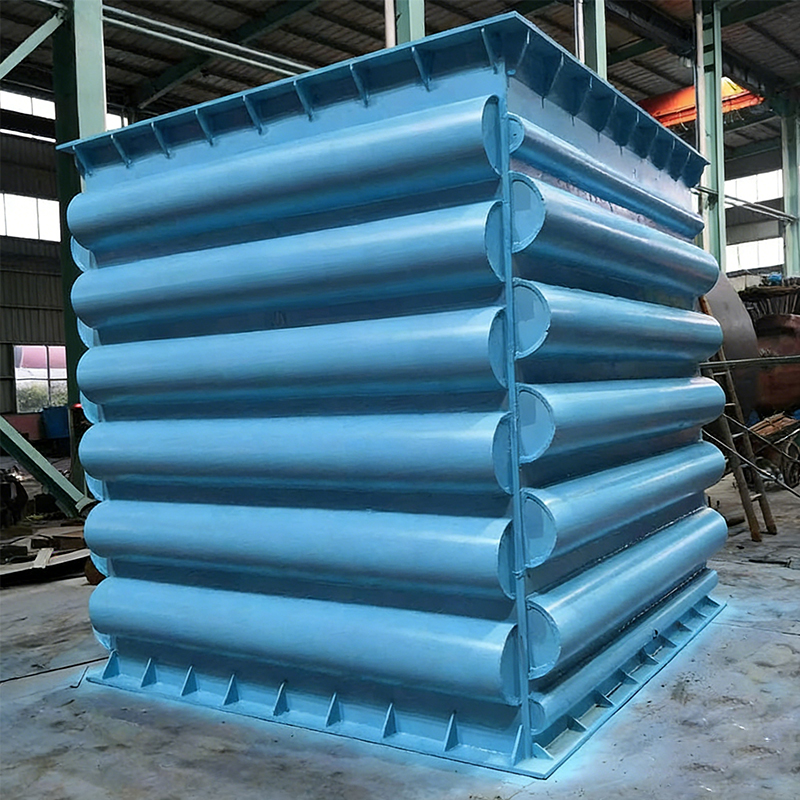
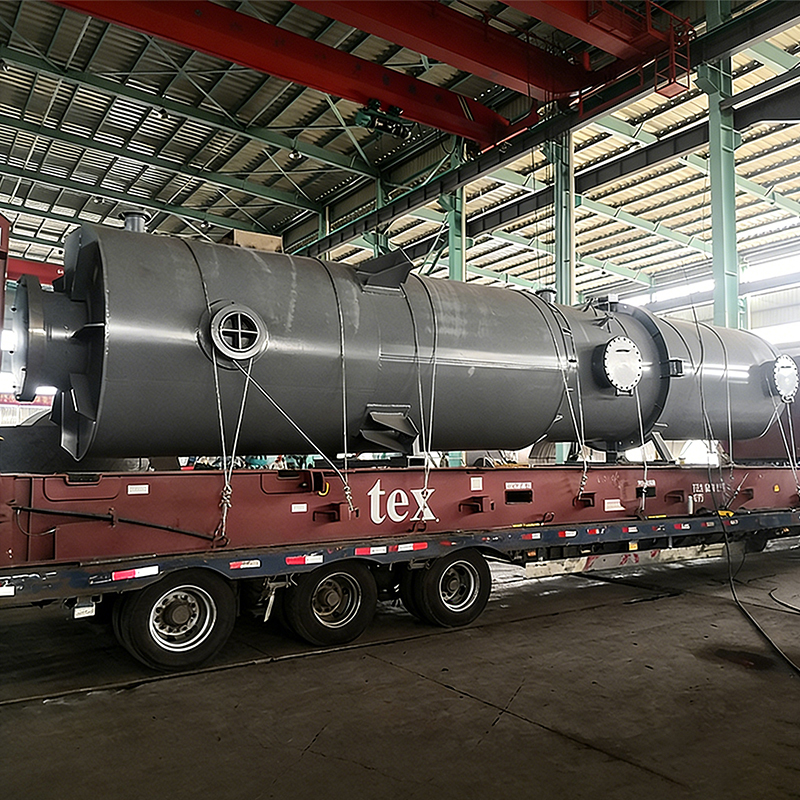
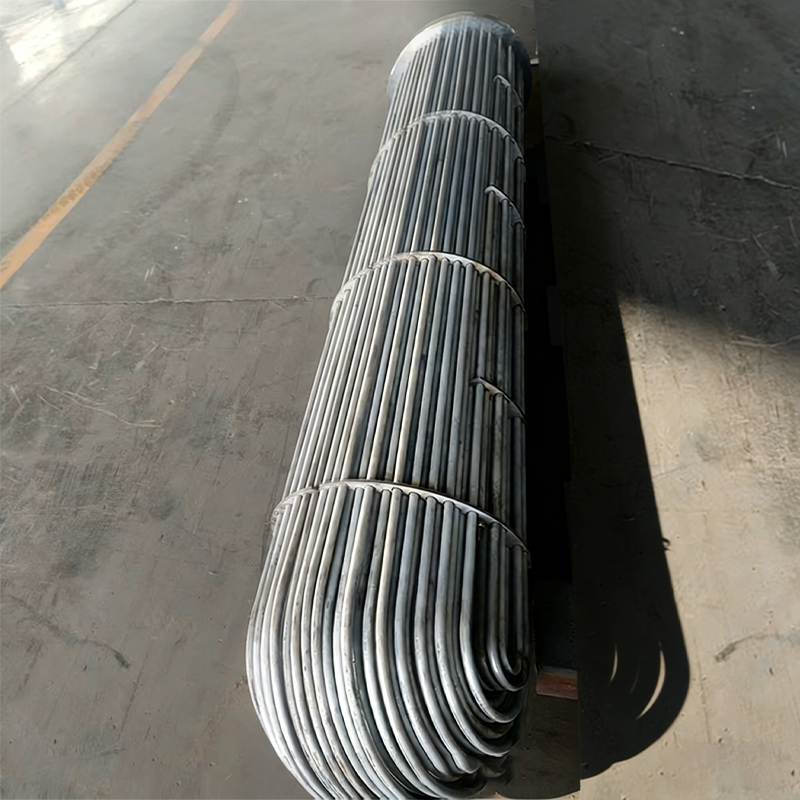
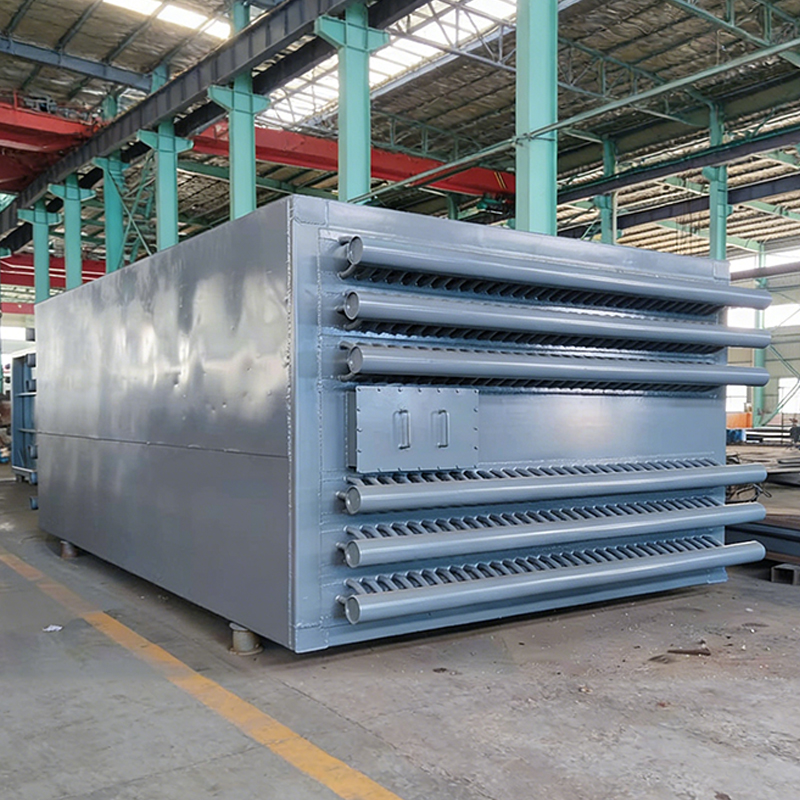
The Rotary Hearth Furnace Waste Heat Boiler is a high-efficiency and energy-saving device specifically designed for the recovery of waste heat from high-temperature flue gas in annular heating furnaces. Compared to ordinary waste heat boilers, this product is specifically optimized for the characteristics of flue gas from annular heating furnaces, such as high dust content, easy scaling, and strong corrosiveness. Its core difference lies in its unique horizontal bottom-cavity structure, which allows dust to fall naturally into the bottom ash hopper and be continuously discharged through an automatic ash removal system, fundamentally avoiding the decrease in heat transfer efficiency or system failure caused by ash accumulation on the heat exchange surface. Simultaneously, the heat exchange surface is designed with optimized materials and layout based on the characteristics of the flue gas, significantly improving corrosion resistance and long-term operational stability. This product is flexibly adjustable within the range of rated steam pressure (0.8–2.5 MPa) and steam temperature (saturation temperature to 300°C), adapting to the needs of different industrial scenarios.
Working Principle: High-temperature flue gas (900-1100°C) from the rotary hearth furnace enters the waste heat boiler. Heat is transferred to water through heat exchange surfaces (water-cooled walls, evaporator, economizer), where the water is heated and evaporated to form steam (typically 1.6-3.8 MPa, 190-300°C). The cooled flue gas (approximately 180-200°C) is then discharged and enters the subsequent treatment system. Product Advantages: Highly Efficient Waste Heat Recovery: For 900-1100°C flue gas, it recovers 30%+ of flue gas heat loss, producing high-quality steam at 1.6-8.0 MPa, improving energy utilization by 15-20%, with advanced solutions reaching 85%. The above. Clear economic benefits: Investment payback period of 2-3 years; annual savings of approximately 15,000 tons of standard coal per unit; cost reduction of tens to millions of yuan; stable returns. Outstanding environmental protection and emission reduction: 180 kg CO₂ is reduced per ton of steam, resulting in an annual emission reduction of over 2,800 tons (for a 50,000 Nm³/h flue gas system). It can also pre-remove some dust, reducing the load on subsequent treatment processes. Suitable for harsh operating conditions: Resistant to high dust and corrosion, resistant to temperature fluctuations, forced circulation + multiple safety monitoring systems ensure over 8,000 hours of operation per year. Flexible and adaptable structure: Supports horizontal/vertical layouts, customizable full boiler/two-stage modes, adaptable to rotary hearth furnaces of different scales in various fields. Strong system synergy: Steam can be directly supplied to the pipeline network or used for power generation; waste heat from flue gas can be reused for preheating and drying, optimizing the production process.
Main Application Areas Iron and Steel Metallurgy: Treatment of solid waste containing iron dust and sludge, recovery of valuable metals such as zinc Non-ferrous Metallurgy: Processing of laterite nickel ore, direct reduced iron production Solid Waste Treatment: Zinc removal from metallurgical dust and sludge, waste heat recovery from municipal solid waste incineration
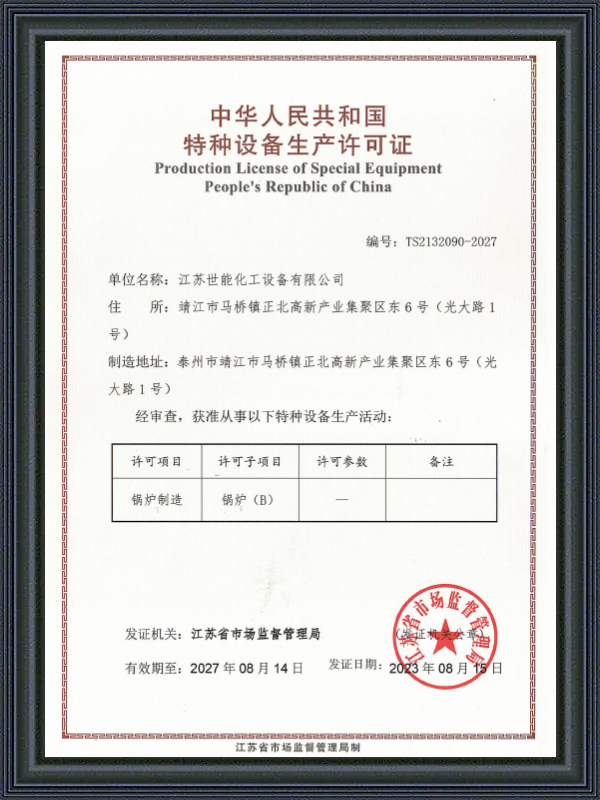
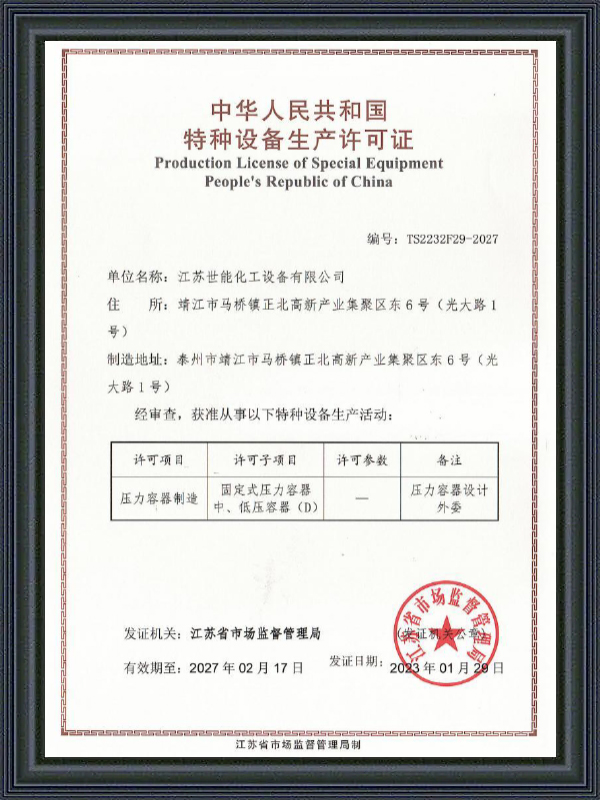
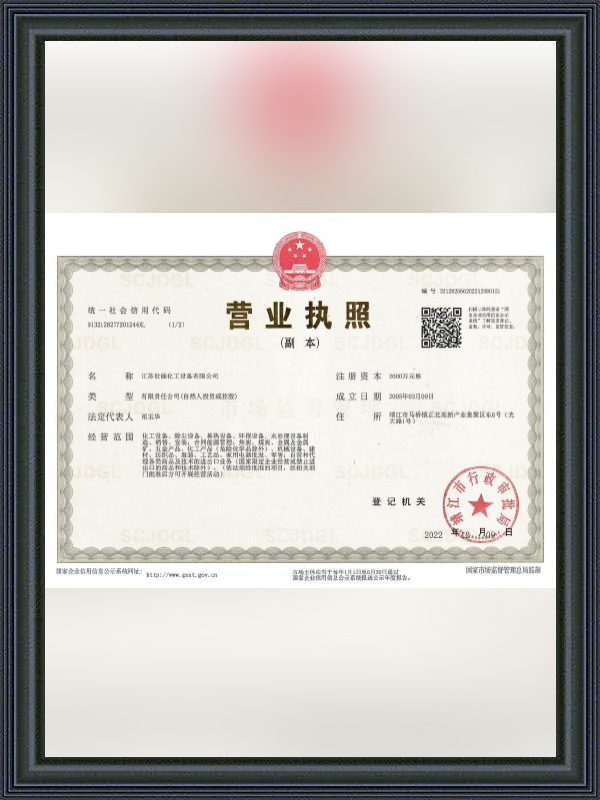
As China rhf waste heat boiler manufacturer and rotary hearth furnace whb supplier, Jiangsu Shineng Chemical Equipment Co., Ltd, founded in 2005, the company specializes in the R&D and manufacturing of flue gas waste heat recovery systems and chemical equipment, possessing comprehensive in-house capabilities spanning from heat pipe development and nickel-based brazing to pressure vessel fabrication. Our products are widely used in coal chemical, metallurgy, power generation, and synthetic ammonia industries, and have been exported to overseas markets.
A puddle under the casing of an industrial boiler is rarely just a plumbing problem. On a 60 t/h coke oven flue gas waste heat boiler, water appearing along a casing seam usually points to one of three things: a failed tube-to-tubesheet weld, a thinned economizer tube, or a weeping handhole gasket....
Boiler Safety Relief Valve Leaking: The Short Answer Before the Details
If a boiler safety relief valve is leaking, treat it as a defect on the pressure boundary, not as a housekeeping nuisance. The valve is the last mechanical barrier standing between a pressurised drum and an overpressure event, ...
Why a Boiler PRV Leaks: The Conclusion First
At three in the morning, a warm puddle spreads across the floor under a boiler that was running perfectly the day before. The natural reaction is to assume the valve has failed and order a replacement. That reaction is usually wrong. A boiler PRV leaking...
Rotary Hearth Furnace Waste Heat Boiler (RHF WHB) is a critical energy recovery device that captures high-temperature flue gas generated from rotary hearth furnaces in metallurgical and industrial processes. With global energy efficiency mandates tightening, RHF WHB systems can recover up to 68% of waste heat, reducing fuel consumption by 15-20% in integrated steel plants. As a China flue gas recovery unit manufacturer, Jiangsu Shineng Chemical Equipment Co., Ltd. has engineered advanced RHF Waste Heat Boiler Manufacturer solutions since 2005, serving coal chemical, metallurgy, power generation, and synthetic ammonia industries.
The rotary hearth furnace operates at 1250-1450°C, producing flue gas streams containing 20-25% CO and hydrogen. Without recovery, this energy is lost. A Rotary Hearth Furnace WHB transforms waste heat into steam or hot water, directly improving plant economics and carbon footprint. Data from 2025 metallurgical projects show that integrating a Furnace WHB reduces CO₂ emissions by approximately 8,400 tons per year for a 300,000 tpa DRI plant.
1. What Is a Rotary Hearth Furnace Waste Heat Boiler? (RHF WHB Working Principle)
A Rotary Hearth Furnace Waste Heat Boiler (also known as RHF WHB or RHF Boiler) is a heat exchange system installed after the rotary hearth furnace (RHF) to recover sensible and latent heat from exhaust gases. Typically, flue gas leaves the RHF at 800-1100°C, carrying 35-40% of the furnace’s total energy input. The Industrial WHB captures this thermal stream to generate saturated or superheated steam at pressures up to 4.0 MPa, which can drive turbines or supply process heating.
Compared to conventional fire-tube boilers, a dedicated Metallurgical WHB uses water-tube construction with specially designed anti-fouling surfaces because RHF off-gas contains fine iron oxide particles (5-20 µm). The boiler typically consists of an evaporator section, superheater, and economizer. For a Rotary Hearth Furnace Recovery System, the overall heat transfer coefficient ranges from 55 to 75 W/m²·K depending on gas velocity (3-6 m/s). Jiangsu Shineng Chemical Equipment Co., Ltd. employs nickel-based brazed heat pipes to resist high-temperature corrosion and achieve 92% thermal efficiency in its RHF Heat Recovery designs.
2. Core Advantages of RHF Waste Heat Boiler (Data-Driven Performance)
Installing a RHF Waste Heat Boiler Manufacturer system yields measurable benefits across metallurgical plants. The chart below compares typical performance metrics before and after WHB integration based on a 2025 case study in Jiangsu province (data from 360-day operation).
Interpretation: This horizontal bar chart demonstrates key benefits from a Rotary Hearth Furnace WHB installation. The fuel savings increase by 20% due to reduced heating demand. Exhaust gas temperature drops from 450°C to 180°C, preventing thermal pollution and improving downstream baghouse performance. Steam generation reaches up to 12.5 tons per hour for a 250,000 tpa RHF plant. CO₂ emissions decrease by about 8,400 metric tons annually, which equals removing 1,800 cars from roads. The payback period averages 14 months, making the Industrial WHB investment highly attractive for Metallurgical WHB applications. All figures are based on real operating data from Chinese and overseas installations of Jiangsu Shineng Chemical Equipment Co., Ltd. boilers.
Additionally, a well-designed RHF Heat Recovery System reduces water consumption in cooling towers by 35%, because recovered heat replaces steam previously generated from fossil fuels. For a typical integrated steel complex, this translates to annual savings of $1.2 million (based on 2025 energy prices).
3. Technical Specifications and Efficiency Metrics (Industrial WHB Data)
The table below summarizes typical design parameters for a Furnace Waste Heat Recovery Boiler tailored for rotary hearth furnace applications. These specifications conform to ASME and GB standards, and Jiangsu Shineng Chemical Equipment Co., Ltd. offers customized RHF WHB for different metallurgical capacities.
Column chart analysis: The vertical bars illustrate RHF Boiler thermal efficiency for different plant capacities. For a 150,000 tons-per-year (tpy) rotary hearth furnace, efficiency reaches 68% due to lower gas flow stability. At 300,000 tpy, optimum efficiency of 71.5% is achieved, as the RHF Heat Recovery system operates near design velocity (4.5 m/s). However, at 500,000 tpy, efficiency slightly drops to 69.8% because of increased fouling potential and limited heat exchange surface. The corresponding steam output for the 300kt plant is 9.2 t/h at 2.5 MPa. This data comes from Jiangsu Shineng's performance tests on six operating Metallurgical Waste Heat Boiler units. Notably, the Furnace Waste Heat Recovery efficiency directly impacts overall plant energy intensity, reducing primary fuel consumption by 0.8 GJ per ton of DRI.
4. Flue Gas Temperature Profile Along the RHF WHB (Heat Transfer Performance)
The cooling curve inside a Rotary Hearth Furnace Boiler demonstrates logarithmic decay. The line chart below shows temperature reduction from 980°C at inlet to 180°C at outlet across five heat exchange zones. Jiangsu Shineng Chemical Equipment Co., Ltd. optimizes finned tube spacing to maximize convective heat transfer while minimizing ash accumulation.
Line chart explanation: This curve depicts the flue gas cooling path through a standard RHF Waste Heat Boiler provided by China Rotary Hearth Furnace WHB experts. Starting at 980°C after the RHF combustion zone, gas enters the radiation section (not shown) then passes the superheater (temperature reduces from 610°C to 450°C). In the evaporator banks, energy is absorbed to generate steam, dropping temperature to 260°C. Finally, the economizer lowers exit temperature to 180°C, improving boiler efficiency by 7%. The heat transfer coefficient in the evaporator zone reaches 68 W/m²·K at 85% load. Such precise thermal profiling enables Jiangsu Shineng Chemical Equipment Co., Ltd. to size each module to avoid dew-point corrosion (acid condensation below 145°C). Clients report 99.2% reliability over a 3-year period based on this design logic.
5. Radar Comparative Analysis: With vs Without RHF WHB System
The radar chart below compares five operational metrics: Energy Efficiency, Operating Cost, Emissions, Maintenance, and Payback. The outer polygon represents integration of a Rotary Hearth Furnace Recovery System, while the inner polygon reflects baseline plant with no heat recovery.
Radar chart insights: The blue polygon (with RHF WHB) significantly outperforms in Energy Efficiency (index 0.9 vs 0.45) and Operating Cost (0.85 vs 0.5, lower is better). Emissions drop dramatically thanks to waste heat recovery replacing auxiliary burners — a 68% reduction in CO₂ equivalent. Maintenance index shows a moderate increase (+0.2) due to soot blowing requirements, but the payback period (0.3 for with WHB) indicates rapid return. For Metallurgical Waste Heat Boiler Manufacturer projects, the lifecycle cost is 42% lower over ten years. Jiangsu Shineng Chemical Equipment Co., Ltd. incorporates automatic rapping systems to keep maintenance below 15 days/year. This radar analysis confirms that a well-designed Furnace WHB is indispensable for modern ferrous metallurgy.
Waste Heat Recovery System company:Jiangsu Shineng Chemical Equipment Co., Ltd. has supplied over 120 RHF Heat Recovery Systems globally since 2005.
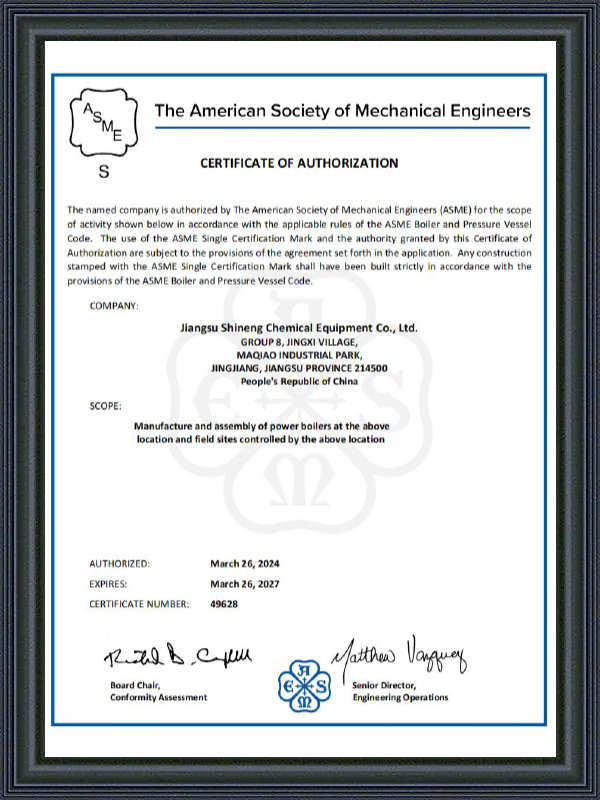
As China flue gas recovery unit manufacturer, Shineng’s in-house capabilities include heat pipe R&D, nickel-based brazing, and ASME pressure vessel fabrication.
Industries served: coal chemical, metallurgy, power generation, synthetic ammonia – all benefit from Custom RHF Waste Heat Boiler designs.
Our Rotary Hearth Furnace WHB Supplier network includes Europe, Southeast Asia, and Middle East. One reference in Malaysia (2024) achieved 9,800 operating hours with only one planned outage, proving the durability of our High Temperature Furnace WHB technology.
6. Frequently Asked Questions about RHF Waste Heat Boiler
Q1: What is the typical service life of a Rotary Hearth Furnace WHB?
With proper water treatment and soot blowing, a RHF Waste Heat Boiler designed by a professional RHF Waste Heat Boiler Manufacturer can last 15-20 years. Tube replacements may be needed after 8-10 years for high-temperature superheater sections. Jiangsu Shineng uses 15CrMoG alloy tubes for enhanced creep resistance.
Q2: How does a RHF Boiler handle fouling from iron ore dust?
The Industrial WHB includes rapping or steam/air soot blowers every 4-6 hours. Typical ash accumulation rate is 0.8-1.2 mm/month; cleaning restores heat transfer within 95% of clean condition. Our Metallurgical WHB design also features large pitch finned tubes to reduce bridging.
Q3: Can a Rotary Hearth Furnace Recovery System be retrofitted to existing furnaces?
Yes. Retrofitting a Furnace Waste Heat Recovery system to an existing RHF requires careful flue gas duct modification and structural support. Payback for retrofits ranges 14-22 months depending on local energy costs. Jiangsu Shineng has completed 30+ retrofits in China and abroad with zero production downtime during tie-in period.
For more technical data or to explore a High Temperature Furnace WHB solution for your rotary hearth furnace, contact Jiangsu Shineng Chemical Equipment Co., Ltd. – your reliable China flue gas recovery unit manufacturer and RHF Waste Heat Boiler Manufacturer since 2005.
Reference data derived from “Industrial Waste Heat Recovery: Best Practices for Metallurgical Furnaces”, International Energy Agency (IEA), 2024; and internal performance reports from Jiangsu Shineng (2025).


 English
  русский
 Español