Home / Products / Evaporator And Heat Exchanger Equipment
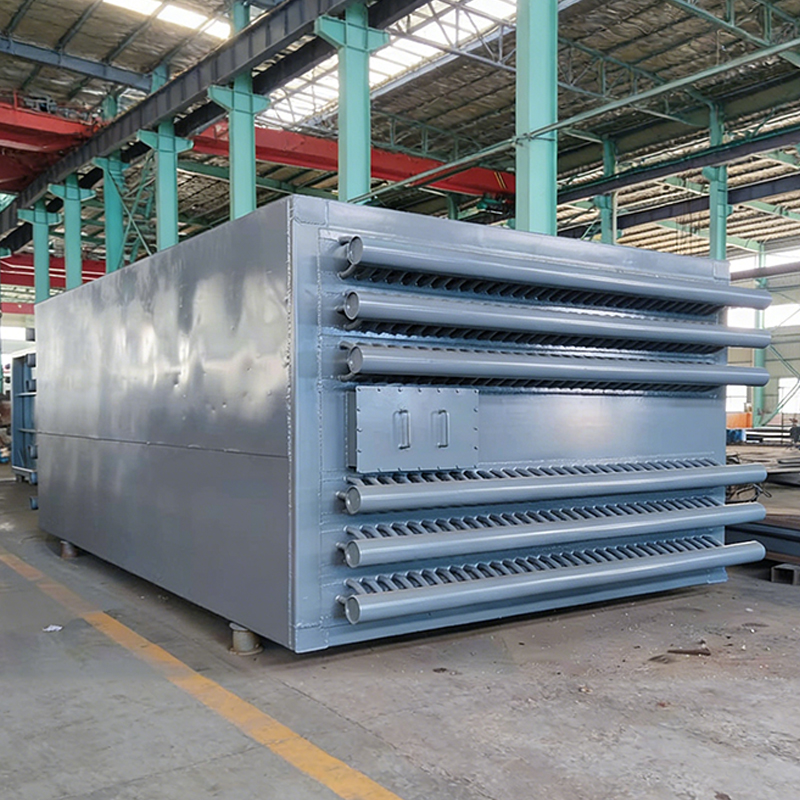
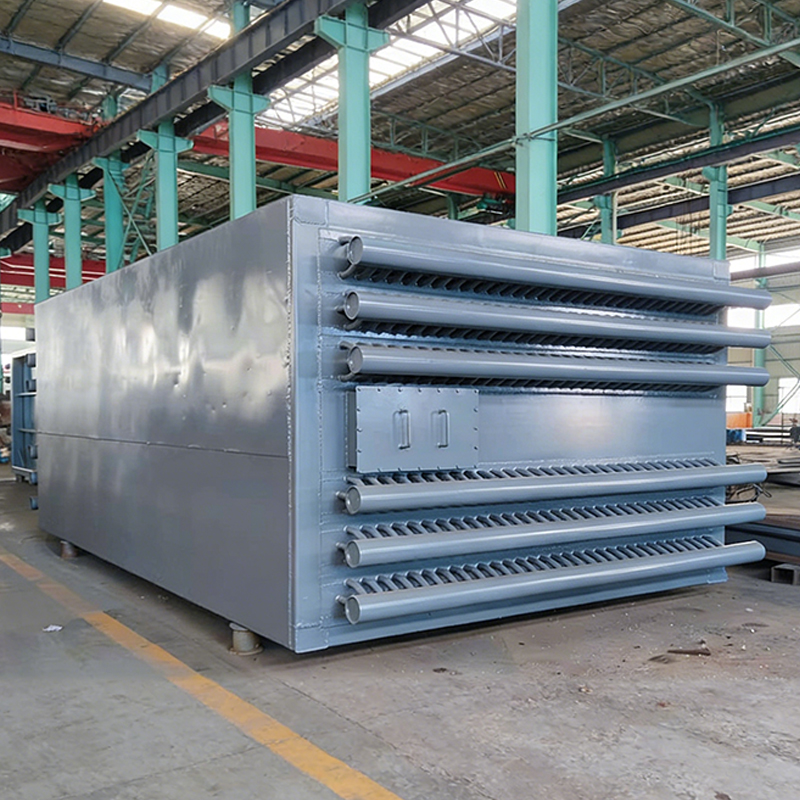
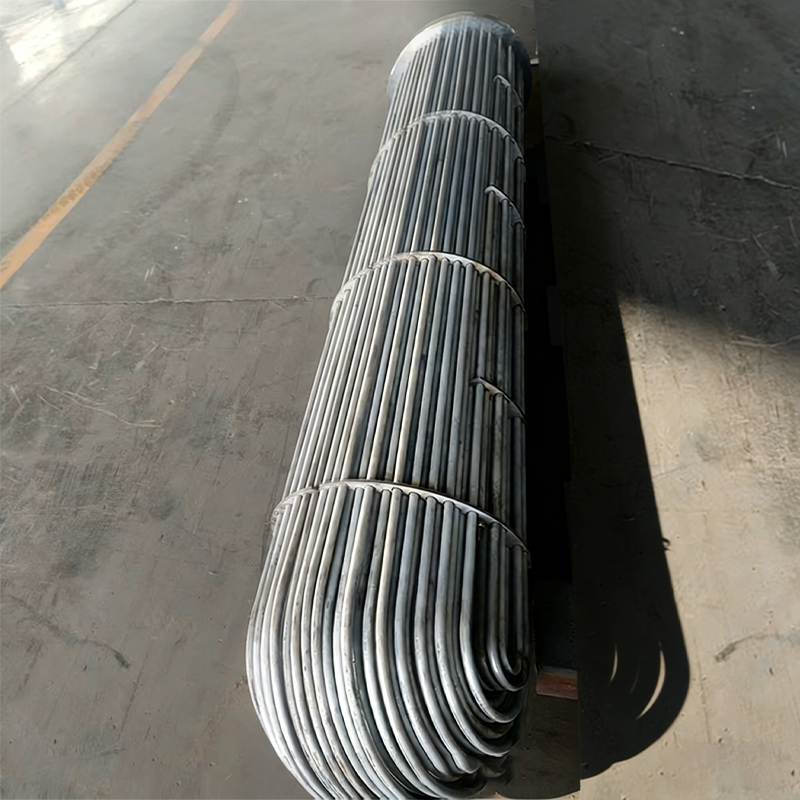
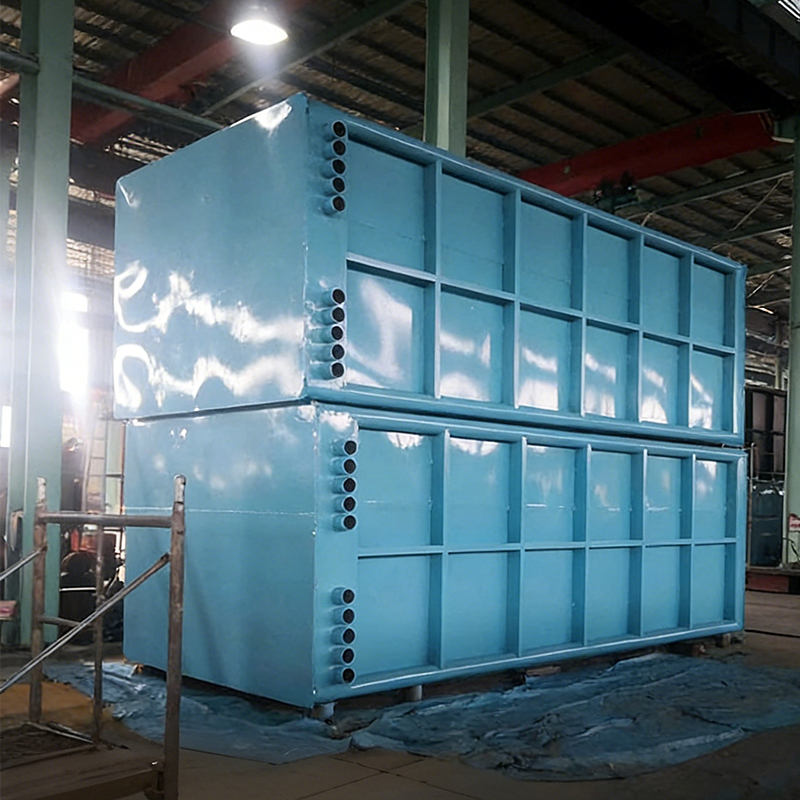
Evaporator And Heat Exchanger Equipment
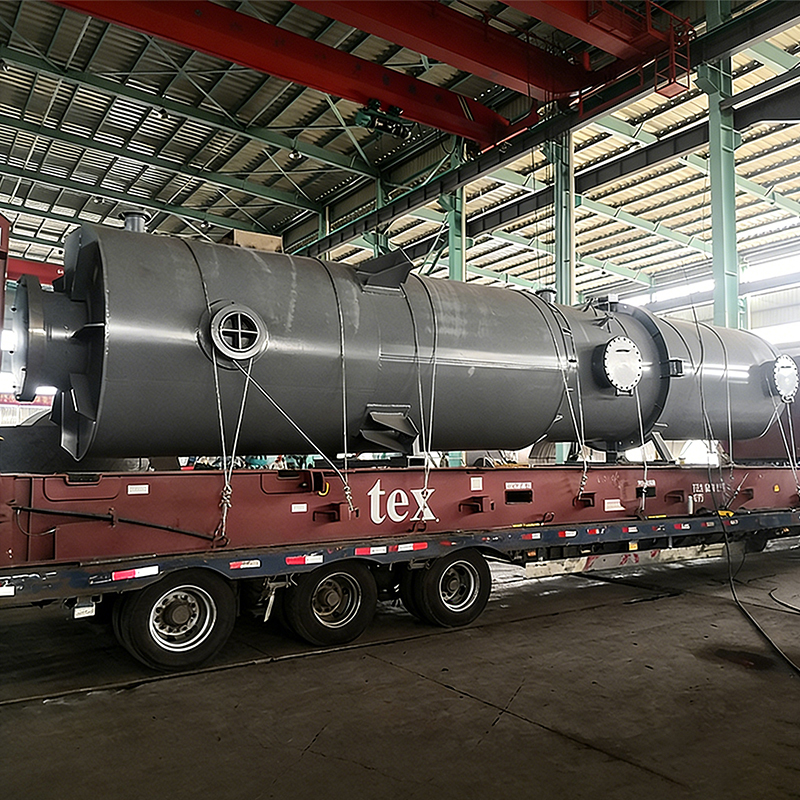
In the field of industrial process equipment, Storage Tanks and Columns are core unit devices for material storage and separation/purification. Unlike single-function containers or reactors, this product combination is designed for large-scale, continuous industrial operations. Storage Tanks primarily focus on the static storage of materials, ensuring a stable supply and quality balance of raw materials, intermediates, or finished products. Their design emphasizes capacity, isolation, and long-term stability. Columns, on the other hand, represent efficient dynamic separation processes, widely used in mass transfer operations such as distillation, absorption, and extraction. They achieve high-purity separation of components through sophisticated internal column internals. The advantage of Storage Tanks and Columns lies in their collaborative working capabilities, forming a complete process chain from raw material reception to product purification. This specialized division of labor design results in significant differences in throughput, process efficiency, and system automation integration compared to general-purpose equipment, making them suitable for production scenarios requiring high reliability and precise process control.
1. Storage tanks are closed containers used to store liquids, gases, or solids. They are typically vertical or horizontal cylindrical structures, and mass transfer or chemical reactions generally do not occur inside them. Key Features: Single Function: Focused on storage, not involving substance separation or conversion. Simple Structure: Mainly composed of tank body, end caps, inlet/outlet pipes, and support structure. Uniform Internal Space: No complex internal components (some fixed-roof tanks may have internal support columns). Common Types: Fixed-roof Tanks: The most common type, suitable for non-volatile liquids. Floating Roof Tanks: Divided into internal and external floating roofs, reducing the evaporation of volatile substances. Horizontal Tanks: Small footprint, suitable for small to medium capacity liquid storage. Spherical Tanks: High pressure resistance, used for high-pressure gases or liquefied gases. Cryogenic Tanks: Used for storing extremely low-temperature substances such as liquefied natural gas. 2. Columns are long, cylindrical devices with special internal structures (trays or packing) used for substance separation, mass transfer, or chemical reactions. Utilizes mass and heat transfer between different phases (gas-liquid or liquid-liquid) to achieve specific processes. Main Features: Complex Functions: Used for separating mixtures, absorbing gases, and conducting chemical reactions. Rich Internal Structure: Contains complex internal components such as trays, packing, and distributors.
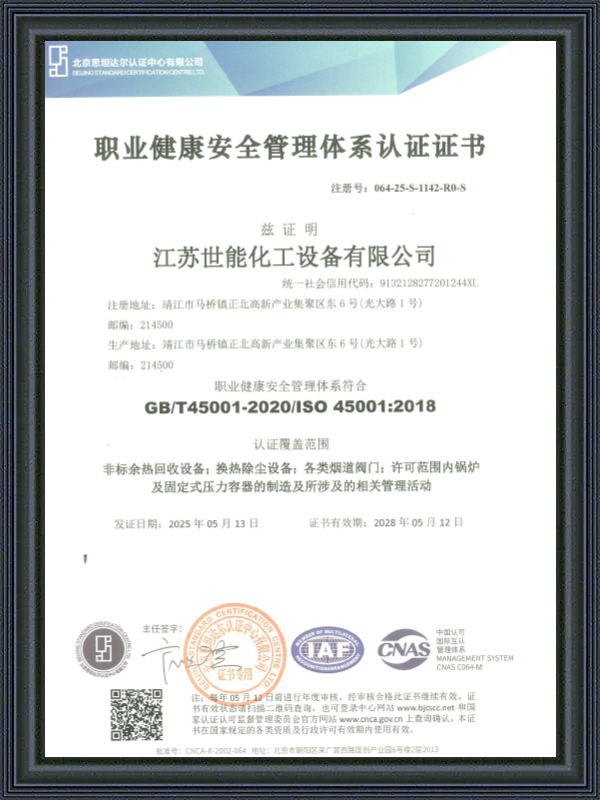
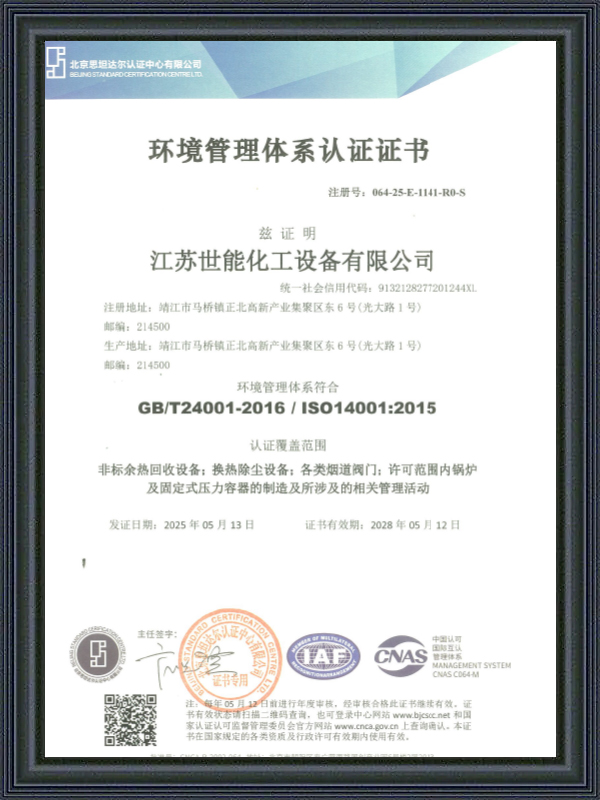
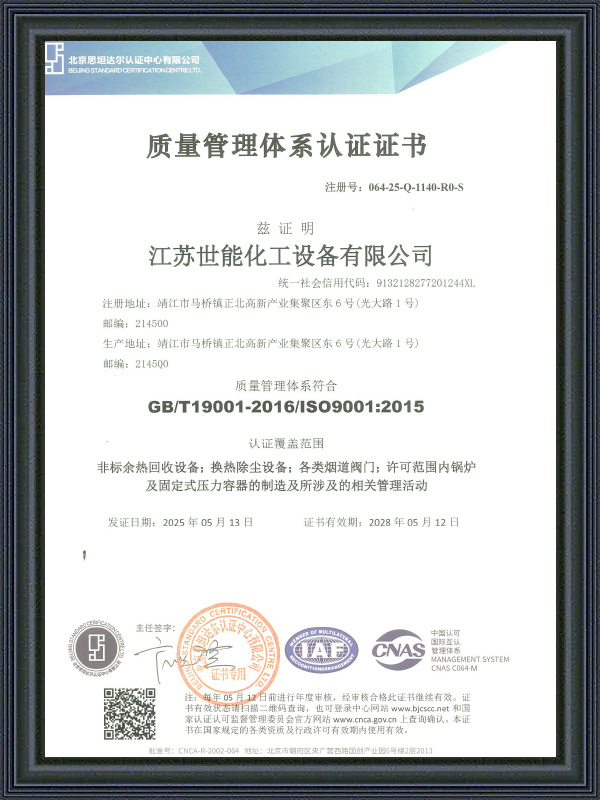
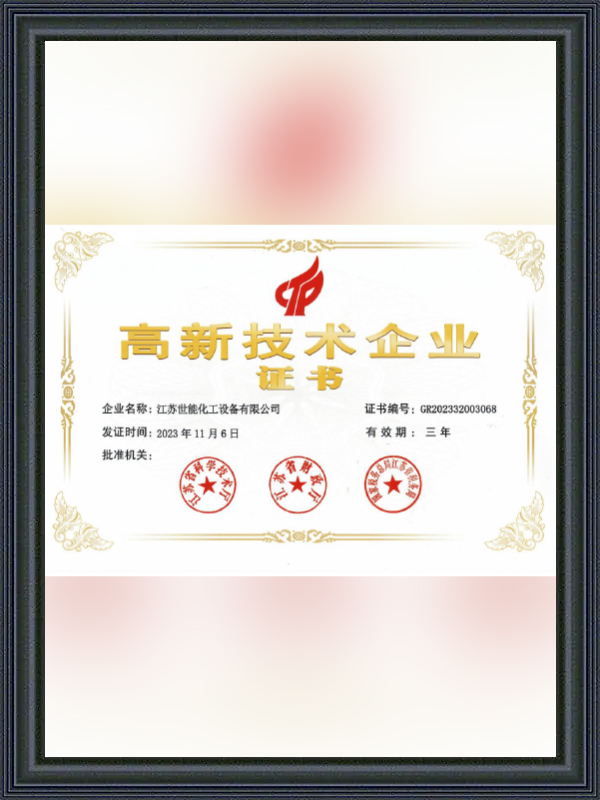
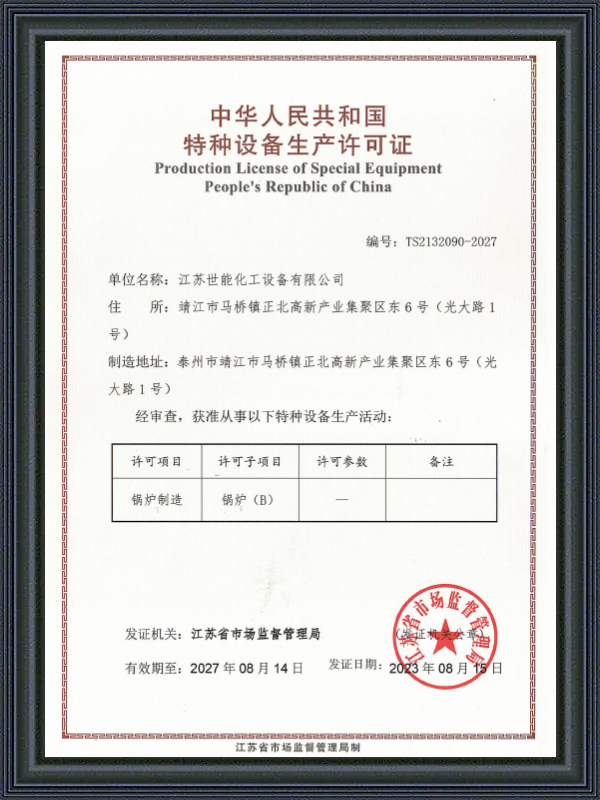
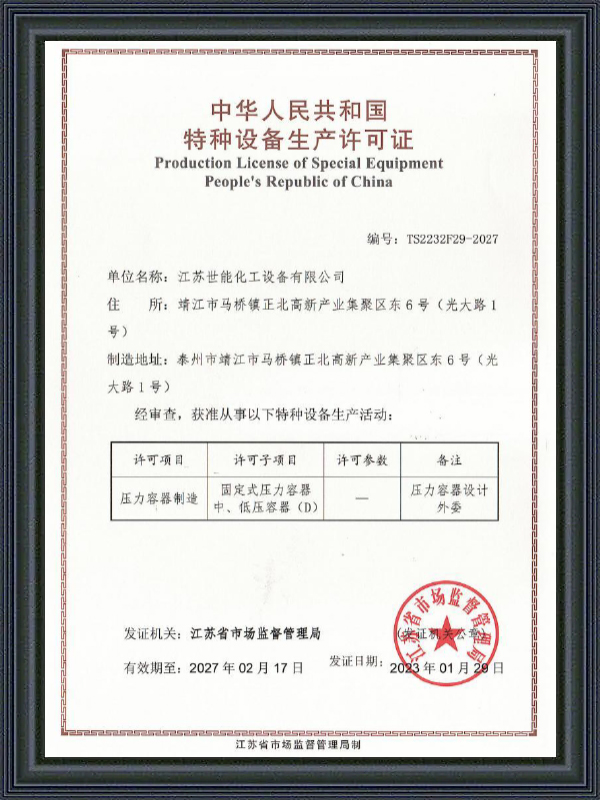
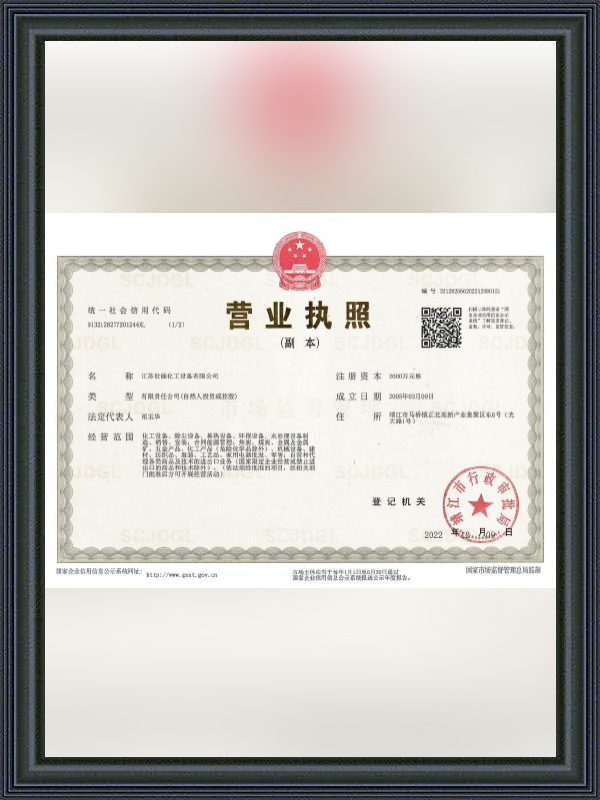
As China heat exchanger equipment manufacturers and hheat exchanger supplier, Jiangsu Shineng Chemical Equipment Co., Ltd, founded in 2005, the company specializes in the R&D and manufacturing of flue gas waste heat recovery systems and chemical equipment, possessing comprehensive in-house capabilities spanning from heat pipe development and nickel-based brazing to pressure vessel fabrication. Our products are widely used in coal chemical, metallurgy, power generation, and synthetic ammonia industries, and have been exported to overseas markets.
A puddle under the casing of an industrial boiler is rarely just a plumbing problem. On a 60 t/h coke oven flue gas waste heat boiler, water appearing along a casing seam usually points to one of three things: a failed tube-to-tubesheet weld, a thinned economizer tube, or a weeping handhole gasket....
Boiler Safety Relief Valve Leaking: The Short Answer Before the Details
If a boiler safety relief valve is leaking, treat it as a defect on the pressure boundary, not as a housekeeping nuisance. The valve is the last mechanical barrier standing between a pressurised drum and an overpressure event, ...
Why a Boiler PRV Leaks: The Conclusion First
At three in the morning, a warm puddle spreads across the floor under a boiler that was running perfectly the day before. The natural reaction is to assume the valve has failed and order a replacement. That reaction is usually wrong. A boiler PRV leaking...
What Is an Evaporator Heat Exchanger and How Does It Work? An evaporator heat exchanger is a specialized thermal device that absorbs heat from a surrounding medium (liquid, air, or process stream) to vaporize a refrigerant or process fluid. Unlike standard heat exchangers that maintain single-phase flow, the evaporator heat exchanger intentionally induces phase change from liquid to vapor, providing intense cooling capacity. Typical industrial evaporators achieve heat flux values between 15 to 40 kW/m² depending on the boiling regime. As a leading Evaporator And Heat Exchanger Equipment provider, Jiangsu Shineng Chemical Equipment Co., Ltd. delivers high-performance solutions. As China flue gas recovery unit manufacturer and waste heat recovery system company, Jiangsu Shineng Chemical Equipment Co., Ltd, founded in 2005, the company specializes in the R&D and manufacturing of flue gas waste heat recovery systems and chemical equipment, possessing comprehensive in-house capabilities spanning from heat pipe development and nickel-based brazing to pressure vessel fabrication. Our products are widely used in coal chemical, metallurgy, power generation, and synthetic ammonia industries, and have been exported to overseas markets. Our expertise as an Evaporator Equipment Manufacturer ensures reliable Industrial Evaporator systems for demanding process conditions.
In a typical falling film evaporator used in chemical plants, the overall heat transfer coefficient (U) ranges from 800 to 2500 W/m²·K for boiling water-based solutions, which is 3-4 times higher than sensible heat exchangers due to latent heat transfer. According to the 2025 Industrial Evaporator Handbook (IChemE), about 72% of all evaporator duties worldwide are handled by shell-and-tube or plate-type evaporator heat exchanger designs.
1. How Does an Evaporator Heat Exchanger Work? (Phase Change Mechanism)
The evaporator heat exchanger operates by receiving a warm liquid feed on one side while a cooler refrigerant or secondary fluid flows on the other side. Heat transfer causes the process fluid to reach its boiling point, generating vapor bubbles. The latent heat of vaporization (for water approximately 2260 kJ/kg) absorbs substantial thermal energy, producing a strong cooling effect. For China Heat Exchanger Equipment used in refrigeration, the refrigerant inside the tubes boils at -5°C to 10°C, chilling the surrounding brine or water. In industrial Process Evaporator applications like concentrating black liquor in pulp mills, steam condenses outside the tubes while the liquor boils inside, reaching vaporization rates of 15-30 tons per hour per unit. A well-designed custom heat exchangers solution from Jiangsu Shineng can achieve a temperature approach as low as 3-5°C, significantly reducing energy consumption.
Three key boiling regimes exist: nucleate boiling (most efficient), transition, and film boiling. For a typical Heat Exchanger Supplier design, the nucleate boiling regime provides heat transfer coefficients up to 5000 W/m²·K with moderate wall superheat (5-15°C). The critical heat flux (CHF) for water at atmospheric pressure is about 1.0 MW/m²; exceeding this leads to burnout.
2. Evaporator Heat Exchanger Performance by Design Type
Different evaporator configurations offer varying heat transfer coefficients and suitability for fouling services. The table below summarizes common types provided by Evaporator Equipment Manufacturer Jiangsu Shineng.
Horizontal bar analysis: This chart compares typical U values for different Evaporator And Heat Exchanger Equipment designs. Falling film evaporators achieve 1200-2500 W/m²·K, making them the preferred choice for Industrial Evaporator systems in sugar and chemical concentration plants. Forced circulation types, though lower (600-1200), handle scaling fluids reliably. Flooded shell-and-tube designs (800-1500) serve as large heat exchanger units in refrigeration and HVAC. Plate evaporators show the highest U (1500-3500) due to enhanced turbulence, ideal for clean services. As a Custom Heat Exchanger Manufacturer, Jiangsu Shineng selects the optimal type based on fluid properties, fouling tendency, and vaporization rate. In a recent dairy concentrate project, switching from forced circulation to falling film evaporator reduced heat transfer area by 34% and lowered steam consumption by 18%.
3. Heat Flux vs. Wall Superheat – Nucleate Boiling Performance
In an evaporator heat exchanger, heat transfer is directly related to the temperature difference between the heating surface and the boiling fluid. The chart below shows typical boiling curve for water-based fluids based on classic Nukiyama data (1934, verified by Rohsenow correlation).
Line graph interpretation: This curve reveals the three boiling regimes in an evaporator heat exchanger. At low superheat (below 5K), natural convection dominates with modest heat flux (5-20 kW/m²). Nucleate boiling (5K to 15K superheat) yields the highest heat transfer coefficients: heat flux increases dramatically from 20 kW/m² to the critical heat flux (CHF) of about 1100 kW/m² for water. For a Heat Exchanger Equipment Supplier like Jiangsu Shineng, designing within nucleate boiling ensures maximum efficiency and prevents tube burnout. The CHF point marks the transition to film boiling, where a vapor blanket drastically reduces heat transfer and risks equipment damage. Real-world Process Evaporator units typically operate at 15-30% of CHF for safe operation. For organic fluids (e.g., ammonia), CHF values range 300-600 kW/m² – data essential for custom heat exchangers in refrigeration.
4. Industrial Applications – Evaporator Heat Exchanger Capacity by Sector
As a leading Evaporator Equipment Manufacturer, Jiangsu Shineng supplies Industrial Evaporator systems across multiple sectors. The column chart shows typical water evaporation capacity (tons per hour) per single large heat exchanger unit.
Column chart insights: Different industries require distinct evaporator capacities. The pulp and paper sector uses the largest Industrial Evaporator Equipment – up to 24 tons/hour of water evaporated in concentrating black liquor. Chemical plants (evaporators for salt recovery) typically handle 12.5 t/h per unit. Food & dairy processing uses moderate capacities around 8.5 t/h due to heat-sensitive products. Pharmaceutical evaporators tend to be smaller (5.2 t/h) but require custom heat exchangers with sanitary finishes. For a recent project in Shandong, Jiangsu Shineng supplied a forced circulation Evaporator And Heat Exchanger Equipment for a soda ash plant, evaporating 18 tons of water per hour with a steam economy of 0.85 (single effect). The unit has operated for 18 months with less than 2% performance degradation.
When selecting heat exchanger companies, engineers compare evaporator designs based on five criteria. The radar below compares shell-and-tube evaporator (Jiangsu Shineng) vs. plate evaporator.
Radar chart assessment: The shell-and-tube evaporator heat exchanger (blue polygon) excels in pressure capacity (up to 4.0 MPa), fouling tolerance, and cleaning flexibility – tube bundles can be mechanically cleaned. Plate evaporators (red dashed) offer smaller footprint and lower initial cost but are limited to lower pressures (1.0-1.6 MPa) and less tolerant to scale. For China Heat Exchanger Equipment in high-fouling chemical services (e.g., brine concentration), Jiangsu Shineng recommends shell-and-tube evaporators. For clean services in food or pharmaceutical applications where custom heat exchangers with compactness are key, plate evaporators are suitable. As a full-line Heat Exchanger Supplier, we supply both types. Over 10 years of operation, a shell-and-tube evaporator typically requires two cleaning cycles per year vs. four for a plate unit, making total cost of ownership 25% lower for fouling services.
6. Why Choose Jiangsu Shineng as Your Evaporator Equipment Manufacturer
Evaporator Equipment Manufacturer with in-house R&D: heat pipe, nickel brazing, pressure vessel fabrication since 2005.
Custom heat exchangers for evaporator duty: falling film, forced circulation, rising film, and thermosiphon designs.
Large heat exchanger fabrication capability: shell diameters up to 3000 mm, tube lengths up to 12 meters.
Proven references: over 90 evaporator systems supplied to coal chemical, metallurgy, and synthetic ammonia industries worldwide.
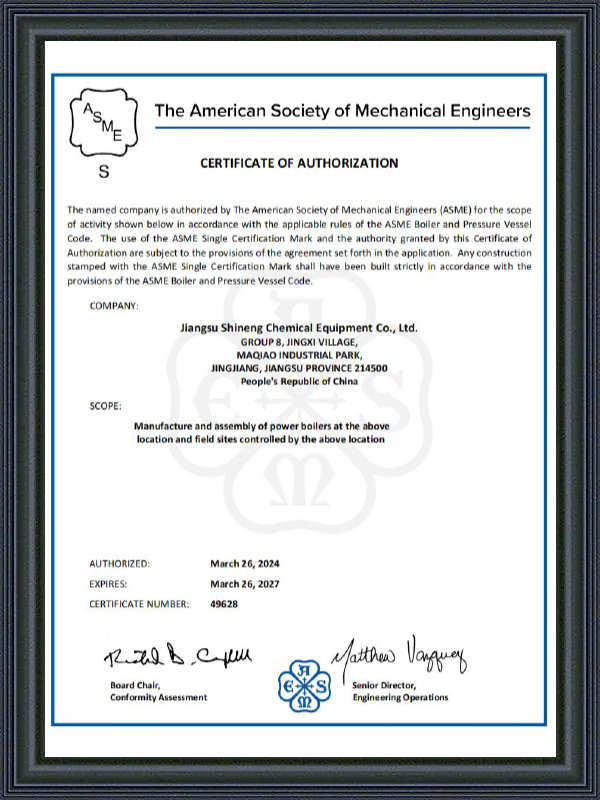
Our Evaporator And Heat Exchanger Equipment complies with ASME, GB150, and PED standards. We offer turnkey support from thermal design (HTRI software) to commissioning, ensuring optimal steam economy and product concentration.
7. Frequently Asked Questions about Evaporator Heat Exchangers
Q1: What is the difference between an evaporator and a standard heat exchanger?
A standard heat exchanger transfers sensible heat without phase change, while an evaporator heat exchanger induces boiling/vaporization. This latent heat transfer provides much higher heat transfer coefficients and cooling duty per unit area. Typical Industrial Evaporator units have U values 3-5 times higher than liquid-liquid exchangers.
Q2: How to prevent fouling in evaporator equipment?
Fouling is minimized by proper velocity design (1.5-3 m/s in tubes), periodic CIP cleaning, and selecting appropriate evaporator type (falling film for heat-sensitive, forced circulation for scaling fluids). Heat exchanger companies like Jiangsu Shineng provide oversizing margins of 15-25% to maintain performance between cleaning intervals.
Q3: What is steam economy in an evaporator heat exchanger?
Steam economy (kg water evaporated per kg steam consumed) is a critical metric. Single-effect evaporators achieve 0.7-0.9 economy; multi-effect systems (3-7 effects) reach 2.5 to 5.0. As a Custom Heat Exchanger Manufacturer, Jiangsu Shineng designs MEE (Multiple Effect Evaporator) trains improving energy efficiency by 40-60% compared to single-effect units.


 English
  русский
 Español