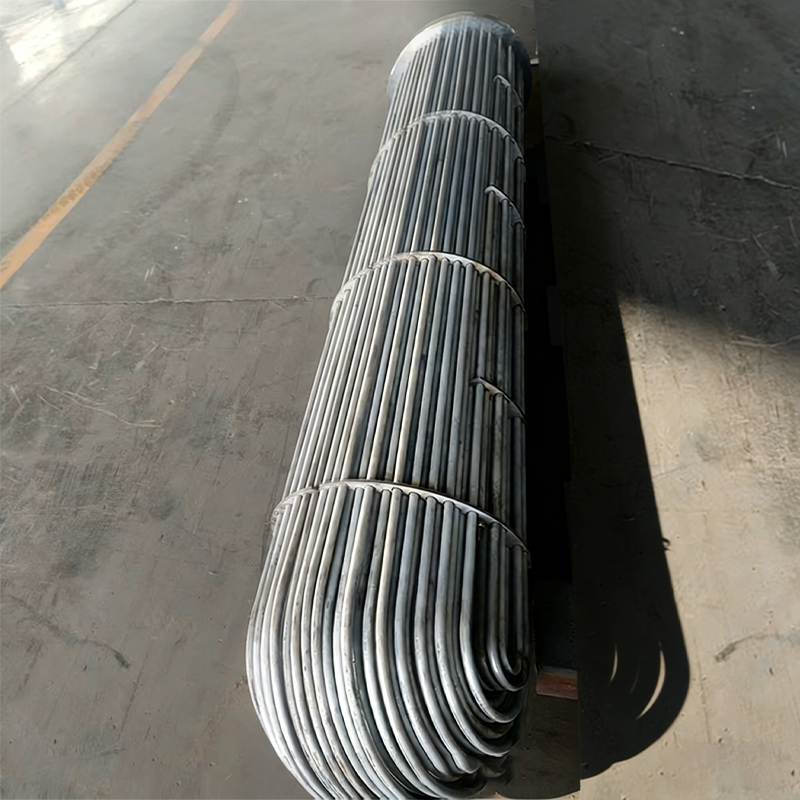
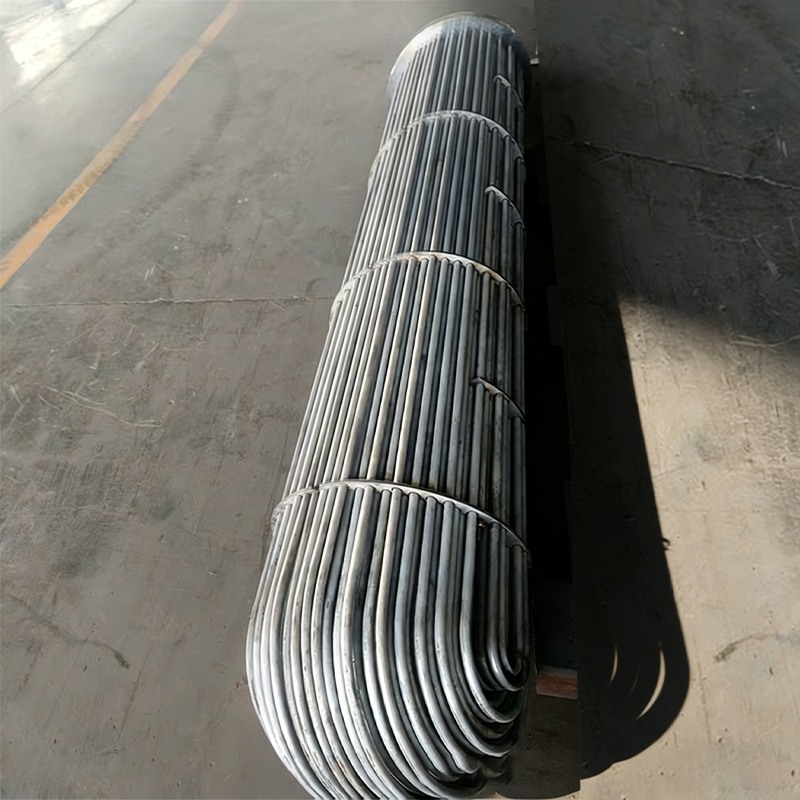
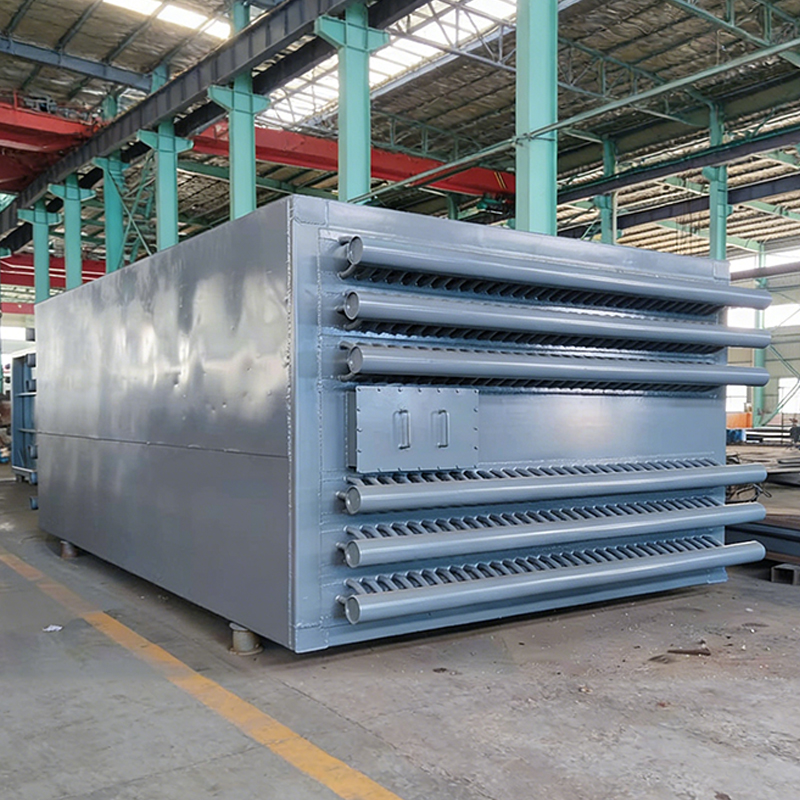
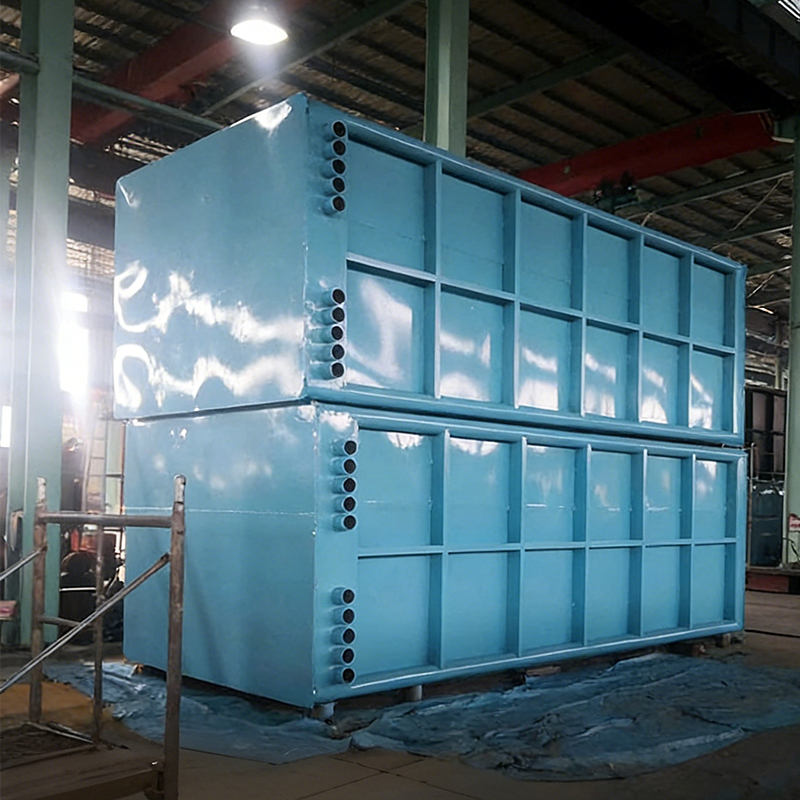
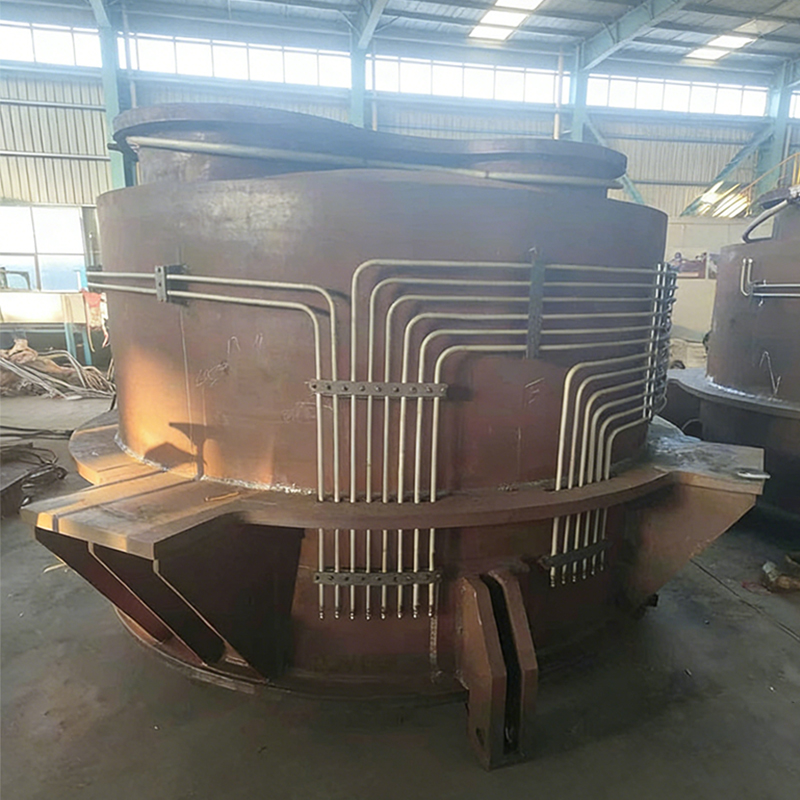
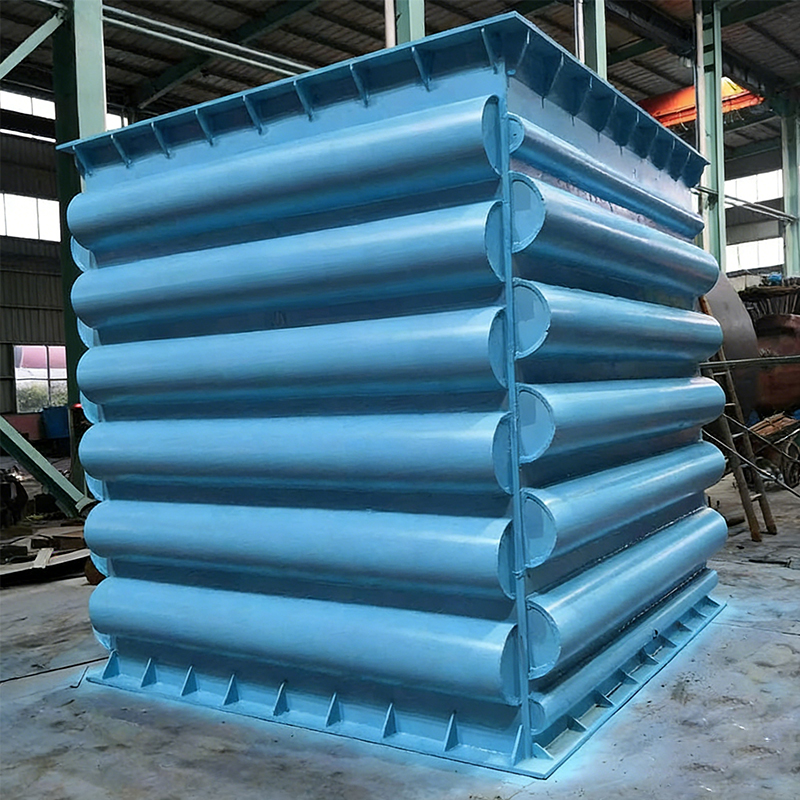
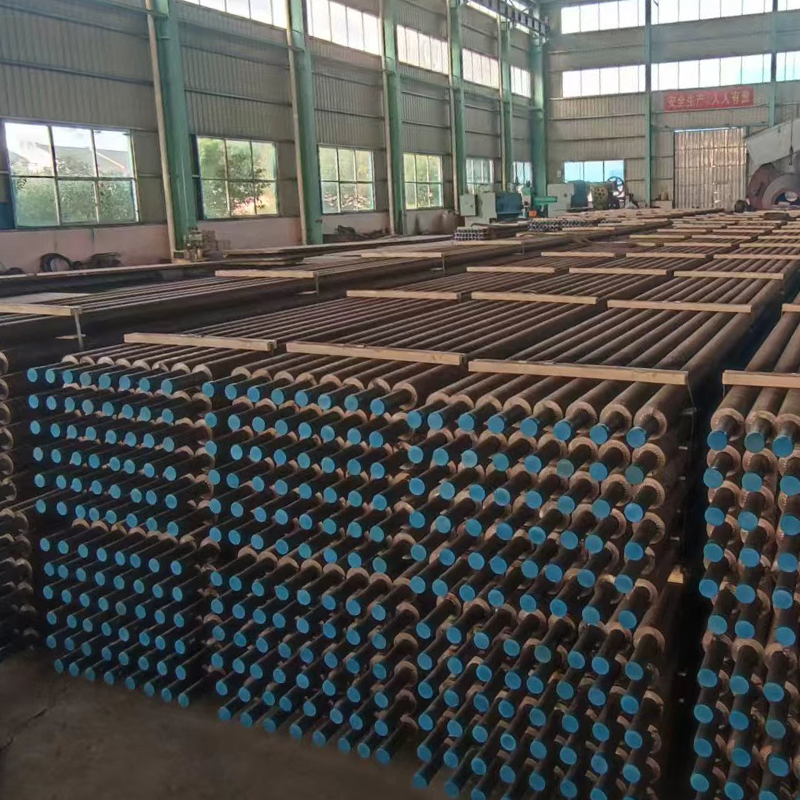
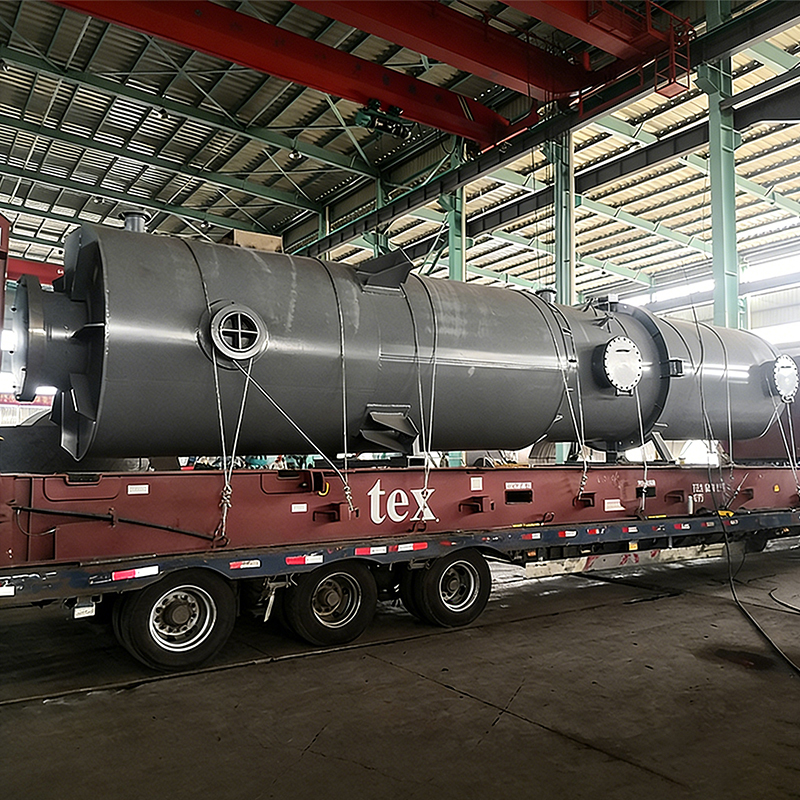
The Shell and Tube Heat Exchanger is a typical and universal industrial heat exchanger. Its core structure consists of a large shell (shell side) that houses the tube bundle and numerous pipes (tube side) enclosed within the shell. Two fluids at different temperatures flow in the shell side and tube side respectively, exchanging heat efficiently through the metal tube walls to achieve the purpose of heating, cooling or condensation.
Features: The key features of this device are reflected in its structural design: Robust Structure: Composed of a large cylindrical shell and an internally tightly arranged tube bundle, core components including tube sheets, baffles, and end caps, giving it extremely high mechanical strength. Material Diversity: The shell and tube bundle can be made from various materials, such as carbon steel, stainless steel, brass, titanium, and nickel-based alloys, to suit complex process conditions, depending on the corrosiveness, temperature, and pressure requirements of the medium. Flexible Configuration: Heat transfer efficiency and pressure drop can be optimized and controlled by adjusting the baffle spacing and cutting direction, tube length and diameter, and flow paths in the tube side and shell side (e.g., single-pass, multi-pass). Easy Maintenance: Fixed tubesheet or floating head designs allow the entire tube bundle to be removed from the shell for thorough inspection, cleaning, or replacement of damaged tubes, extending the equipment's lifespan.
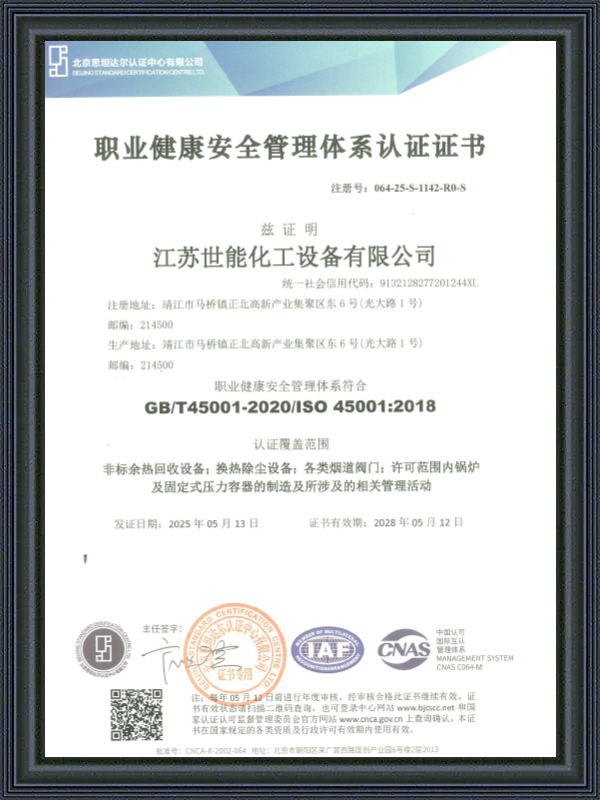
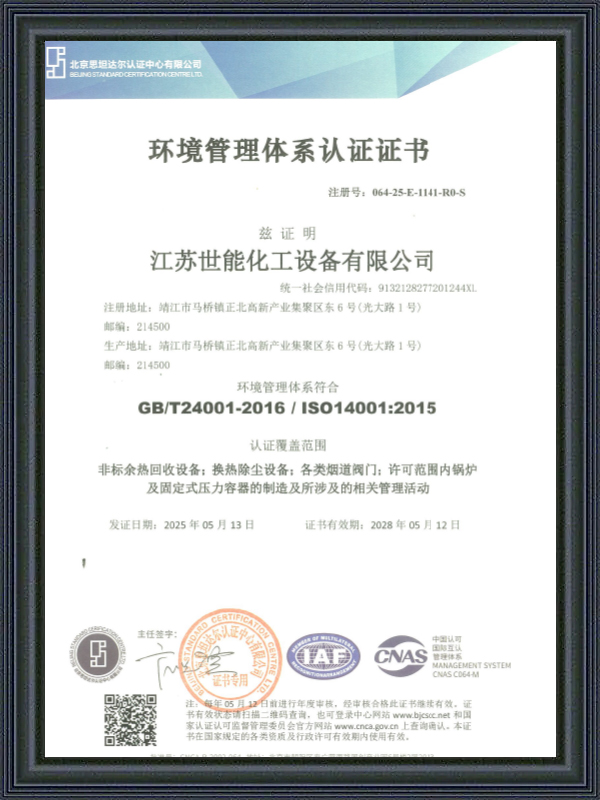
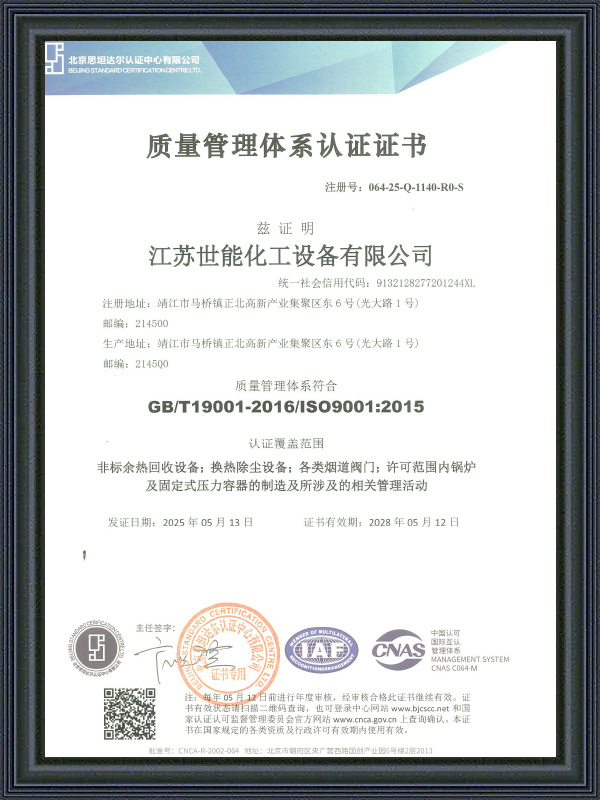
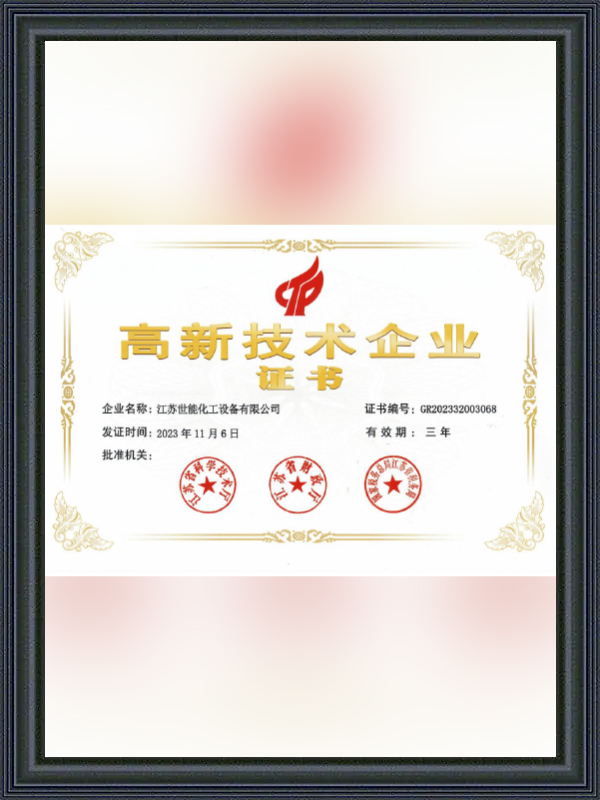
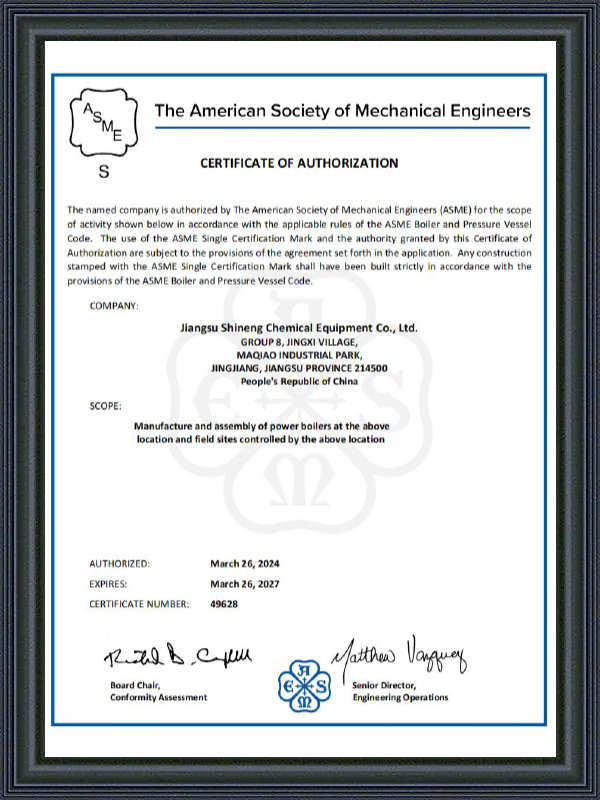
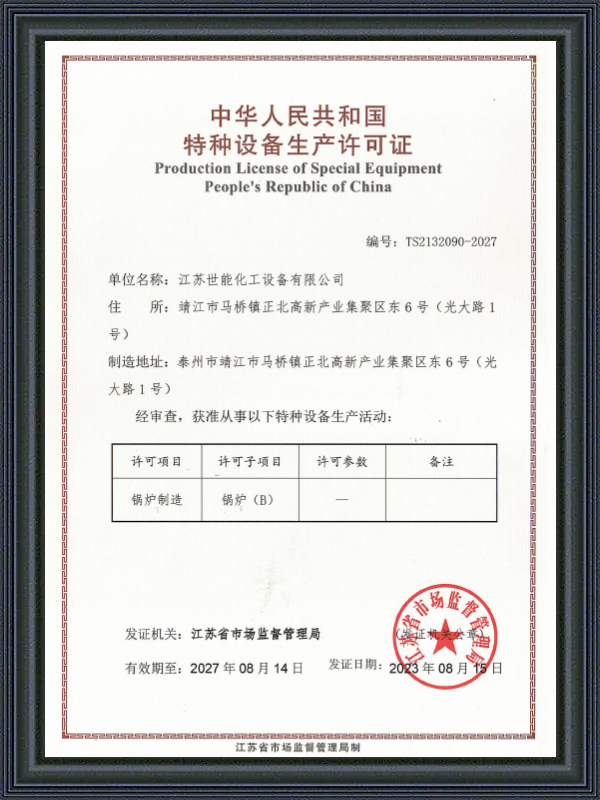
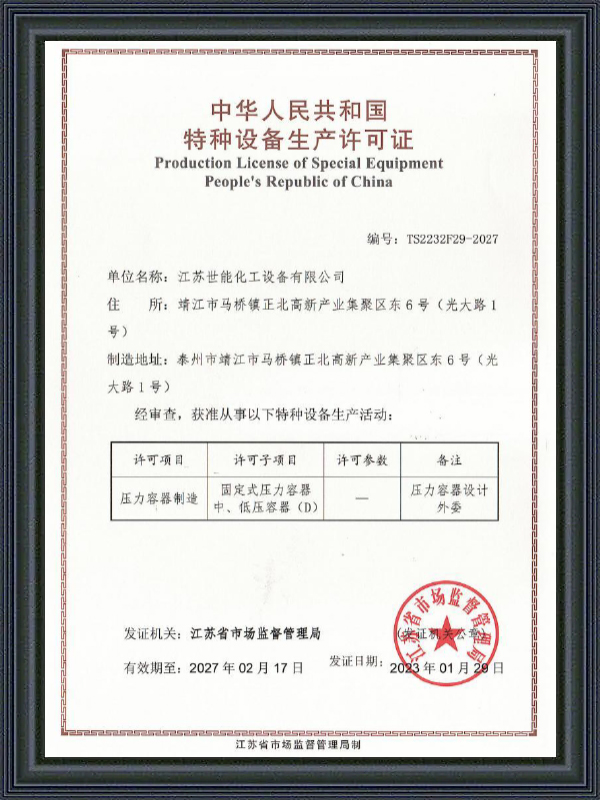
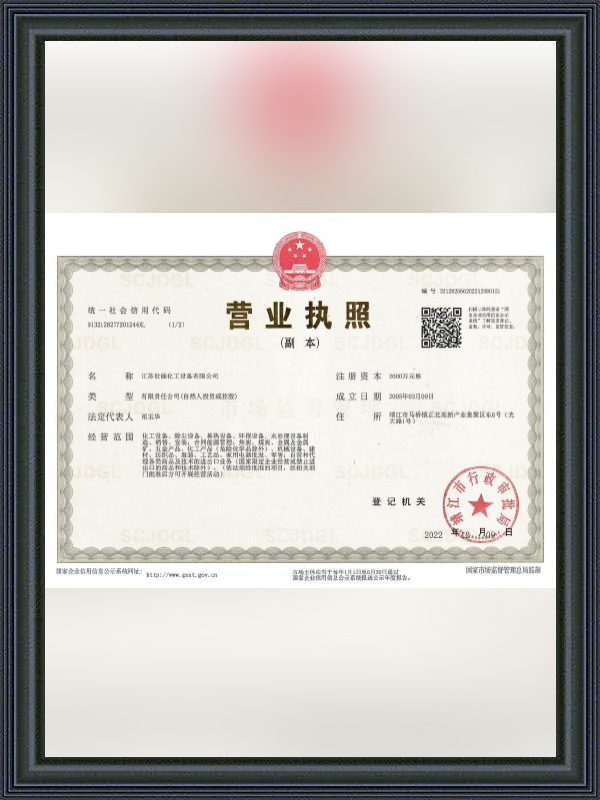
As China tube heat exchanger manufacturers and tube sheet heat exchanger supplier, Jiangsu Shineng Chemical Equipment Co., Ltd, founded in 2005, the company specializes in the R&D and manufacturing of flue gas waste heat recovery systems and chemical equipment, possessing comprehensive in-house capabilities spanning from heat pipe development and nickel-based brazing to pressure vessel fabrication. Our products are widely used in coal chemical, metallurgy, power generation, and synthetic ammonia industries, and have been exported to overseas markets.
A puddle under the casing of an industrial boiler is rarely just a plumbing problem. On a 60 t/h coke oven flue gas waste heat boiler, water appearing along a casing seam usually points to one of three things: a failed tube-to-tubesheet weld, a thinned economizer tube, or a weeping handhole gasket....
Boiler Safety Relief Valve Leaking: The Short Answer Before the Details
If a boiler safety relief valve is leaking, treat it as a defect on the pressure boundary, not as a housekeeping nuisance. The valve is the last mechanical barrier standing between a pressurised drum and an overpressure event, ...
Why a Boiler PRV Leaks: The Conclusion First
At three in the morning, a warm puddle spreads across the floor under a boiler that was running perfectly the day before. The natural reaction is to assume the valve has failed and order a replacement. That reaction is usually wrong. A boiler PRV leaking...
What Is a Shell and Tube Heat Exchanger and How Does It Work? A shell and tube heat exchanger is a widely used thermal device consisting of a cylindrical pressure vessel (shell) containing a bundle of tubes. One fluid flows inside the tubes (tube side), while another fluid flows around the tubes within the shell (shell side). Heat transfers across the tube walls, enabling efficient heating, cooling, or condensation. As a trusted Industrial Heat Exchanger Supplier, Jiangsu Shineng Chemical Equipment Co., Ltd. provides high-performance designs. As China flue gas recovery unit manufacturer and waste heat recovery system company, Jiangsu Shineng Chemical Equipment Co., Ltd, founded in 2005, the company specializes in the R&D and manufacturing of flue gas waste heat recovery systems and chemical equipment, possessing comprehensive in-house capabilities spanning from heat pipe development and nickel-based brazing to pressure vessel fabrication. Our products are widely used in coal chemical, metallurgy, power generation, and synthetic ammonia industries, and have been exported to overseas markets. Our China Tube Heat Exchanger solutions combine robust construction with customized thermal designs.
Typically, a shell & tube heat exchanger manufacturers design offers overall heat transfer coefficients ranging from 150 to 1200 W/m²·K depending on fluid properties and flow arrangement. More than 65% of industrial heat exchange duties globally (refining, petrochemical, power) rely on this technology (TEMA standards, 2024).
1. How Does a Shell and Tube Heat Exchanger Work? (Core Mechanism)
The shell type heat exchanger operates based on temperature gradient-driven conduction and convection. The hot fluid (either shell-side or tube-side) releases thermal energy, which crosses the tube wall thickness (typically 1.2–3.5 mm), and is absorbed by the cold fluid. Baffles inside the shell direct the shell-side fluid across the tube bundle multiple times, increasing turbulence and heat transfer coefficient by 40-60% compared to a straight-through design. A fixed-tubesheet tube sheet heat exchanger is commonly used for non-corrosive clean services, while floating-head or U-tube designs accommodate thermal expansion. For a typical oil cooler application (tube side: 85°C oil; shell side: 30°C cooling water), a well-designed China Shell and Tube Heat Exchanger achieves a log mean temperature difference (LMTD) correction factor above 0.85, and outlet oil temperature reduced to 42°C with water flow rate 1.5 times the oil rate.
A tube heat exchanger manufacturers like Jiangsu Shineng optimizes baffle spacing (0.2 to 0.5 of shell ID) and tube pitch (1.25–1.5 × tube OD) to balance heat transfer and pressure drop. Industry data (from Tubular Exchanger Manufacturers Association) indicates that for a 2-pass shell and 4-pass tube arrangement, the overall effectiveness can reach 75-85% for liquid-liquid duties.
2. Typical Design Parameters for Shell and Tube Heat Exchangers
The following table lists key design parameters used by shell and tube heat exchanger supplier Jiangsu Shineng for chemical and power applications. These values follow TEMA and ASME Section VIII guidelines.
Horizontal bar chart analysis: The chart compares heat transfer coefficients (U) for common fluid pairs using a well-designed shell and tube heat exchanger. For water-to-water duties, U typically ranges 850-1200 W/m²·K, making such exchangers compact. Steam condensing against water yields very high U (1000-1500) due to phase-change enhancement. Liquid-to-liquid applications like oil cooling (oil-water) show moderate U of 150-400; therefore more surface area is required. Gaseous services achieve the lowest U (30-100), demanding larger units. As a professional Industrial Heat Exchanger Supplier, Jiangsu Shineng optimizes baffle design and tube-side passes to push U values toward the higher end for each category. For a petrochemical plant processing 80,000 kg/h of crude oil, increasing U from 250 to 320 W/m²·K reduces required area by 22%, saving material cost and footprint.
3. Temperature Profile Along the Heat Exchanger (Counterflow vs. Parallel Flow)
A tube heat exchanger manufacturers typically recommend counterflow arrangement because it provides more uniform temperature difference. The line chart below shows temperature vs. length for a typical counterflow shell & tube heat exchanger manufacturers design (hot fluid: 180°C to 85°C, cold fluid: 30°C to 120°C).
Line graph interpretation: In a counterflow shell type heat exchanger, the hot fluid enters at 180°C and exits at 85°C while the cold fluid warms from 30°C to 120°C. The temperature curves maintain an almost constant driving force ΔT across the length, yielding a log mean temperature difference (LMTD) of around 46°C. For parallel flow, the LMTD would be only 31°C, requiring 48% more heat transfer area for the same duty. That’s why shell and tube heat exchanger supplier Jiangsu Shineng always recommends counterflow unless freezing concerns dictate otherwise. In a 4 MW heat recovery system for a synthetic ammonia plant, using counterflow vs. parallel flow reduced the tube bundle length from 5.2 m to 3.7 m, directly lowering capital investment and pressure drop by 18%.
4. Industrial Applications and Heat Transfer Performance by Sector
China Shell and Tube Heat Exchanger units serve critical roles across industries. The column chart shows typical heat duty ranges for our supplied tube sheet heat exchanger in different sectors (data based on 2025 project reviews).
Column chart insights: The bar heights illustrate typical thermal duties handled by one shell and tube heat exchanger in key industries. Power generation units often require large capacities (7.8 MW per exchanger) due to high feedwater heating demands. Metallurgical plants (steel, non-ferrous) report average duty 5.5 MW for flue gas heat recovery before entering baghouses. Petrochemical crackers operate with duties around 4.2 MW per exchanger, while coal chemical (methanol or synthetic ammonia) generally requires 3.0 MW units. Jiangsu Shineng as a leading Industrial Heat Exchanger Supplier has delivered over 380 shell and tube exchangers to these sectors. For a 2024 project in Inner Mongolia, a single shell-and-tube waste heat exchanger recovered 4.8 MW, reducing steam consumption by 12,000 tons annually, directly improving the plant’s carbon footprint.
Compared to plate or air-cooled exchangers, the shell type heat exchanger offers advantages in high pressure and fouling services. The radar chart rates four attributes for a typical shell and tube heat exchanger manufacturers design.
Radar chart assessment: The blue polygon (shell and tube) scores highest in high-pressure capability (up to 20 MPa in our designs), fouling tolerance, and wide temperature range (-30°C to 550°C). Maintenance ease is also high because tube bundles can be mechanically cleaned. In contrast, a plate heat exchanger (red dashed) offers lower cost per area and compactness but struggles with gasket limits (max 3.0 MPa) and fouling. For China Tube Heat Exchanger applications, metallurgical and coal chemical plants choose shell and tube heat exchanger supplier Jiangsu Shineng because of robust carbon steel or stainless steel construction. Over a 20-year lifecycle, a well-maintained shell and tube unit typically requires only two tube replacements, while a plate unit may need five gasket overhauls. This makes shell and tube the preferred choice for dirty, high-temperature streams.
6. Design & Manufacturing Features of Jiangsu Shineng Shell and Tube Exchangers
Custom tube layout: Triangular or square pitch, optimizing heat transfer versus cleaning access.
Material flexibility: carbon steel, stainless steel (304/316L), duplex, nickel alloys – suitable for corrosive or high-temperature shell side.
Advanced welding procedures for tube sheet heat exchanger ensuring leak-free tube-to-tubesheet joints (expansion and seal welding).
In-house heat pipe and nickel brazing capability also used in waste heat recovery systems, integrating exchangers with flue gas units.
All units hydrotested at 1.3× design pressure, with 100% radiographic testing on critical seams.
Jiangsu Shineng Chemical Equipment Co., Ltd. combines more than 300 shell and tube heat exchanger references worldwide. Our China Shell and Tube Heat Exchanger products are used in synthetic ammonia waste heat recovery, metallurgical furnace cooling, and power plant lube oil coolers. We also provide retrofitting and retubing services for existing shells, extending service life beyond 15 years.
7. Frequently Asked Questions about Shell and Tube Heat Exchangers
Q1: What is the difference between U-tube and fixed tubesheet shell and tube heat exchanger?
In a fixed tubesheet tube heat exchanger manufacturers design, both tube sheets are welded to the shell, limiting thermal expansion. U-tube bundles allow free expansion and easier cleaning, but the bend region restricts cleaning. Jiangsu Shineng recommends U-tube for large temperature differences (>100°C).
Q2: How to determine if a shell and tube heat exchanger is fouled?
A well-monitored shell type heat exchanger shows increased pressure drop and decreased outlet temperature of cold fluid. If overall U drops by 30% from design value, cleaning is recommended. Mechanical cleaning (tube brushing) or chemical circulation is applied based on deposit type.
Q3: Can you use a shell and tube heat exchanger for gas-gas heat recovery?
Yes, however gas-side heat transfer coefficients are low (30–100 W/m²·K). Extended surfaces (fins on tubes) are often used. As an Industrial Heat Exchanger Supplier, Jiangsu Shineng provides finned-tube shell and tube exchangers for flue gas heat recovery upstream of waste heat boilers, achieving efficiency up to 72%.


 English
  русский
 Español