Home / Products / Pre-RH Vacuum Furnace Regenerator
Pre-RH Vacuum Furnace Regenerator
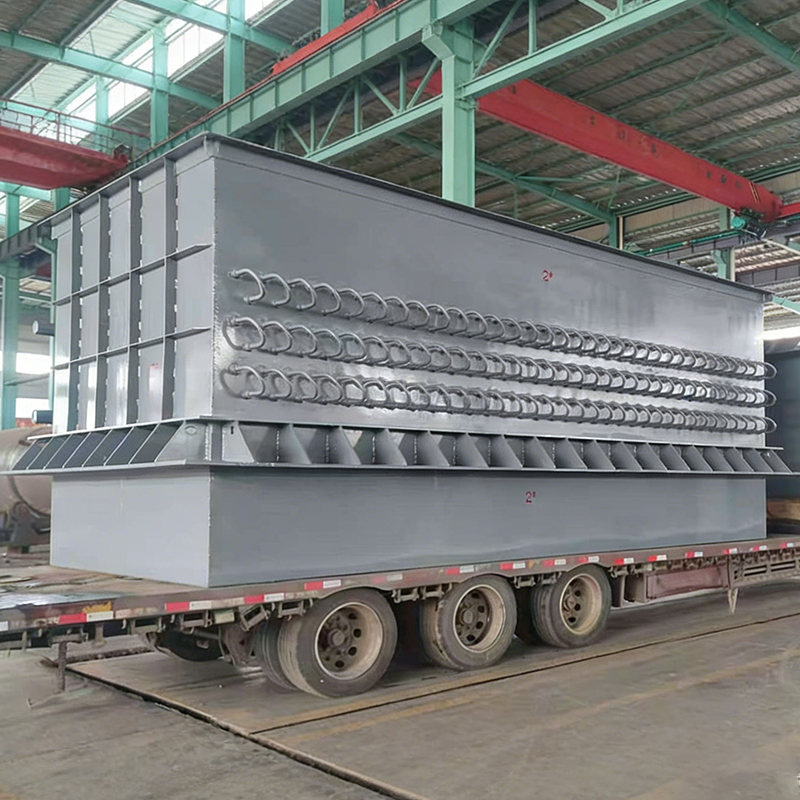
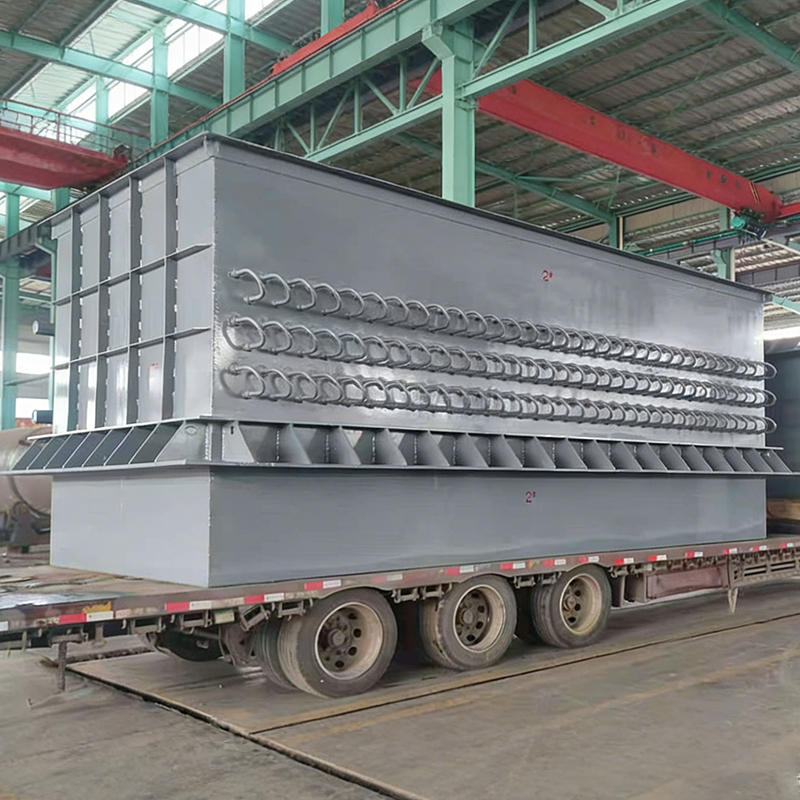
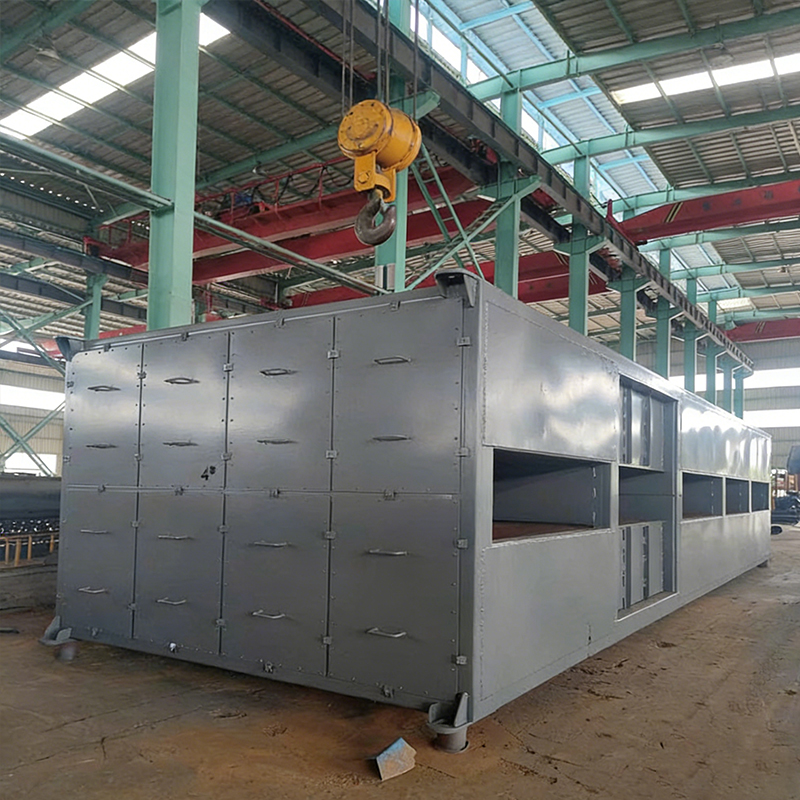
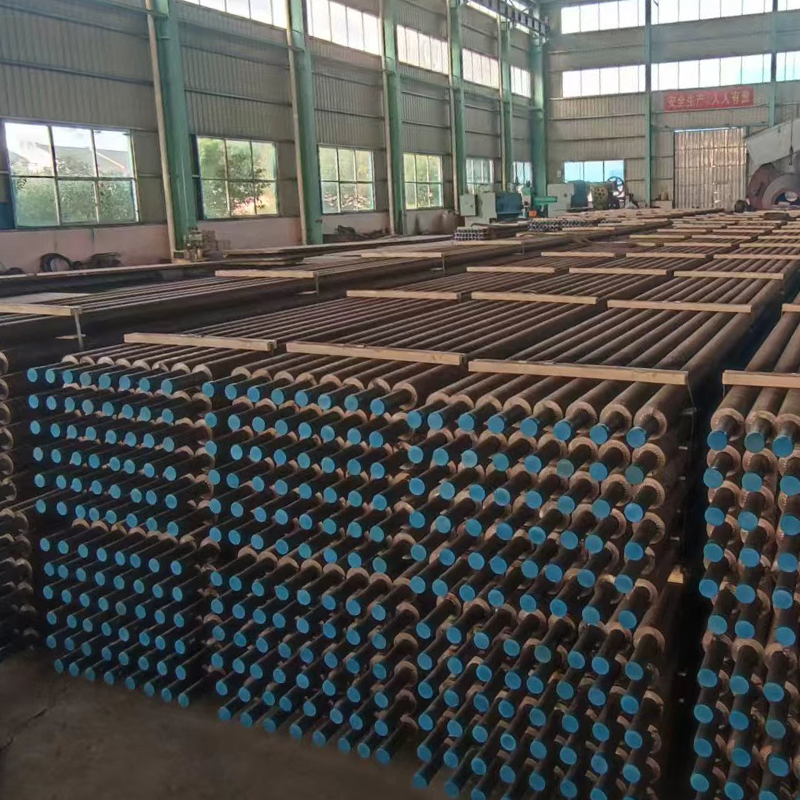
The Pre-RH Vacuum Furnace Regenerator is a key energy-saving device used in the RH refining process of steel smelting to recover and utilize the residual heat of the vacuum tank. By efficiently recovering the enormous amount of heat lost during the intermittent operation of the vacuum tank, it provides crucial technological support for improving energy efficiency and reducing environmental emissions in steel production.
Core Working Principle: Our regenerative burner system uses paired "regenerators" as the core heat exchange medium. Its working cycle is as follows: Regeneration Cycle: High-temperature flue gas (typically >1100°C) flows through the regenerator (usually ceramic spheres or honeycomb) on one side of the burner under the action of an induced draft fan, transferring most of its heat to the regenerator. The flue gas temperature is reduced to an extremely low level (typically <150°C) before being discharged. Reversing and Heat Release Cycle: The airflow direction is switched in a very short time (tens of seconds) using an advanced reversing valve. Combustion air enters from the other side, flowing counter-currently through the preheated heat storage medium, rapidly absorbing its stored heat and preheating to near furnace temperature (preheating temperature can reach over 1000°C). High-efficiency combustion: This high-temperature combustion air mixes and combusts with fuel at the burner nozzle, forming a high-speed, high-temperature flame that is injected into the furnace to heat the workpiece. Through this periodic alternating heat storage and release, the system achieves maximum recovery of waste heat from the flue gas, maximizing thermal efficiency. Core Product Advantages: 1. Improved thermal efficiency and reduced fuel consumption Flue gas waste heat recovery rate >90%: Maximum heat recovery through the heat storage medium; combustion air preheating temperature can reach over 1000°C. Exhaust gas temperature reduced to below 150°C: Achieves highly efficient energy utilization, directly reducing fuel consumption per unit of product. 2. Achieve High Temperature and High Uniformity Process Requirements Supports furnace temperature ≥1300°C: High-temperature preheated air ensures stable and efficient fuel combustion in vacuum or low-oxygen environments. Furnace temperature uniformity within ±3°C (according to AMS2750 standard): High-speed airflow enhances convective heat transfer, helping to reduce the temperature gradient within the furnace. 3. Reduce Nitrogen Oxide Emissions Utilizes high-temperature, low-oxygen combustion technology: Combustion zone characteristics and staged combustion principles effectively suppress the formation of thermal NOx. 4. Improve System Operating Economy and Durability Reduces downstream component heat load: Low-temperature flue gas emissions reduce thermal stress and material requirements on downstream piping and dust removal equipment. Key components use high-temperature resistant and thermal shock resistant materials: Specialized material selection for core units such as regenerators and reversing valves aims to extend system maintenance cycles and service life.
Typical Application Areas This system is widely used in various high-end manufacturing fields requiring high-temperature processing under vacuum or protective atmospheres: Aerospace: Vacuum heat treatment and brazing of high-temperature alloys and titanium alloys. New Energy: Ingot casting and diffusion processes for polycrystalline and monocrystalline silicon in the photovoltaic industry. High-end Tooling and Molds: Vacuum quenching and tempering of high-speed steel and cemented carbide. Semiconductor Industry: Sintering and purification of semiconductor materials. Precision Ceramics and Carbon Fibers: Graphitization of carbon materials and ceramic sintering.
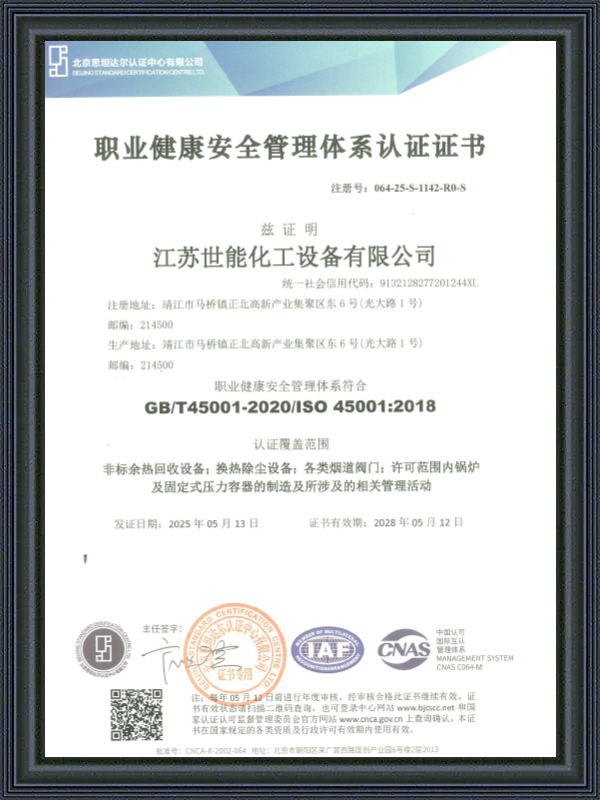
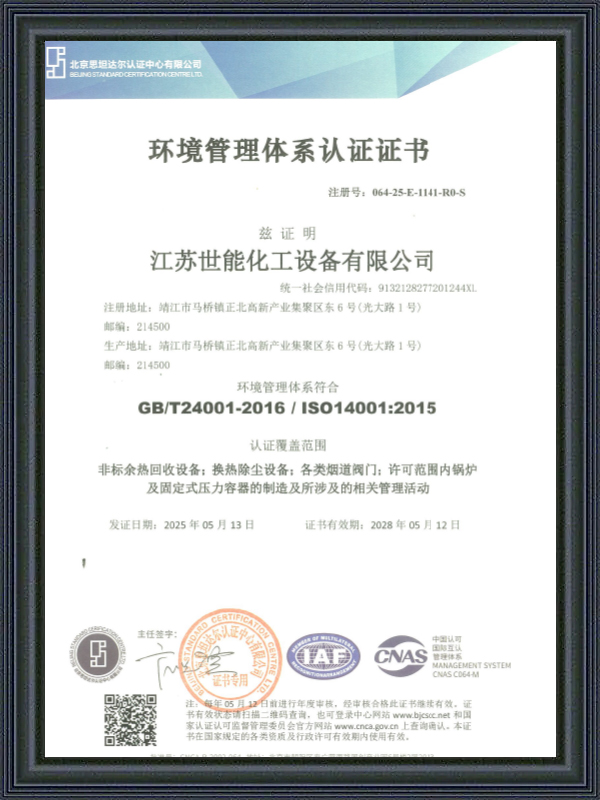
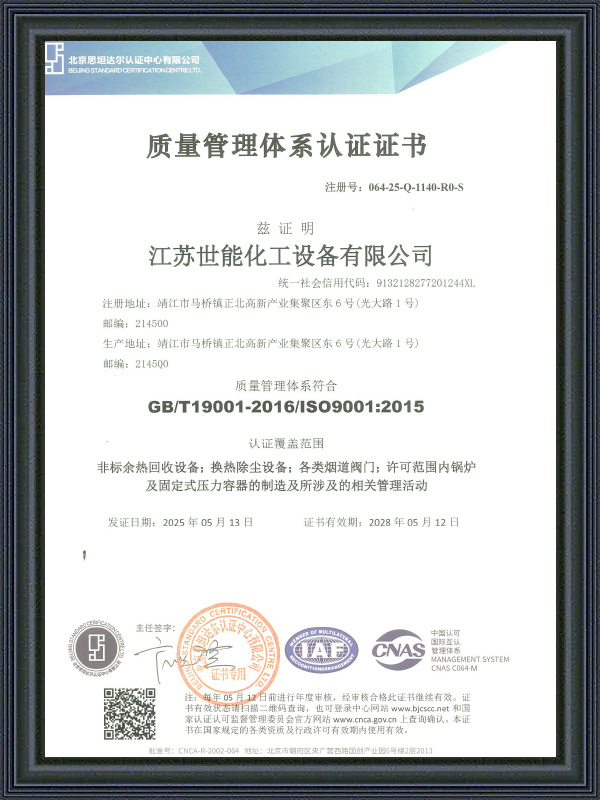
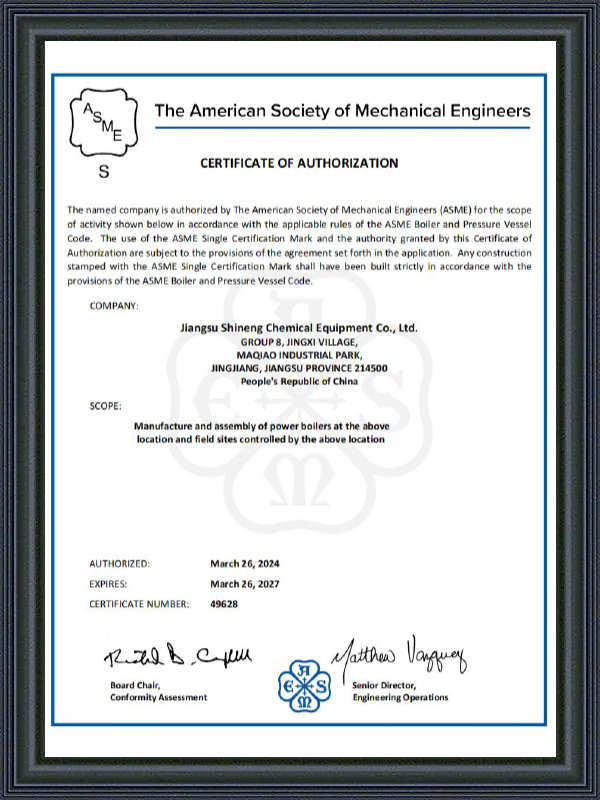
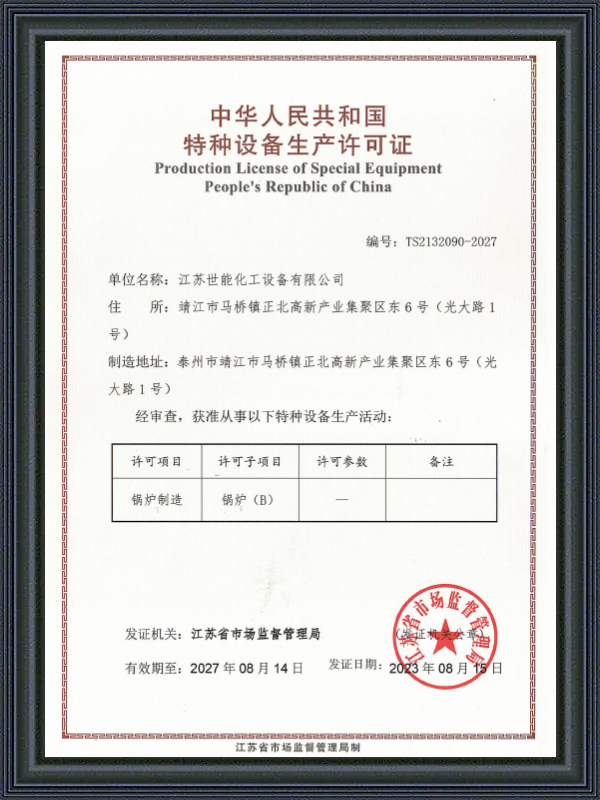
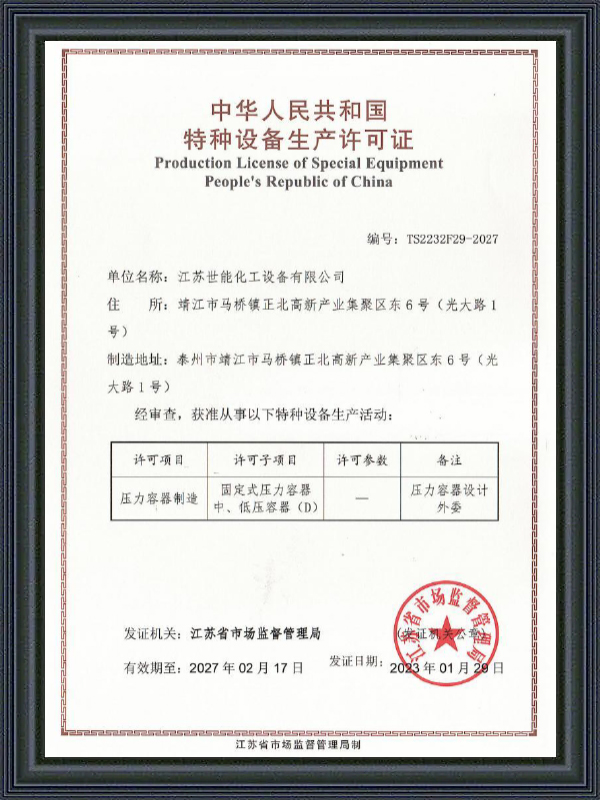
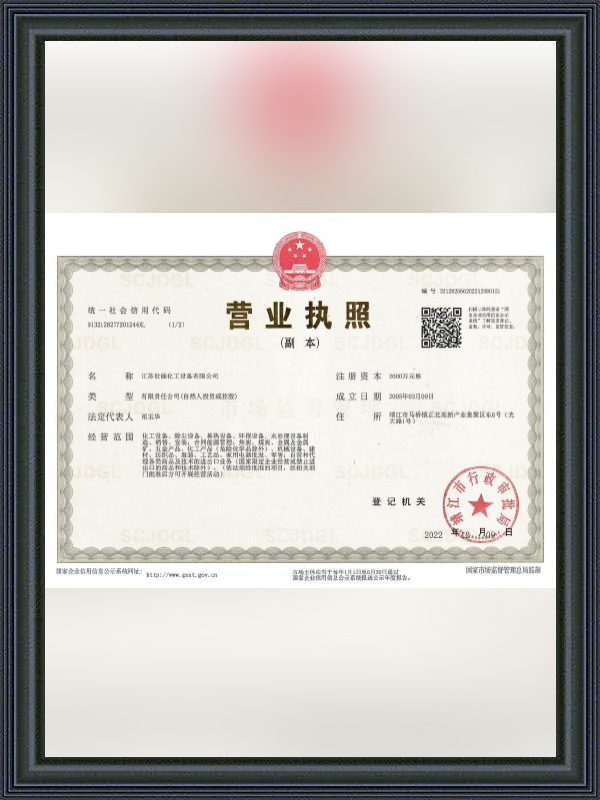
As China steel smelting regenerator manufacturer and vacuum furnace regenerator supplier, Jiangsu Shineng Chemical Equipment Co., Ltd, founded in 2005, the company specializes in the R&D and manufacturing of flue gas waste heat recovery systems and chemical equipment, possessing comprehensive in-house capabilities spanning from heat pipe development and nickel-based brazing to pressure vessel fabrication. Our products are widely used in coal chemical, metallurgy, power generation, and synthetic ammonia industries, and have been exported to overseas markets.
A puddle under the casing of an industrial boiler is rarely just a plumbing problem. On a 60 t/h coke oven flue gas waste heat boiler, water appearing along a casing seam usually points to one of three things: a failed tube-to-tubesheet weld, a thinned economizer tube, or a weeping handhole gasket....
Boiler Safety Relief Valve Leaking: The Short Answer Before the Details
If a boiler safety relief valve is leaking, treat it as a defect on the pressure boundary, not as a housekeeping nuisance. The valve is the last mechanical barrier standing between a pressurised drum and an overpressure event, ...
Why a Boiler PRV Leaks: The Conclusion First
At three in the morning, a warm puddle spreads across the floor under a boiler that was running perfectly the day before. The natural reaction is to assume the valve has failed and order a replacement. That reaction is usually wrong. A boiler PRV leaking...
What Is a Vacuum Furnace Regenerator? Avacuum furnace regenerator is a high-efficiency thermal energy recovery device used in steel smelting and metallurgical vacuum processes, specifically the RH (Ruhrstahl-Heraeus) refining cycle. The pre-RH vacuum furnace regenerator captures and stores waste heat from intermittent high-temperature flue gases (typically exceeding 1100°C) released during vacuum tank operation. Using paired ceramic or honeycomb regenerators, the system alternates between heat absorption and release cycles, preheating combustion air to near furnace temperature (up to 1000°C) and reducing exhaust gas temperature to below 150°C. As a China vacuum furnace regenerator specialist, Jiangsu Shineng Chemical Equipment Co., Ltd. delivers advanced regenerative burner systems. As China flue gas recovery unit manufacturer and waste heat recovery system company, Jiangsu Shineng Chemical Equipment Co., Ltd, founded in 2005, the company specializes in the R&D and manufacturing of flue gas waste heat recovery systems and chemical equipment, possessing comprehensive in-house capabilities spanning from heat pipe development and nickel-based brazing to pressure vessel fabrication. Our products are widely used in coal chemical, metallurgy, power generation, and synthetic ammonia industries, and have been exported to overseas markets. As a trusted vacuum furnace regenerator supplier and steel smelting regenerator manufacturer, Jiangsu Shineng helps steel plants achieve energy savings of 25-35% in RH refining processes.
The global steel industry emits approximately 3.4 gigatons of CO₂ annually; waste heat recovery from vacuum furnaces can reduce this by up to 8%. A typical RH degassing unit processes 200-300 tons of liquid steel per batch, with flue gas heat loss representing 12-18% of total energy input. The China pre-RH vacuum furnace regenerator addresses this challenge through high-temperature, low-oxygen combustion technology.
1. How Does a Vacuum Furnace Regenerator Work? (Regenerative Cycle Mechanism)
The vacuum furnace regenerator operates on a dual-chamber alternating cycle using paired regenerators (ceramic spheres, honeycomb blocks, or structured packing). During the regeneration cycle, high-temperature flue gas (1100-1250°C) from the RH vacuum tank is drawn through regenerator A by an induced draft fan. As gas passes through the regenerator media (specific surface area 300-600 m²/m³), convective heat transfer occurs, raising the media temperature while cooling the flue gas to below 150°C. This cooled gas is then discharged to the stack. After a short period (typically 30-60 seconds), an advanced reversing valve switches flow direction: combustion air now enters through regenerator A, absorbing stored heat and reaching preheat temperatures of 950-1050°C. Simultaneously, flue gas flows through regenerator B, heating it for the next cycle. The pre-RH vacuum furnace regenerator achieves a heat recovery efficiency exceeding 90%, with flue gas outlet temperatures consistently under 150°C (often 90-120°C). A full cycle duration ranges from 45 to 120 seconds depending on regenerator capacity and desired preheat level.
For a 210-ton RH degasser, switching from cold air combustion to regenerative preheating reduces natural gas consumption by 2.8 m³ per ton of steel, equivalent to 58,800 m³ annually per 300,000-ton production line. Jiangsu Shineng’s China vacuum furnace regenerator incorporates high-temperature resistant ceramics (Al₂O₃ content >95%) and thermal shock-resistant materials, ensuring stable operation at 1300°C furnace temperatures.
2. Heat Recovery Efficiency Comparison – Vacuum Furnace Regenerator vs. Conventional Systems
The table below compares key performance indicators between a conventional recuperator and a modern vacuum furnace regenerator as supplied by Jiangsu Shineng. Data based on RH refining operations (2025 industry benchmarks).
Horizontal bar analysis: The chart illustrates the significant performance advantage of the vacuum furnace regenerator over conventional recuperators. Standard recuperators achieve only 40-60% heat recovery due to limited heat transfer surface and single-pass design. In contrast, the pre-RH vacuum furnace regenerator achieves 88-95% recovery, meaning almost all waste heat from flue gas is reused. For a typical 210-ton RH degasser consuming 12,000 m³ of natural gas per batch, moving from 55% to 92% heat recovery saves 4,440 m³ per batch. Over 2,000 batches annually, fuel savings reach 8.88 million m³, reducing CO₂ emissions by approximately 17,600 tons per year. This is why leading steel mills specify China vacuum furnace regenerator systems from experienced vacuum furnace regenerator supplier Jiangsu Shineng for new RH installations and retrofits.
3. Fuel Savings vs. Combustion Air Preheat Temperature
In a vacuum furnace regenerator system, fuel consumption decreases as combustion air preheat temperature increases. The line chart below quantifies this relationship for natural gas firing (excess air 10%). Data derived from standard combustion engineering calculations.
Line graph interpretation: This curve shows how fuel savings increase with higher air preheat temperatures – a key benefit of the vacuum furnace regenerator. At 200°C preheat (typical for simple recuperators), fuel saving is only 12%. At 500°C, saving reaches 22%. However, the pre-RH vacuum furnace regenerator achieves 950-1050°C preheat, delivering 38-41% fuel savings compared to cold air combustion. For a steel smelting facility operating a 100 MW RH furnace, a 41% fuel saving translates to 41 MW of recovered thermal power, eliminating approximately 120,000 tons of CO₂ annually. The near-linear relationship indicates that every 100°C increase in preheat adds 4-5% fuel efficiency. This makes the China pre-RH vacuum furnace regenerator an essential technology for decarbonizing secondary steelmaking.
4. Environmental Impact – CO₂ Reduction by Industrial Sector
As a steel smelting regenerator manufacturer, Jiangsu Shineng has installed systems across multiple high-temperature industries. The column chart shows average annual CO₂ reduction per vacuum furnace regenerator installation by sector (based on 2020-2025 project data).
Column chart insights: The vacuum furnace regenerator provides the greatest CO₂ reduction in the steel industry (RH degassing), cutting about 16,800 tons of CO₂ annually per installation – equivalent to removing 3,600 passenger cars from roads. Aerospace heat treatment facilities (vacuum brazing and solution treating) achieve 9,500 tons reduction due to high-temperature cyclic operations. Semiconductor material processing (silicon ingot annealing) and high-end tooling (vacuum hardening) also show significant reductions of 6,200-7,800 tons. As a China vacuum furnace regenerator supplier, Jiangsu Shineng has delivered systems that cumulatively reduce CO₂ by over 380,000 tons since 2018. These figures align with the IEA Net Zero Scenario, which recommends regenerative burners for all new high-temperature vacuum furnaces by 2030.
5. Technical Advantages – Vacuum Furnace Regenerator vs. Non-Regenerative Systems
The pre-RH vacuum furnace regenerator outperforms conventional systems across five critical metrics. The radar chart compares a regenerative system (Jiangsu Shineng) versus a standard non-regenerative burner for RH degassing.
Radar chart assessment: The blue polygon (regenerative vacuum furnace regenerator) scores significantly higher across all attributes. Fuel efficiency reaches 9.5/10 due to >90% heat recovery. Temperature uniformity within the vacuum furnace improves to 9/10 (achieving ±3°C according to AMS2750 standard) because preheated air enables stable flame characteristics. NOx reduction scores 8.5/10 – the high-temperature, low-oxygen combustion principle suppresses thermal NOx formation by 45-55% compared to conventional burners. Heat recovery performance is 10/10. In contrast, a non-regenerative burner (red dashed) scores 3/10 on fuel efficiency and 2/10 on heat recovery. For a steel smelting regenerator manufacturer, these advantages translate directly to lower operating costs and improved environmental compliance. Jiangsu Shineng’s China pre-RH vacuum furnace regenerator has been proven in over 40 metallurgical installations with documented furnace temperature uniformity of ±2.8°C at 1250°C.
6. Core Advantages of Jiangsu Shineng Vacuum Furnace Regenerator Systems
Heat recovery efficiency >90%: Flue gas waste heat recovery rate through ceramic honeycomb regenerator; air preheat temperature reaches 950-1050°C; exhaust gas temperature reduced to below 150°C.
High temperature and uniformity: Supports furnace temperature ≥1300°C; furnace temperature uniformity within ±3°C per AMS2750 standard; high-speed airflow reduces temperature gradient.
NOx reduction technology: High-temperature, low-oxygen combustion effectively suppresses thermal NOx formation; meets local emission standards without selective catalytic reduction (SCR).
Durable construction: High-temperature resistant regenerator media (Al₂O₃ >95%, thermal shock resistant); specialized reversing valve designed for >500,000 cycles.
Proven applications: RH degassing (200-300 ton capacity), vacuum brazing, titanium alloy heat treatment, silicon ingot annealing, and carbon fiber graphitization.
Jiangsu Shineng, as a leading vacuum furnace regenerator supplier and steel smelting regenerator manufacturer, provides complete regenerative burner systems including regenerator vessels, reversing valves, PLC control, and combustion management. Our systems are fully compatible with existing RH degassing operations and can be retrofitted with minimal downtime (typical installation 10-14 days).
7. Frequently Asked Questions about Vacuum Furnace Regenerators
Q1: What is the typical switching cycle time for a vacuum furnace regenerator?
For pre-RH vacuum furnace regenerator systems, the reversing valve switches flow direction every 30 to 90 seconds, depending on regenerator size and desired air preheat temperature. Shorter cycles (30-45s) provide more stable preheat temperature (±15°C), while longer cycles (60-90s) reduce valve wear. Jiangsu Shineng’s PLC-controlled system automatically optimizes cycle time based on furnace load.
Q2: What maintenance does the regenerator media require?
The ceramic honeycomb or ball regenerator media has a typical service life of 3-5 years in clean flue gas applications (e.g., natural gas firing). For steel smelting where dust may be present, periodic cleaning (every 12-18 months) by back-blowing with compressed air is recommended. Replacement media is available from Jiangsu Shineng as a China vacuum furnace regenerator supplier.
Q3: Can a vacuum furnace regenerator be retrofit to an existing RH degasser?
Yes. Retrofitting a vacuum furnace regenerator to an existing RH vacuum tank involves installing new regenerator modules, reversing valves, and control system. Jiangsu Shineng has completed 12 retrofits in Asia and Europe. Payback period is typically 18-24 months based on natural gas savings. The retrofit does not affect vacuum integrity or refining performance when properly engineered.


 English
  русский
 Español