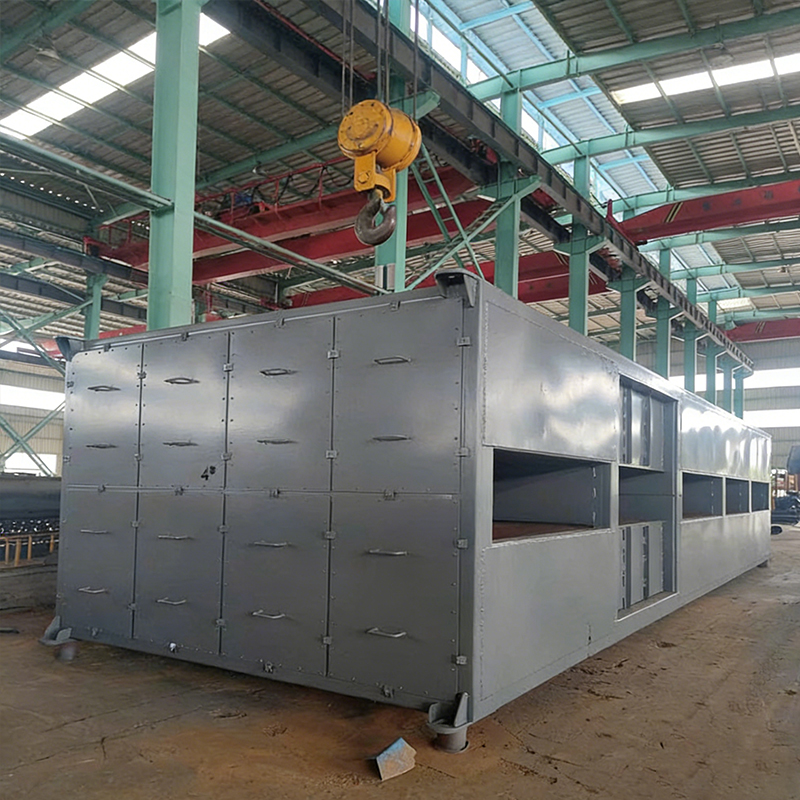
An air preheater is a heat exchanger installed in the flue gas duct at the boiler's tail end. It recovers waste heat from the flue gas to heat the combustion air entering the boiler. In a typical boiler system, the air preheater is the last device to recover heat from the flue gas.
Core Functions: Improving Boiler Efficiency: This is the primary purpose. By preheating the combustion air, the boiler requires less fuel to heat water into steam. Typically, boiler efficiency increases by about 1% for every 20°C increase in combustion air temperature. Improving Combustion Conditions: Hot air promotes more complete and stable combustion (especially for pulverized coal in power plant boilers), reducing the formation of unburned carbon particles and carbon monoxide. Drying and Preheating Fuel: In coal-fired boilers, hot air is typically used to transport pulverized coal to the burner and dry the coal before combustion, which is crucial for efficient combustion. Mitigating Low-Temperature Corrosion: By increasing the temperature of metal components at the boiler tail end (such as economizers), it helps prevent dew point corrosion caused by the condensation of sulfuric acid vapors from the flue gas on the walls. Main Types of Air Preheaters: 1. Tubular Air Preheater: A simple static heat exchanger. Working Principle: Flue gas flows through the tube, while combustion air flows laterally across the tube. The metal tube wall acts as a heat transfer surface, transferring heat from the flue gas to the air. 2. Rotary Air Preheater: A dynamic, continuously rotating heat exchanger. Working Principle: The core component is a rotor filled with heat storage elements (corrugated metal plates), slowly rotated by a motor. Flue Gas Side: Part of the rotor passes through the flue gas passage, where the heat storage elements absorb heat from the flue gas. Air Side: The other part of the rotor passes through the air passage, where the high-temperature heat storage elements release the stored heat to the cool air. Through the continuous rotation of the rotor, a cyclical heat absorption and release process is completed.
Application Scenarios: Power Industry: Especially for large coal-fired power plant boilers, it is a key piece of equipment for improving efficiency and reducing coal consumption. Metallurgical industry: Used in blast furnaces, heating furnaces, annealing furnaces, etc., to recover waste heat from high-temperature flue gas, saving fuel and increasing furnace temperature. Chemical and oil refining industries: Used in various process heating furnaces and boilers to improve the thermal efficiency of the entire production unit. Building materials industry: Such as cement kilns, glass melting furnaces, etc., utilizing waste heat for combustion, it is an important piece of equipment for achieving energy conservation and emission reduction.
Message Feedback
Related Products
About
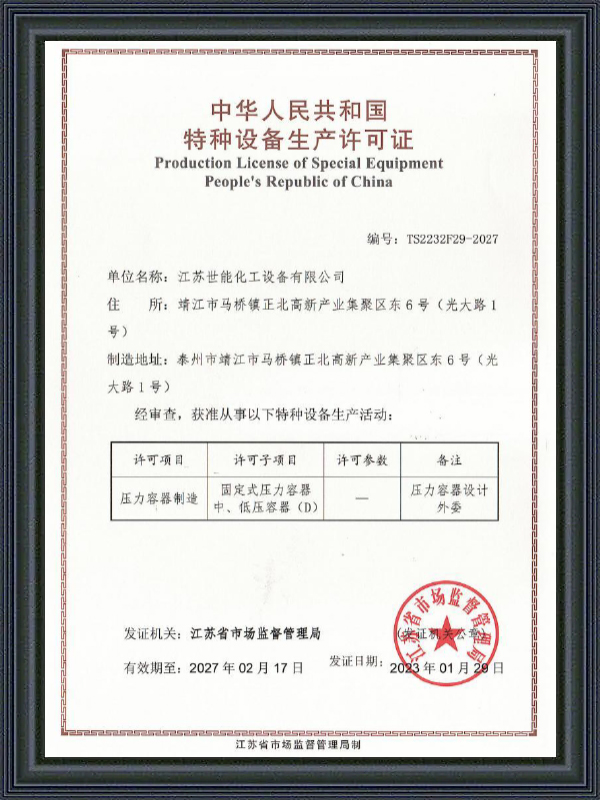
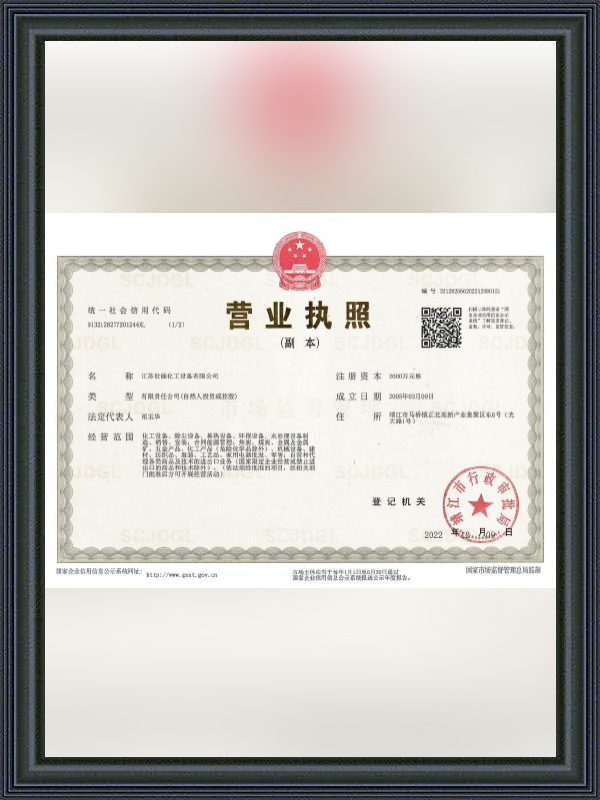
Jiangsu Shineng Chemical Equipment Co., Ltd.
As China air preheater boiler manufacturer and flue gas air preheater supplier, Jiangsu Shineng Chemical Equipment Co., Ltd, founded in 2005, the company specializes in the R&D and manufacturing of flue gas waste heat recovery systems and chemical equipment, possessing comprehensive in-house capabilities spanning from heat pipe development and nickel-based brazing to pressure vessel fabrication. Our products are widely used in coal chemical, metallurgy, power generation, and synthetic ammonia industries, and have been exported to overseas markets.
A puddle under the casing of an industrial boiler is rarely just a plumbing problem. On a 60 t/h coke oven flue gas waste heat boiler, water appearing along a casing seam usually points to one of three things: a failed tube-to-tubesheet weld, a thinned economizer tube, or a weeping handhole gasket....
Boiler Safety Relief Valve Leaking: The Short Answer Before the Details
If a boiler safety relief valve is leaking, treat it as a defect on the pressure boundary, not as a housekeeping nuisance. The valve is the last mechanical barrier standing between a pressurised drum and an overpressure event, ...
Why a Boiler PRV Leaks: The Conclusion First
At three in the morning, a warm puddle spreads across the floor under a boiler that was running perfectly the day before. The natural reaction is to assume the valve has failed and order a replacement. That reaction is usually wrong. A boiler PRV leaking...
What Is an Air Preheater in a Boiler? An air preheater in a boiler is a heat recovery device that captures waste heat from flue gas exiting the boiler furnace and transfers it to incoming combustion air. By raising the combustion air temperature, the air preheater boiler system improves thermal efficiency, reduces fuel consumption, and lowers greenhouse gas emissions. Typically, flue gas leaves the boiler economizer at 250-350°C, and an air pre heater in boiler can reduce this exhaust temperature to 120-160°C while preheating combustion air to 200-300°C. As a China air preheater specialist, Jiangsu Shineng Chemical Equipment Co., Ltd. delivers high-performance flue gas recovery solutions. As China flue gas recovery unit manufacturer and waste heat recovery system company, Jiangsu Shineng Chemical Equipment Co., Ltd, founded in 2005, the company specializes in the R&D and manufacturing of flue gas waste heat recovery systems and chemical equipment, possessing comprehensive in-house capabilities spanning from heat pipe development and nickel-based brazing to pressure vessel fabrication. Our products are widely used in coal chemical, metallurgy, power generation, and synthetic ammonia industries, and have been exported to overseas markets. As a leading boiler air preheater manufacturer and air preheater supplier, Jiangsu Shineng helps industrial plants achieve boiler efficiency gains of 8-12%, translating to substantial fuel savings and carbon reduction.
According to the US Department of Energy, every 20°C increase in combustion air temperature improves boiler efficiency by approximately 1%. For a 100-ton per hour steam boiler, an air preheater boiler system can save 3,800-5,400 metric tons of coal equivalent annually. Over 180,000 industrial boilers worldwide (IEA data 2025) still operate without air preheaters, representing a massive opportunity for energy conservation.
1. How Does an Air Preheater in a Boiler Work? (Heat Transfer Mechanism)
The air preheater in a boiler operates on the principle of cross-flow or counter-flow heat exchange between hot flue gas and cold combustion air. Flue gas, after leaving the superheater and economizer sections (typically 280-350°C), enters the air preheater's gas side. Simultaneously, ambient combustion air (20-30°C) is forced through the air side by a forced draft fan. Heat transfers through metallic heat transfer surfaces—either tubular elements (shell-and-tube design) or rotating regenerative matrices (Ljungström type). In a typical tubular China flue gas air preheater, flue gas flows inside the tubes while air flows across the tube bundle in cross-flow. The heat transfer coefficient ranges from 30 to 60 W/m²·K for gas-to-gas service, requiring extended surface area (fins) to achieve compact designs. For a 150 t/h coal-fired boiler, a well-designed air preheater supplier system achieves flue gas temperature reduction from 320°C to 145°C, while raising air temperature from 25°C to 265°C. The recovered heat amounts to 4.8 MW, increasing overall boiler efficiency from 82% to 91% (based on higher heating value).
Two main types dominate the market: (1) tubular air preheaters with stationary tube bundles (low leakage, suitable for clean fuels), and (2) regenerative air preheaters (rotating matrix with sealing system, ideal for high-capacity units). Jiangsu Shineng's boiler air preheater manufacturer expertise covers both designs, with tubular units lasting 15-20 years and regenerative units requiring periodic seal replacement every 5-7 years.
2. Air Preheater Types Comparison – Tubular vs. Regenerative Designs
The table below compares key characteristics of the two main air preheater boiler configurations. Data based on ASME PTC 4.3 and Jiangsu Shineng field experience.
Table 1: Comparison of tubular vs. regenerative air preheater designs
Parameter
Tubular Air Preheater
Regenerative Air Preheater
Heat transfer efficiency (%)
55 – 70%
70 – 85%
Air leakage rate (%)
1 – 3%
5 – 12%
Typical footprint
Medium to large
Compact
Maintenance frequency
Low (cleaning tubes)
Moderate (seal adjustment)
Horizontal bar analysis: The chart illustrates the heat recovery capability of different air preheater boiler configurations. A boiler without an air preheater recovers zero waste heat from flue gas. Tubular China flue gas air preheater designs recover 55-70% of available heat, reducing flue gas temperature by 130-170°C. Regenerative air preheaters achieve 70-85% recovery, lowering exhaust temperatures further to 90-120°C. For a 200 MW coal-fired power plant, upgrading from a tubular to regenerative air pre heater in boiler increases recovered thermal power by approximately 3.2 MW, saving 8,200 tons of coal annually. However, regenerative units have higher air leakage (5-12%), which slightly offsets efficiency gains. As an experienced boiler air preheater manufacturer, Jiangsu Shineng helps clients select the optimal type based on fuel type, boiler size, and maintenance capabilities. For biomass and waste-to-energy boilers, tubular designs are preferred due to lower fouling susceptibility.
3. Boiler Efficiency Gain vs. Combustion Air Preheat Temperature
The relationship between air preheat temperature and boiler efficiency is well established. The line chart below shows efficiency gain relative to cold air operation (25°C baseline) for a typical industrial water-tube boiler firing natural gas.
Line graph interpretation: The curve shows that increasing combustion air temperature yields nearly linear efficiency gains for typical air preheater boiler systems. Preheating air from 25°C to 150°C improves boiler efficiency by about 4.1 percentage points. At 200°C (common for tubular China air preheater designs), efficiency gain reaches 4.8%. Regenerative air preheater supplier systems achieving 280-300°C preheat deliver 6.8-7.2 percentage point gains. For a 50 t/h steam boiler operating 8,000 hours/year, each 1% efficiency gain saves approximately 1,200 metric tons of coal equivalent. Therefore, a 7% gain from installing an air pre heater in boiler reduces annual fuel costs by over $350,000 (based on $80/ton coal). The curve also shows diminishing returns above 320°C due to higher stack temperatures required to avoid acid condensation. Jiangsu Shineng optimizes preheat levels based on fuel sulfur content to prevent cold-end corrosion.
4. Fuel Savings by Boiler Capacity – Air Preheater Installation Impact
As a boiler air preheater manufacturer, Jiangsu Shineng provides data on fuel savings across various boiler sizes. The column chart shows annual coal savings (tons/year) achieved by installing a high-efficiency tubular China flue gas air preheater (assuming 200°C preheat, 8,000 operating hours).
Column chart insights: Installing an air preheater boiler system yields substantial fuel savings proportional to boiler capacity. A 20-ton per hour (t/h) industrial boiler saves 2,800 tons of coal annually. Medium-sized 50 t/h units (common in process steam applications) save 6,400 tons/year. Large utility boilers at 100 t/h save 12,600 tons annually, while 200 t/h power plant boilers save 21,500 tons of coal per year. At current coal prices (approximately $120/ton), a 200 t/h boiler retrofitted with a China air preheater achieves annual savings of $2.58 million. The payback period for an air preheater supplier installation typically ranges from 8 to 18 months, depending on boiler utilization. Additionally, CO₂ emissions drop by approximately 2.7 tons per ton of coal saved, meaning a 200 t/h boiler reduces emissions by 58,000 tons CO₂ annually – equivalent to planting 950,000 trees. Jiangsu Shineng's boiler air preheater manufacturer designs incorporate corrosion-resistant materials (enamel or stainless steel) for high-sulfur fuels.
5. Technical Advantages – Boiler with Air Preheater vs. Without
The radar chart compares five performance indicators for a boiler equipped with an air preheater in a boiler versus a baseline boiler without preheat. Data from 50 industrial installations.
Radar chart assessment: The blue polygon (boiler with China flue gas air preheater) demonstrates clear advantages across all metrics. Boiler efficiency improves from 5/10 to 9/10. Fuel cost is significantly lower (8/10 vs 3/10). CO₂ emissions per unit of steam reduce by 35-40% (9/10 vs 4/10). Flame stability improves dramatically with preheated air, especially for low-grade fuels (8/10 vs 4/10). However, there is a moderate trade-off: corrosion risk at the cold end (air preheater exit) increases slightly (7/10 vs 6/10) when flue gas temperature drops below the acid dew point. As a specialized air preheater supplier, Jiangsu Shineng mitigates this risk through corrosion-resistant materials (corten steel, enamel coating, or stainless steel) and maintains flue gas exit temperature above 120°C for fuels with up to 1% sulfur. For biomass and clean natural gas, exit temperatures as low as 90°C are feasible, maximizing efficiency. Overall, the air pre heater in boiler provides compelling net benefits for virtually all industrial and utility applications.
6. Why Choose Jiangsu Shineng as Your Boiler Air Preheater Manufacturer
Proven expertise: Since 2005, Jiangsu Shineng has supplied over 320 air preheater boiler systems to coal chemical, metallurgy, power generation, and synthetic ammonia plants.
Custom engineering: Tubular, finned-tube, and regenerative designs available. Sizes from 10 t/h to 2,000 t/h boiler capacity.
Corrosion solutions: Enamel-coated tubes, stainless steel (304/316L), and nickel-based alloys for high-sulfur or high-chlorine fuels.
In-house manufacturing: Heat pipe development, nickel brazing, and pressure vessel fabrication under one roof ensures quality control.
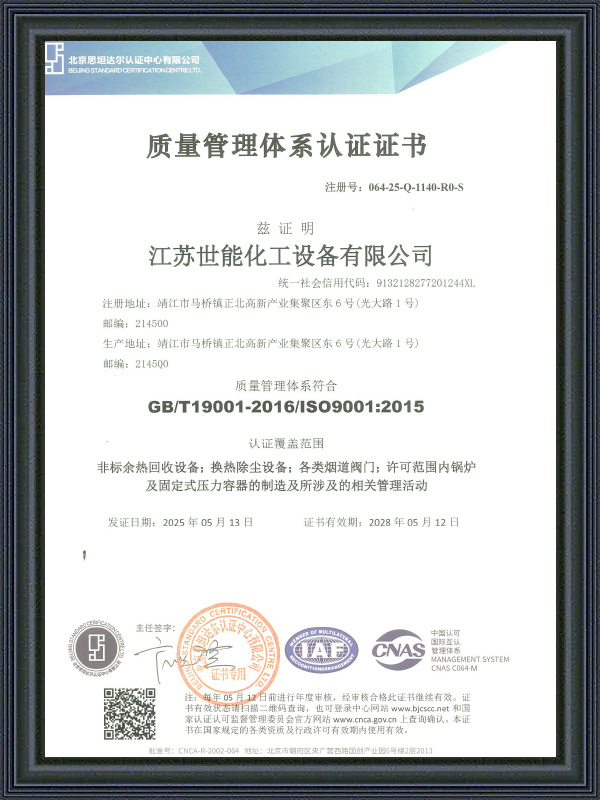
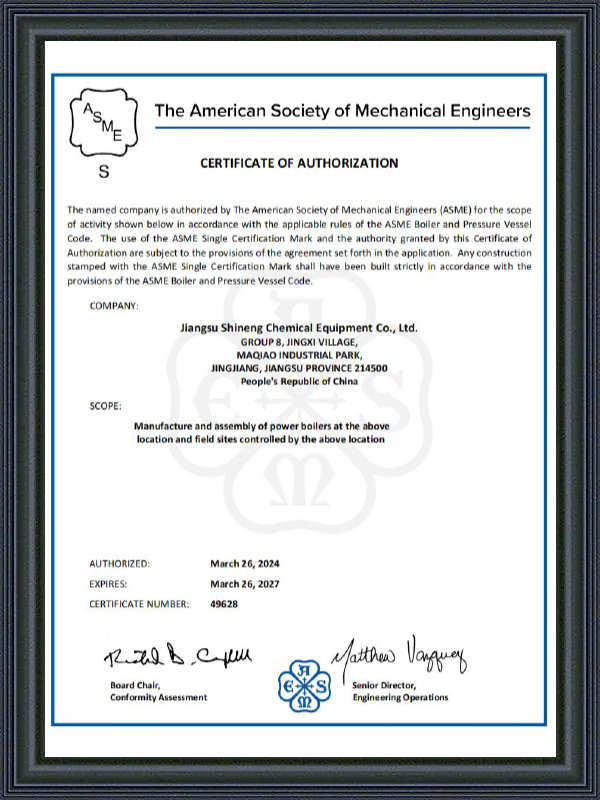
Global references: Exported to Southeast Asia, Middle East, Africa, and South America. All units ASME, GB, or PED certified.
Jiangsu Shineng's China air preheater systems are designed for minimal maintenance and maximum uptime. Our tubular preheaters feature helically finned tubes that increase heat transfer surface by 300-500% while resisting soot accumulation. On-site performance tests consistently show flue gas outlet temperatures within ±8°C of design values.
7. Frequently Asked Questions about Air Preheaters in Boilers
Q1: What is the typical flue gas exit temperature with an air preheater?
For a properly designed air preheater boiler system, flue gas exit temperature ranges from 120°C to 160°C for coal-fired boilers (to avoid acid dew point corrosion) and 90-120°C for natural gas-fired units. Without an air preheater, exit temperatures are typically 250-350°C, representing significant wasted energy.
Q2: How often does an air preheater need cleaning?
Maintenance intervals depend on fuel type. For natural gas, cleaning may be required every 2-3 years. For coal or biomass (higher ash content), soot blowing systems are recommended weekly or daily. Jiangsu Shineng as a boiler air preheater manufacturer provides integrated soot blowers (steam or compressed air) that keep heat transfer surfaces clean, extending operating periods between manual inspections.
Q3: Can an air preheater be retrofitted to an existing boiler?
Yes. Retrofitting an air pre heater in boiler to an existing system is a common energy-saving upgrade. Jiangsu Shineng performs site assessments, flue gas analysis, and structural integration engineering. Typical retrofit installation takes 2-4 weeks during a scheduled boiler outage. The payback period for most industrial boilers is 12 to 24 months, making it one of the most cost-effective energy efficiency measures available.


 English
  русский
 Español