English

News
Home / News / Industry News / Boiler Preventative Maintenance: Industrial Guide for Reliable, Safe Operation

+86-13961025664
Content
At 2:47 a.m., the night shift supervisor in a metallurgy plant gets an alarm: the waste heat boiler has tripped on low water. The crew resets the burner, refills the drum, and tries to restart, but the unit will not hold pressure. A boiler that had been running with a gradually rising flue gas temperature and a creeping stack loss for three months now needs a major repair. The production manager calculates the cost of a 40-hour shutdown: lost output, overtime labor, and rushed spare parts. What makes this story frustrating is that every symptom was visible for weeks. The rising gas temperature, the higher fuel consumption per ton of steam, and the intermittent low-water alarms were all early warnings that a boiler preventative maintenance program would have caught.
Boiler preventative maintenance is not a generic checklist exercise. For industrial facilities in metallurgy, coal chemical, power, and ammonia synthesis, a boiler or waste heat boiler is a critical production asset. Unplanned downtime in these industries is measured in tens of thousands of dollars per day. This article explains what a complete boiler preventative maintenance program looks like, which components need the most attention, and how to build a schedule that keeps your plant running safely and efficiently.
Here is the conclusion up front: a structured boiler preventative maintenance program is the most cost-effective investment an industrial plant can make in its steam system. It protects people, prevents expensive downtime, and keeps fuel consumption under control. Boilers operate under pressure, at temperature, with flammable fuel and an open flame. The combination of those factors means that failures are not just inconvenient; they can be dangerous. A boiler explosion, a dry firing event, or a flue gas leak into the work area can cause injuries, production interruptions, and regulatory penalties that far exceed the cost of any maintenance schedule.
Several measurable effects explain why plant leaders treat maintenance as a core operating function. First, forced outages are the most visible cost. Even a short shutdown in a metallurgy or coal chemical plant disrupts the downstream process, and restarting a heavy boiler system takes hours on top of the repair itself. Second, fuel is the largest single operating expense in a steam plant. When heat transfer surfaces are clean and combustion is correctly tuned, the boiler converts fuel to steam at its design efficiency. Third, the equipment itself is a major capital asset. Replacing a large industrial boiler is a multi-year project, and every year of service life that maintenance adds is a direct financial benefit. Finally, there is compliance. Insurance policies and process safety audits increasingly require documented evidence that pressure vessels have been inspected, safety devices tested, and maintenance performed by qualified personnel. In short, the question is not whether you can afford a maintenance program, but what an unmaintained boiler will cost before the next inspection cycle ends.
The value of a maintenance program is best seen in operating numbers. Downtime, repair expense, fuel use, equipment life, and safety incidents are the five metrics that matter most to boiler owners. The bar chart below summarizes the improvement ranges commonly reported by plants that shift from reactive repairs to a scheduled prevention program. Treat these figures as directional benchmarks rather than performance guarantees, because site conditions, fuel type, and operating discipline all influence the actual results. Your own trend data will become more meaningful after a few complete maintenance cycles.
The largest impact appears in unplanned downtime, with active programs typically reporting around 45 percent fewer forced outages. This is consistent with the failure pattern of boilers: most breakdowns are preceded by measurable degradation such as scale build-up, soot accumulation, or control drift. Repair cost reduction follows the same logic, because catching a worn valve or a corroded tube early costs far less than replacing a damaged drum. Fuel savings of 10 to 15 percent sound modest, but for a 10-ton-per-hour steam boiler operating year-round, that equals a meaningful annual fuel bill. The equipment service life figure is often underestimated by plant managers who focus only on the current year budget. A boiler that would have been retired after 20 years frequently reaches 25 years or more with disciplined water treatment and combustion tuning. Safety incident reduction is the most important line, even though it rarely appears in a maintenance budget. Safety valves, low-water cutoffs, and flame safeguards are exactly the components that fail silently when they are not exercised and tested. Taken together, these five effects explain why insurance carriers and code authorities increasingly ask for documented maintenance records. From an accounting perspective, the return on a maintenance program is typically several times its annual cost. The same data also show that the worst failures happen in plants that call for service only after something has already failed. In short, prevention does not merely postpone a breakdown; it changes the entire failure profile of the plant.
Different boiler designs require different maintenance emphasis. The two classic categories are fire-tube and water-tube boilers. In a fire-tube boiler, hot flue gas passes through tubes that are surrounded by water. In a water-tube boiler, water circulates through tubes that are heated from outside by the furnace gas. Industrial plants also use electric boilers for small loads and waste heat boilers, which extract energy from process gas instead of firing their own fuel. For the purpose of preventative maintenance, the key difference is the water volume and the heat transfer geometry. Fire-tube units have a large water inventory, which makes them forgiving for a short time but dangerous if a low-water condition develops. Water-tube units have a smaller water volume and respond quickly to changes in heat input, but their tubes are more sensitive to scale and local overheating. Electric boilers eliminate combustion risk but still require water treatment and control checks.
| Characteristic | Fire-tube boiler | Water-tube boiler |
|---|---|---|
| Heat transfer geometry | Flue gas inside tubes, water outside | Water inside tubes, flue gas outside |
| Typical pressure range | Up to about 17 bar (250 psi) | Designed for much higher pressures |
| Water inventory | Large; slower response to load swings | Smaller; faster response to load swings |
| Main scale risk | Scale on tube surfaces, sludge in the drum | Scale inside small-diameter tubes, rapid overheating |
| Main fireside risk | Soot accumulation, refractory damage | Erosion, thermal fatigue, ash fouling |
| Maintenance focus | Water level control, blowdown, burner | Feedwater quality, tube thickness, burner tuning |
Beyond the boiler type, a maintenance program must address the components that fail first. Six parts deserve special attention in every inspection. The steam drum is where water level, blowdown, and internal inspection meet; it is also where low-water protection starts. The tubes are the primary heat exchange surface and the part most vulnerable to scale, soot, erosion, and thinning. The economizer sits in the flue gas exhaust path and suffers acid dew point corrosion when cold feedwater meets acid-bearing gas. The air preheater heats combustion air and is prone to cold-end plugging and corrosion. The burner and fuel train determine combustion quality; nozzle condition, fuel pressure, and valve tightness all matter. Finally, safety valves and limit controls are the last line of defense and must be exercised, not just inspected.
Water level control, blowdown, internal inspection points, and low-water cutoff mounting.
Primary heat exchange surface; vulnerable to scale, soot, erosion, and thickness loss.
Cold-end component most exposed to acid dew point corrosion and thermal shock.
Often the first location where plugging, fouling, and cold-end corrosion appear.
Nozzle or atomizer, electrodes, flame rod, fuel valves, and dampers control combustion quality.
Safety valves, low-water cutoffs, and flame safeguards must be tested regularly.
Understanding how your boiler type and service conditions affect failure patterns is the first step in writing a maintenance plan that targets real risks. A package boiler in a food plant and a waste heat boiler in a steel mill will have completely different maintenance calendars, even if both produce the same steam pressure. That is why the rest of this guide separates general boiler care from the specific demands of industrial waste heat equipment.
Every effective boiler preventative maintenance program rests on five technical pillars. If any one of them is weak, the others cannot compensate. Industrial boiler engineers use this framework to design site-specific programs, and the same logic applies whether you operate a small steam generator or a large waste heat recovery system.
Water is both the working fluid and the corrosive agent. Untreated or improperly treated water causes scale, which insulates heat transfer surfaces and leads to tube overheating. It also causes oxygen pitting and corrosion in the drum, headers, and piping. The key parameters to monitor are hardness, pH, dissolved oxygen, total dissolved solids, and alkalinity. A competent water treatment program includes regular sampling, chemical dosing, proper deaerator operation, and maximum condensate return. The feedwater chemistry limits set by the boiler manufacturer and the applicable pressure vessel code should be written into the operating manual and checked against every lab report.
Blowdown is the controlled removal of water from the boiler to control dissolved solids and sludge. Bottom blowdown removes suspended solids that settle in the mud drum. Surface blowdown, also called continuous blowdown, controls the concentration of dissolved solids in the steam drum. Over-blowdown wastes energy and chemical treatment; under-blowdown allows scale and foam to build up. The correct frequency depends on water quality, evaporation rate, and feedwater treatment. Many plants use automatic blowdown systems backed up by a manual blowdown schedule.
The burner is the heart of the boiler's energy input. A poorly tuned burner wastes fuel, increases emissions, and produces soot that fouls the fireside surfaces. Maintenance includes cleaning nozzles or atomizers, inspecting ignition electrodes, verifying fuel pressure, testing linkage and damper drives, and confirming the flame safeguard timing. Periodic flue gas analysis measuring oxygen, carbon monoxide, and stack temperature is the standard way to guide burner adjustment. Combustion tuning should be repeated after any change in fuel supply, after major burner repairs, and at least once per year.
Heat transfer surfaces accumulate deposits on the fireside and the waterside. Fireside deposits include soot, ash, slag, and dust; waterside deposits include scale and sludge. Both act as insulation, forcing the boiler to burn more fuel to deliver the same steam output. Cleaning methods include soot blowing with steam or compressed air, mechanical brushing, water washing, and chemical cleaning for waterside scale. The critical management point is tracking the cleaning schedule and the measured effectiveness of each cleaning, usually expressed as flue gas temperature drop or fuel consumption change.
Safety valves must be tested to pop at their set pressure, because a sticking safety valve is no protection at all. Low-water fuel cutoffs and low-water alarms must be tested with an actual water level drop, not just by pressing a test button. Flame safeguard systems must be checked by simulating flame failure and observing the fuel shutoff sequence. Pressure and temperature gauges, transmitters, and limit switches should be calibrated against known references. These tasks are not optional; they are the difference between a boiler that stops safely and one that stops catastrophically.
A practical checklist assigns each task to a frequency and to a specific role. The table below consolidates the tasks most commonly found in industrial boiler preventative maintenance programs. Frequencies should be adjusted based on manufacturer recommendations, operating hours, fuel type, water quality, and inspection findings. A plant burning heavy fuel oil in a dusty environment will need more frequent fireside cleaning than one burning natural gas.
| Frequency | Task | Purpose |
|---|---|---|
| Daily | Check water level gauge and gauge glass clarity | Ensure accurate water level reading |
| Daily | Inspect for leaks, unusual noise, and vibration | Catch early mechanical failures |
| Daily | Review burner flame appearance and log fuel use | Detect combustion drift early |
| Daily | Blow down water column and gauge glass | Prevent false water level readings |
| Weekly | Test low-water fuel cutoff and low-water alarm | Prevent dry firing and explosion risk |
| Weekly | Inspect refractory, gaskets, and door seals | Prevent heat loss and air leakage |
| Monthly | Clean fireside surfaces or operate soot blowers | Maintain heat transfer efficiency |
| Monthly | Test safety and shutdown valves | Verify safeties function on demand |
| Monthly | Sample and test boiler water | Adjust chemical treatment and blowdown |
| Monthly | Inspect flue gas vent system for blockage or leakage | Maintain proper draft and avoid CO risk |
| Quarterly | Recalibrate operating and limit controls | Keep temperature and pressure setpoints accurate |
| Quarterly | Inspect burner components and fuel train | Ensure clean and safe combustion |
| Quarterly | Check condensate return and feedwater piping | Prevent water loss and corrosion |
| Annual | Perform internal inspection of waterside and fireside | Assess tube condition and deposit thickness |
| Annual | Conduct hydrostatic test for leaks | Verify pressure boundary integrity |
| Annual | Tune burner and analyze flue gas | Optimize efficiency and reduce emissions |
| Annual | Open manways and handholes, inspect and replace gaskets | Check internal surfaces and restore seals |
A written checklist is only useful when it is followed consistently. Assign each task to a named person, record the results in a logbook or computerized maintenance management system, and report exceptions on the same day they are found. The most effective plants treat the checklist as a living document. If the same problem appears repeatedly, the frequency of that task is raised until the problem is controlled. If a task never finds anything after several cycles, its frequency can be safely reduced, but only with documented evidence to support the change.
Thermal efficiency is the clearest single indicator of boiler health that an operator can track from the control room. Flue gas temperature, oxygen content, and steam flow together tell a story about the fireside and waterside condition of the unit. A useful way to visualize the value of maintenance is to plot boiler thermal efficiency over a 24-month operating window. The line chart below compares two otherwise identical boilers: one on a disciplined preventative maintenance program, and one serviced only after faults appear. The curves reflect the typical degradation patterns observed in industrial operation, where soot, scale, and control drift slowly compound over time.
The boiler on the maintenance program holds its efficiency near 82 percent across the full two-year window. Minor dips appear at roughly the same time each year, corresponding to periods of high load or seasonal changes in feedwater temperature. The recovery after each scheduled cleaning is visible in the slightly upward slope that follows every service interval. The unmaintained boiler, by contrast, loses efficiency in a steadily accelerating curve. After six months the gap is only about half a percentage point, easy to ignore in daily operations. After twelve months the gap exceeds two points, which already translates into noticeable fuel consumption growth. At the end of the second year, the unmaintained boiler operates near 74 percent, almost eight points below its maintained counterpart. In fuel terms, that is roughly 10 to 12 percent more fuel burned for the same steam output. The additional fuel also means higher flue gas temperatures, which accelerate creep and corrosion in the heat exchange surfaces. By the time the efficiency loss shows up clearly in fuel bills, the internal damage has often progressed to a point where tube replacement is needed. This is why efficiency monitoring is a true maintenance tool, not just a cost-accounting metric. It gives the operator an early warning that is much cheaper to act on than a tube leak test or an internal inspection.
Industrial waste heat boilers operate under conditions that conventional package boilers never face: high dust loads, fluctuating gas temperatures, acid-bearing flue gas, and process upsets that change the gas composition. A metallurgical waste heat boiler, for example, can receive gas from an oxygen-blown converter that swings between 300 degrees Celsius and 900 degrees Celsius within minutes. A coke oven flue gas waste heat boiler deals with combustion products that contain sulfur compounds, particulates, and moisture from the coking process. Sinter cooler boilers handle hot air that carries fine iron ore dust. These conditions change the maintenance priorities in important ways.
Fouling and erosion are the first concerns. Ash and dust deposit on tube banks, raising flue gas pressure drop and reducing heat transfer. At the same time, high-velocity particulate-laden gas erodes the leading edges of tubes and fins. Soot blowers must be kept in working order, access doors must be opened and inspected on schedule, and tube wall thickness should be measured with ultrasonic equipment every year. Acid dew point corrosion is the second major concern. When the flue gas outlet temperature drops below the acid dew point, sulfuric acid condenses on cold-end surfaces and attacks carbon steel rapidly. The boiler should be operated so that the gas exit temperature stays safely above the calculated dew point, and the cold-end rows should be inspected for pitting and thinning on every annual outage.
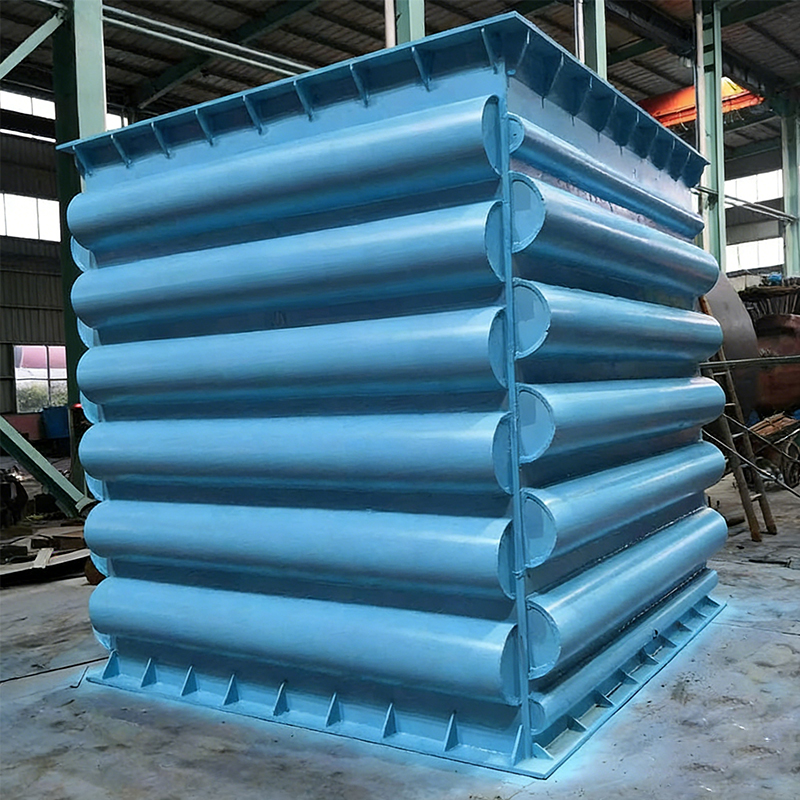
The economizer is usually the first component to suffer in this environment. It sits at the coldest end of the flue gas path, where incoming feedwater cools the gas below the acid condensation threshold. In high-sulfur services, fin material and fin geometry determine how long an economizer survives. Nickel-based brazed fin tubes resist acid corrosion far better than conventional carbon steel fins, which is why many plants choose this design during replacement. Selecting an upgraded economizer is usually cheaper than the cumulative cost of repeated repairs, tube plugs, and lost production on a failing unit.
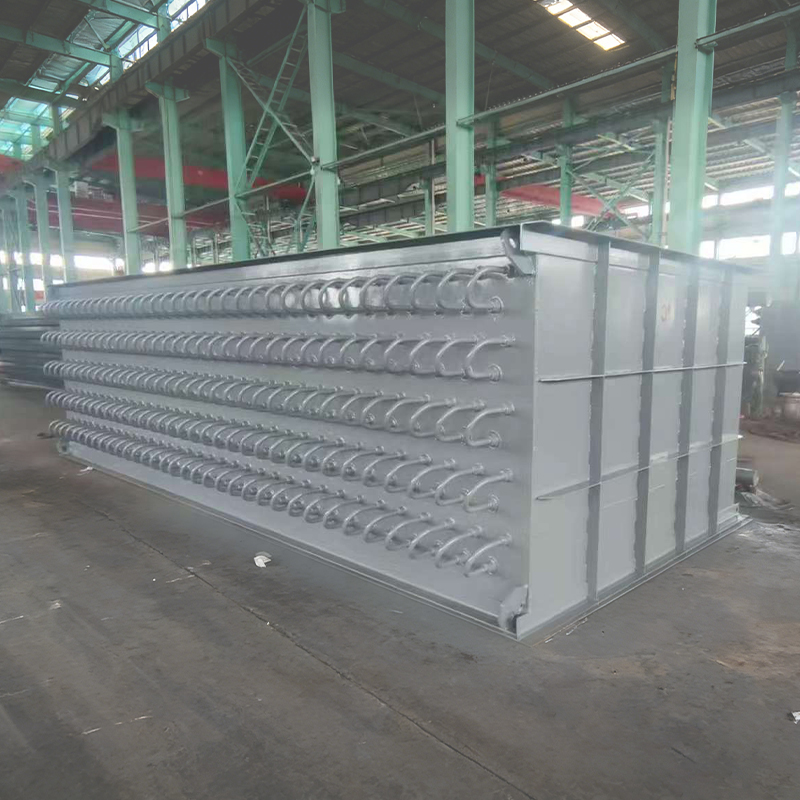 Nickel-based Brazed Economizer for High-Sulfur Flue GasNickel-brazed fins resist acid dew point corrosion far better than carbon steel, extending economizer lifespan and reducing repair costs in harsh boiler environments.View Product →
The air preheater faces a similar exposure on the combustion air side. Cold-end baskets plug with dust and ammonium bisulfate deposits in some services, and the air side can leak into the gas side when seals wear. Maintenance includes gas-side and air-side cleaning, seal inspection, and monitoring of air outlet temperature and flue gas pressure drop. If the air preheater underperforms, the burner receives colder air, combustion efficiency drops, and the boiler compensates by firing more fuel.
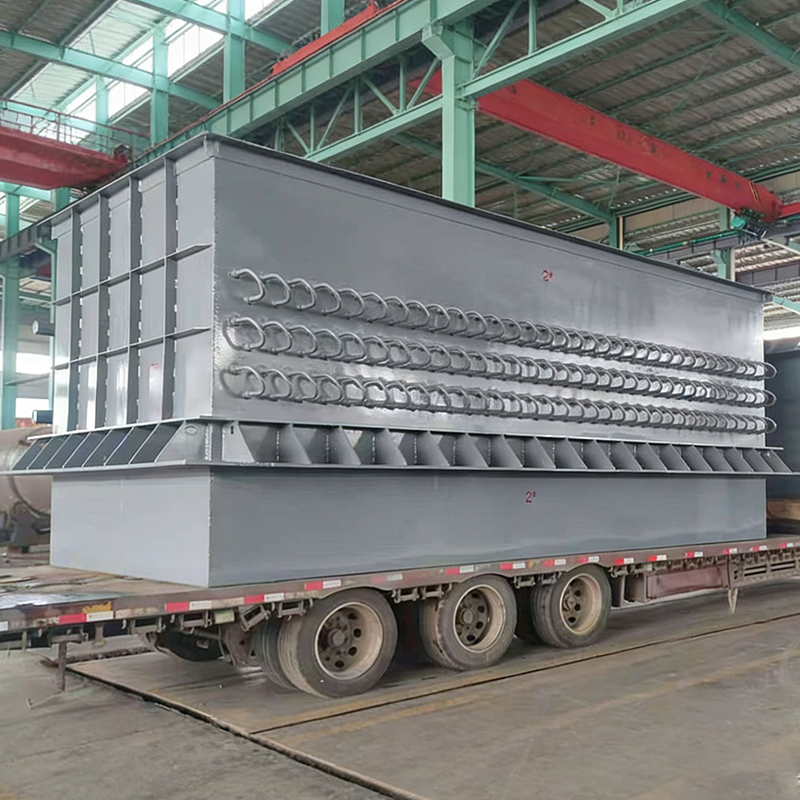
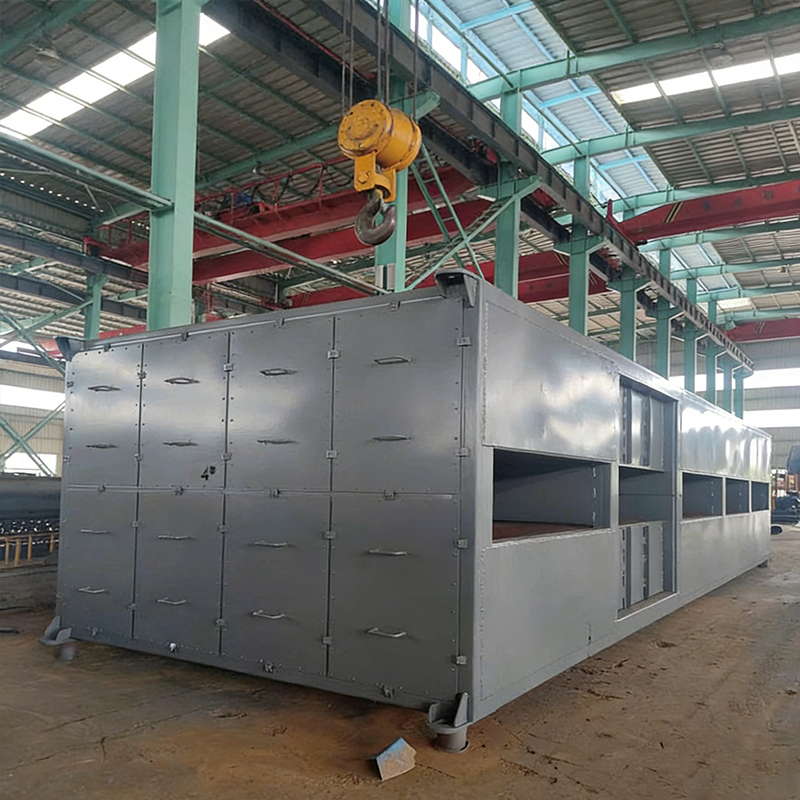 Air Preheater for Boiler Efficiency GainPreheats combustion air to improve boiler efficiency and combustion stability, but requires regular cleaning and seal monitoring to maintain performance.View Product →
For waste heat boilers tied to a continuous upstream process, maintenance windows must be synchronized with the process. A coke oven flue gas waste heat boiler can often only be inspected during a scheduled furnace shutdown, which means the inspection checklist has to be completed in a limited number of hours. The team should prepare replacement gaskets, spare finned tubes, and repair materials in advance so that the outage is not extended by waiting for parts. Internal photographs, thickness readings, and deposit samples should be taken during every shutdown to build a trend record. When process gas composition changes, such as a switch to higher-sulfur coal or a new production rate, the maintenance plan should be reviewed accordingly.
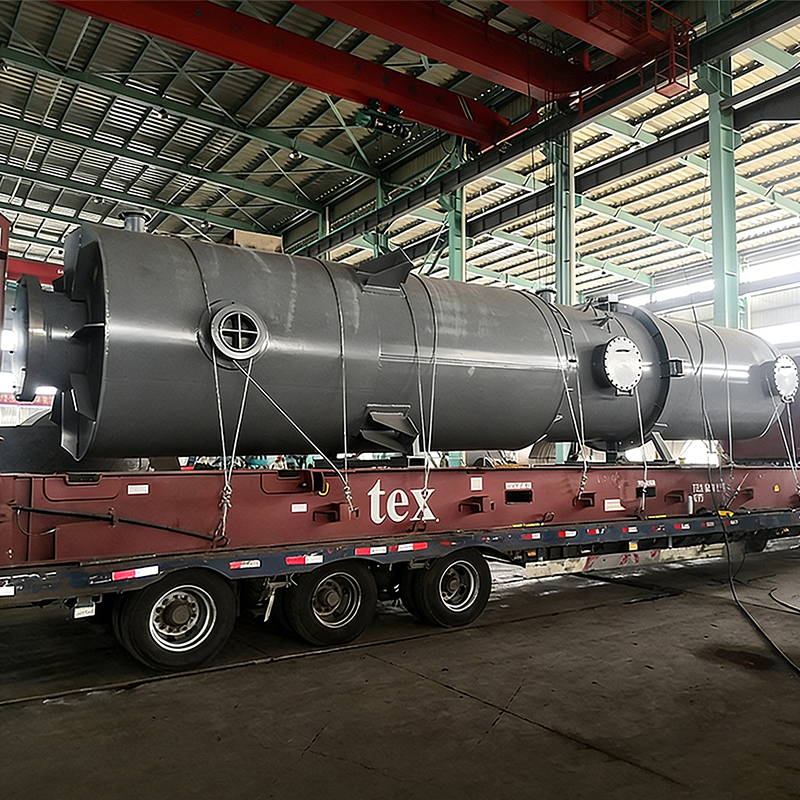
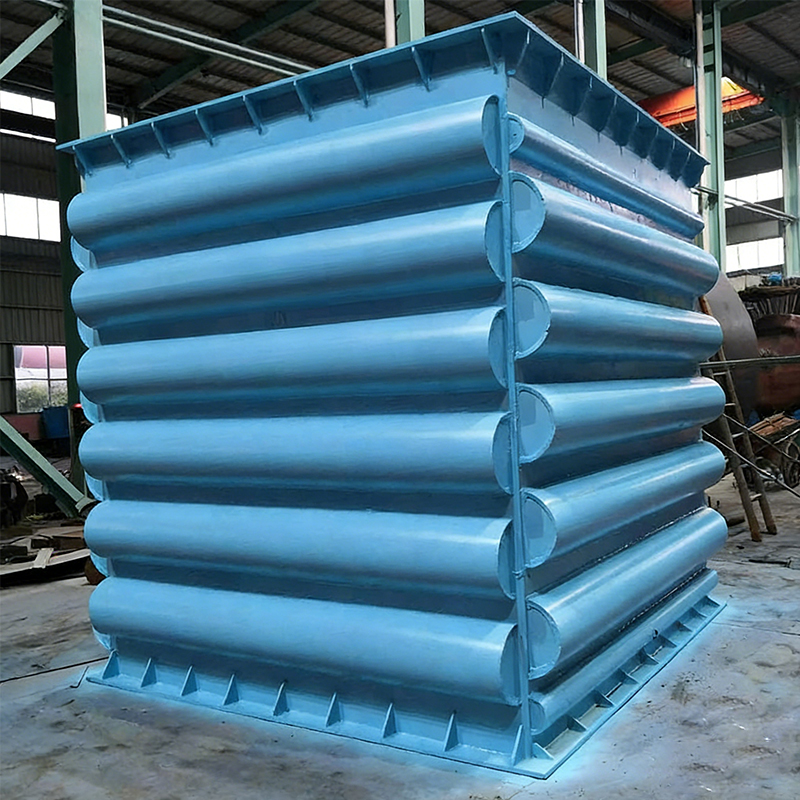 Coke Oven Flue Gas Waste Heat BoilerDesigned for synchronized maintenance with furnace shutdowns; recovers waste heat to generate steam while reducing flue gas temperature to 140-160°C.View Product →
A manufacturer with ASME boiler and pressure vessel design certification and deep experience in high-temperature, high-dust, high-corrosion environments can provide valuable guidance on which sections to inspect first and what replacement materials to specify. Jiangsu Shineng Chemical Equipment Co., Ltd., for example, designs waste heat recovery equipment for metallurgy, power, coal chemical, and synthetic ammonia plants, and its field experience informs the inspection priorities it recommends to customers. The same logic applies to any plant: when in doubt, ask the original equipment manufacturer or an experienced industrial heat recovery equipment maker before you change the maintenance schedule. For a broader view of the savings opportunity, you can review how metallurgy waste heat boilers help plants reduce energy consumption.
A boiler preventative maintenance plan becomes sustainable only when it is supported by documentation, key performance indicators, and access to expert support. Documentation starts with a simple logbook or a computerized maintenance management system. Every water test, blowdown, burner adjustment, inspection finding, and repair should be recorded with a date and the name of the person who performed it. Photographs of fireside surfaces before and after cleaning are especially valuable because they create a visual history of deposit formation. The logbook also documents compliance for insurance surveys and code inspections, which reduces the risk of penalties and forced shutdowns.
Key performance indicators turn raw data into decisions. The most useful metrics for boiler maintenance are the number of forced outages per year, mean time between failures, specific fuel consumption expressed in megajoules per ton of steam or similar units, water quality test pass rate, and the success rate of safety valve and low-water cutoff tests. When a metric moves in the wrong direction, the maintenance plan should be reviewed. For example, a rising specific fuel consumption trend is an early signal of fouling or combustion drift; a failing water quality test indicates a treatment problem that will soon become a scale problem.
Operator training is another pillar of a sustainable plan. Boiler operators must know what normal operation looks and sounds like. They should be able to identify a distorted flame, a noisy feedwater pump, a leaking manway gasket, and a gauge that reads strangely. Shutdown and startup procedures are critical moments for thermal stress, and operators must follow them carefully. Many plants hold a short toolbox talk before each annual outage so that everyone understands the inspection and repair scope.
Finally, use the knowledge of the equipment manufacturer. The original equipment manufacturer, or a specialized supplier with relevant certification, knows the design margins and the failure modes that can appear after years of service. A supplier with ASME boiler and pressure vessel design certification, for example, can advise on weld inspection points, allowable tube thinning values, and the right replacement material for a specific gas chemistry. When a plant is upgrading an old economizer, air preheater, or waste heat boiler, involving the manufacturer early in the planning phase avoids mismatched connections and missed opportunities for performance improvement. This is exactly the type of situation where quality-conscious manufacturing and safety testing become visible in the reliability of your own plant. You can read more about how a quality-first manufacturing approach supports equipment safety.
Most boiler failures follow a pattern: a small, observable degradation that nobody recorded, followed by a larger failure that everybody remembers. The table below lists the most common maintenance oversights in industrial boiler plants, their consequences, and the correct practice. Reviewing this list with operators and maintenance staff once a year is a simple and effective way to refresh good habits.
| Oversight | Consequence | Correct practice |
|---|---|---|
| Skipping the daily water gauge check | Water level drops unnoticed; dry firing risk | Check the gauge glass every shift |
| Delaying bottom blowdown | Sludge concentrates below the water line; scale forms | Follow the blowdown schedule without shortcuts |
| Ignoring small steam leaks | Water loss, makeup water increases, seat damage | Repair small leaks at the first opportunity |
| Neglecting the stack temperature trend | Soot and scale build-up goes undiscovered | Log stack temperature and act on any rise |
| Not testing the low-water cutoff weekly | The cutoff may fail exactly when it is needed | Test with an actual water level drop every week |
| Using untreated makeup water | Scale in tubes, oxygen pitting, rapid tube failure | Treat and analyze all makeup water |
| Delaying the safety valve pop test | The valve may stick shut under overpressure | Test safety valves annually at minimum |
| Canceling the annual internal inspection | Hidden thinning and cracking are missed | Keep the inspection date fixed all year |
The pattern is consistent across industries: the most expensive failures in boilers are preceded by small, observable degradations that staff members did not record or did not act on. In one common case, a plant noticed a slightly higher stack temperature for three months but did not schedule a cleaning. The resulting fire-side slag accumulation caused the tube metal temperature to rise, which led to a tube rupture and a 400,000 dollar repair. In another case, an operator heard a feedwater pump cycling more frequently than normal, but he assumed it was normal variation. The pump had a worn check valve, and the resulting water hammer cracked the economizer header. These are not unusual stories; they are the standard failure narrative in industrial boiler plants.
Choosing the right equipment and the right maintenance partner is as important as the checklist itself. The articles below were written for plant managers and engineering teams who want to reduce energy consumption and improve the reliability of industrial heat recovery systems.
Boiler preventative maintenance is not an expense to be minimized; it is a production capability to be managed. The plants that treat maintenance as a strategic function enjoy lower fuel consumption, fewer forced outages, longer equipment life, and safer working conditions. The path is straightforward: establish a baseline of your equipment condition, build a checklist that fits your actual operating conditions, assign responsibility for every task, and review the data every month. If you operate a waste heat recovery system or a chemical process boiler under demanding conditions, work with a supplier that understands the specific failure modes of your equipment. Regular, honest, and documented maintenance is the most direct route to a boiler that starts when you need it and keeps running until you intentionally shut it down.
We will help you move towards success.

Maqiao North High tech Industrial Agglomeration Zone, Jingjiang City, Taizhou City, Jiangsu Province

+86-18752676699 / +86-13961025664
 Previous